
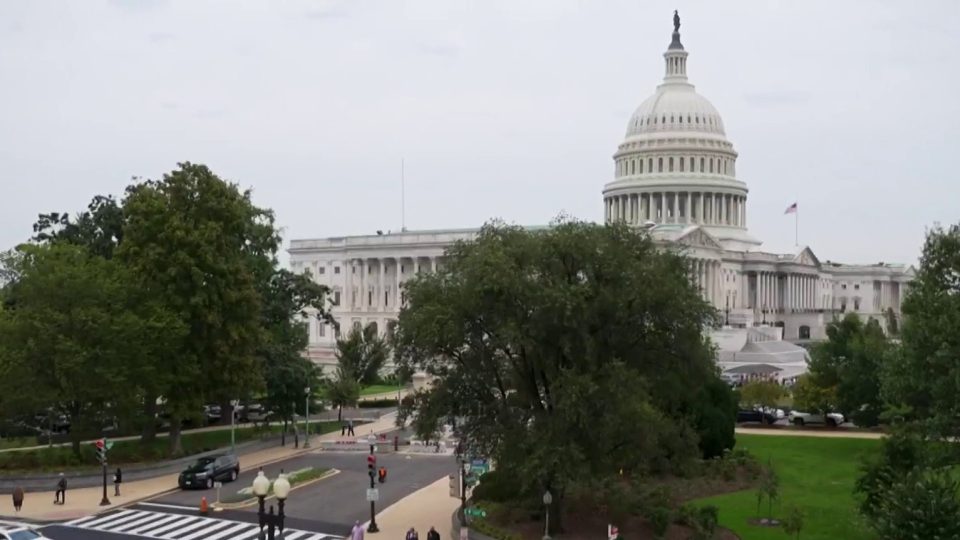
The U.S. government shutdown that began on October 1st is already creating noticeable disruptions across the country’s travel industry. The U.S. Travel Association estimates that this standstill could be costing the nation roughly $1 billion each week as the effects ripple through airports, national parks, and tourism-dependent businesses. Travelers should prepare themselves for longer wait times, flight delays, cancellations, and limited access to key destinations while the shutdown continues.
Nearly 40% of the federal workforce is either furloughed or working without pay during this period. Among those affected are employees essential to travel operations, specifically at the Transportation Security Administration (TSA) and within air traffic control systems. Despite being deemed critical and required to report to work, these employees face the strain of unpaid labor. Historically, such conditions lead to higher absenteeism, disrupting service levels. During the last extended government shutdown of 2018-2019, increased sick calls among TSA agents and air traffic controllers caused long security lines and flight delays that irritated travelers and imposed higher operational costs on airlines and airports.
Airports maintain operations during the shutdown, with the understanding that essential personnel, such as over 13,000 air traffic controllers and roughly 61,000 TSA employees, continue working without immediate compensation. However, this arrangement is fragile. If the shutdown drags on, the risk of staff shortages mounting due to financial pressures could worsen. Air traffic controller hiring and training are halted, which compounds existing shortages as the country is already short more than 2,800 controllers nationwide. Restarting these processes once funding is restored will add further delay.
Passenger experiences at airports are expected to be increasingly challenging. With fewer personnel available due to absenteeism, travelers are likely to face longer lines at TSA checkpoints and may encounter more frequent flight disruptions. The Port Authority of New York and New Jersey, managing major airports such as Newark Liberty and JFK, has warned that the shutdown’s stress on federal employees could lead to severe operational challenges and delays similar to those seen during the 2018-2019 shutdown.
Beyond airports, tourist destinations reliant on federal staffing feel the impact. National parks, iconic American landmarks, and museums may face closures or limited services because non-essential federal employees are furloughed. Popular parks like the Grand Canyon have already raised concerns about sustainability if the shutdown continues. This not only inconveniences travelers but also threatens the steady flow of tourism revenue that supports local economies.
The travel industry’s economic fallout extends beyond immediate disruptions. The U.S. Travel Association warns that every canceled business trip and leisure travel plan has lasting effects, leading to permanently lost revenue for travel-related companies and decreased employment opportunities in the sector. With travel plans being canceled or deferred by millions of Americans, the broader economy feels the pinch as well.
The pattern of challenges from this shutdown echoes the longest government shutdown in U.S. history which lasted 35 days during the Trump administration in 2018-2019. During that period, the halted training of new air traffic controllers and flights attendant absences created notable hazards and delays that took time to resolve. Lessons from that time suggest prompt resolution is vital to prevent more severe disruptions to travel and economic activity from persisting.
