
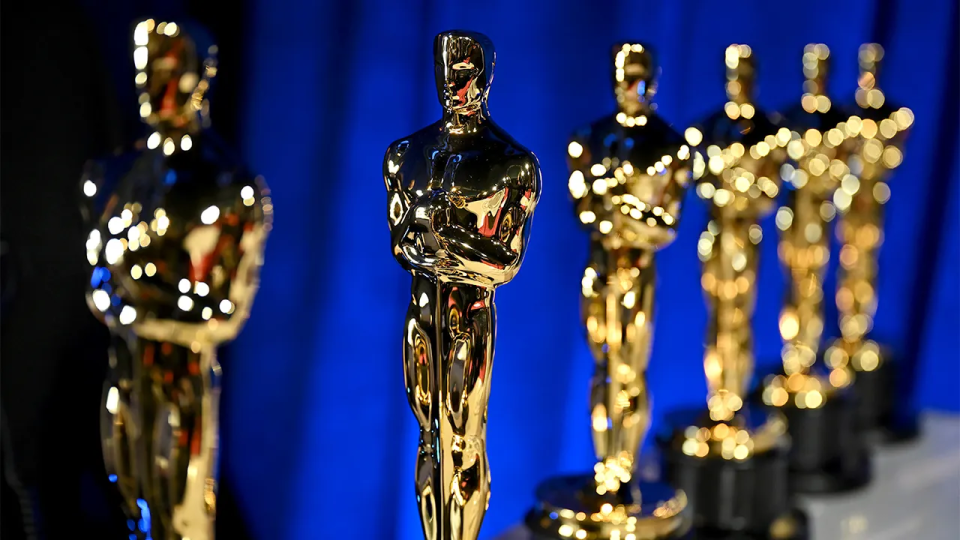
The Academy of Motion Picture Arts and Sciences has done something that would have sounded far fetched not long ago. In 2029, the Oscars telecast will leave its long-time broadcast home on ABC and become an exclusive global live event on YouTube, under a multi year deal that runs through 2033. For the entertainment business, that is more than a change of channel. It is a clear signal that the center of gravity for big live spectacles is moving from traditional television to streaming platforms.
For decades, the Oscars lived at the heart of broadcast culture. ABC has carried the ceremony since 1976 under a succession of long-term agreements, turning the show into a reliable fixture of the U.S. broadcast calendar. The event may have stumbled in the ratings in recent years, however it still sits in the top tier of non sports live programming each year, a category that has become critically important as scripted prime time audiences fragment across platforms. Moving this kind of show to a digital native platform is not a cosmetic shift, it changes how the business thinks about reach, advertising and global access.
This is not the first time a major event has existed both on television and online at the same moment. Over the past decade, broadcasters and leagues have used streaming as a parallel outlet, first as a kind of safety valve for cord cutters, then as a way to reach younger viewers who rarely sit in front of a cable or antenna feed. The Super Bowl has been simulcast on network television and streamed through services such as Peacock or Paramount Plus. The Olympics have run simultaneously on NBC channels and on Peacock. Political debates, World Cup matches and major concert specials have all followed the same pattern of being on TV and online at once.
In many cases, that simultaneous approach was a bridge from one era to another. Sports rights provide the clearest examples. The National Football League began by offering Thursday night games through both linear partners and its own digital partners, then sold exclusive digital rights to Amazon for Thursday Night Football, which moved to Prime Video in 2022 while leaving only local market simulcasts on traditional TV. Certain Premier League and domestic soccer rights in Europe have taken similar steps, with matches that once lived on broadcast or cable moving into subscription streaming services as their primary or only home. The pattern tends to follow the same arc, from television with no streaming, to television plus streaming, then to streaming first or streaming only.
Awards shows have experimented in softer ways. The Emmys and Grammys have made their shows available on network apps and live TV streaming bundles. Disney has aired some live musical productions on ABC while also making them accessible on its streaming platforms. Even the Oscars themselves have seen clips, red carpet coverage and backstage feeds live on platforms like YouTube for years, although the core show remained a traditional TV event. The move to make YouTube the exclusive global home for the full telecast carries that quiet experimentation to its logical extreme.
The business logic is straightforward enough. Advertisers want reach and reliable attention, however the classic broadcast audience is aging and shrinking. Younger viewers consume far more video through phones, connected TVs and apps, often in shorter segments and with layers of chat, reaction and social sharing around the main feed. YouTube controls a massive share of that daily viewing time worldwide. By taking the Oscars to YouTube, the Academy is betting that it can trade some of the familiarity of the ABC broadcast window for a chance to meet audiences where they already spend their evenings.
There is also a global angle that matters here. A broadcast deal with a U.S. network primarily solves distribution inside the U.S., then relies on a patchwork of separate deals for other territories. A platform like YouTube already reaches viewers in most countries with a uniform app and infrastructure. An exclusive global rights deal, at least in theory, simplifies that sprawl. It could widen the practical audience for the live show outside the U.S., especially in regions where viewers know the Oscars mainly through clips and social chatter that appear after the fact rather than through a live telecast.
Culturally, this is another step away from the idea that there is a single national living room, gathered around a few big channels. When the Oscars were only on ABC, watching them was partly an act of participating in a shared television ritual. As events migrate to streaming, that communal feeling does not disappear, however it expresses itself differently. Viewers comment in real time on social media, they watch through creator reactions or live commentary streams, and they often drop in and out instead of staying parked on the couch for the full show. The Oscars moving to YouTube fits that fragmented, interactive way of watching.
For broadcasters, the symbolic sting is obvious. Losing the Oscars to a platform that started as a place for user generated clips underlines how much the hierarchy of video has inverted over the past two decades. For streamers, the move is another proof point that live events, once seen as the last defense of traditional TV, are increasingly part of the streaming playbook. The industry has already watched similar transitions in sports, news and niche events. Now, one of Hollywood’s most carefully produced nights is crossing that same bridge, from television only, to television and streaming, and finally to streaming alone.
