
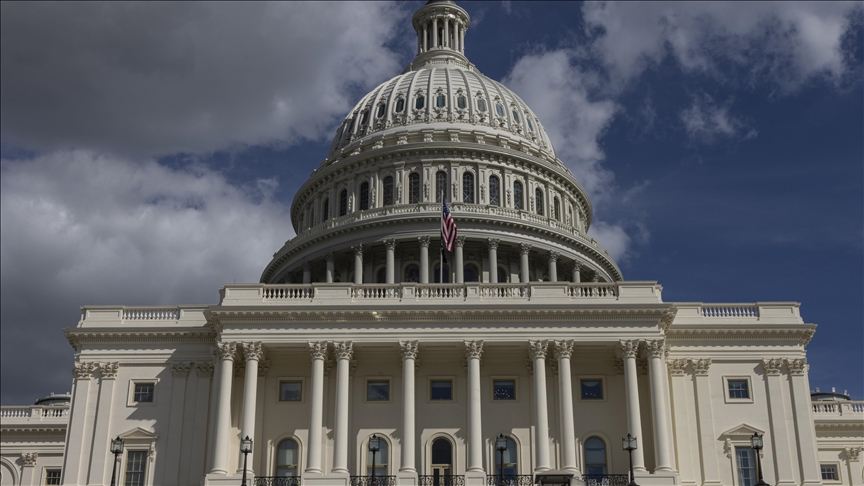
The U.S. Senate’s procedural vote Sunday night to fund the government through January 30, 2026, serves as a crucial milestone in addressing the longest federal shutdown in American history. This development reverberates beyond the halls of Capitol Hill, influencing investor sentiment and providing a measure of relief for federal employees caught in the turmoil. While the vote cleared an important legislative obstacle, the path ahead remains complex, with economic and political nuances that merit close attention.
Late on a Sunday evening, the Senate approved a procedural measure with a 60-40 tally that sets the stage for government funding restoration. This initiative would fund government operations and key programs, including Supplemental Nutrition Assistance Program (SNAP) benefits for millions, until the end of January next year. Notably, the agreement includes full funding for three appropriations bills that cover military construction, veterans’ affairs, and the Department of Agriculture through the fiscal year’s end on September 30, 2026. This pragmatic move offered a much-needed boost to markets that had been rattled by the ongoing shutdown and associated uncertainty.
Investor and market responses to the vote were cautiously optimistic. Stock futures rose on the news, reflecting relief that Congress had moved closer to resolving the shutdown. However, the vote also revealed significant partisan divisions, especially within the Democratic caucus, where some senators voted against the deal due to unresolved concerns about healthcare subsidy extensions. The agreement does not currently extend the Affordable Care Act premium tax credits, a critical issue for many Democrats, who view this omission as a setback for millions of Americans relying on these subsidies.
The political dynamics highlight the challenges in balancing immediate government funding needs with broader social and policy concerns. Senate Minority Leader Chuck Schumer expressed reservations, underscoring that the fight over healthcare funding would continue despite the procedural win. House Democrats, led by Minority Leader Hakeem Jeffries, have also signaled opposition to the House passage of the Senate measure without healthcare provisions. This ongoing contention suggests that while federal operations may resume soon, political negotiations are far from over.
For federal employees, many of whom faced furloughs or worked without pay during the shutdown, the agreement brings significant relief. The deal includes provisions to reverse any layoffs that occurred during the shutdown and protects against further workforce reductions through the end of the fiscal year. It also guarantees back pay for all federal workers affected during the shutdown period. This commitment offers a degree of financial stability for hundreds of thousands of workers and supports confidence in public sector employment amidst uncertainty.
From an economic perspective, ending the shutdown and restoring government operations reduces risks of prolonged disruption to federal services and public programs. The extension of SNAP funding is particularly important, as the shutdown had resulted in suspended food benefits for millions of Americans. Markets typically respond favorably to reduced fiscal risk and restored consumer confidence, which this legislative progress begins to address. However, the shadow of unresolved issues, such as healthcare subsidy renewals and future budget negotiations, tempers the market’s enthusiasm and signals that volatility may persist until a comprehensive agreement is secured.
Senator Tim Kaine of Virginia, a key Democrat who supported the deal, reflected on the compromise by emphasizing the importance of backing the federal workforce and securing future votes on healthcare. “I have consistently stated that to secure my vote, we must be on a trajectory towards addressing the Republican health care issues and safeguarding the federal workforce,” he remarked, highlighting the delicate balance lawmakers must maintain as they navigate competing priorities.
Looking ahead, the procedural vote marks an important, though preliminary, step. For the government shutdown to officially end, the House of Representatives must approve the funding bill, and the President must sign it into law. The commitment to vote on extending healthcare subsidies in December offers some hope of resolving this thorny issue, but the outcome remains uncertain. Meanwhile, federal employees and market participants alike are watching closely as the political process unfolds, knowing that the resolution of this shutdown will affect not only government functionality but also broader economic stability.
The Senate’s vote to finance government operations through January reflects a pragmatic acknowledgment that prolonged shutdowns carry steep costs. At the same time, it exposes fractures within parties and implicates complex policy issues that require ongoing negotiation. The emerging deal is a temporary fix that seeks to balance immediate stability with longer-term legislative battles, reminding observers that governance in the U.S. often involves navigating competing interests and incremental progress.
