
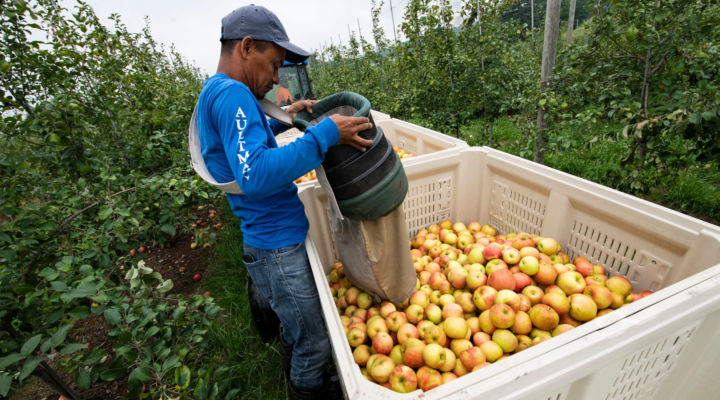
The U.S. Department of Agriculture (USDA) announced its plan to purchase up to $30 million in fresh fruit from American farmers and producers. This initiative is designed to distribute fresh fruit to food banks and nutrition assistance programs across the country. The announcement was made by U.S. Secretary of Agriculture Brooke L. Rollins and relies on the USDA’s authority under Section 32 of the Agriculture Act of 1935. The main goal behind this purchase is to support American agriculture and help communities facing food insecurity without wasting surplus crops.
Section 32 gives the USDA the ability to intervene in agricultural markets by buying products directly from farmers when surpluses occur, especially during challenging economic periods. The funds allocated, $15 million for fresh oranges, $10 million for grapefruit, and $5 million for mandarins, are intended to offset market imbalances while providing nutritious options for individuals relying on food assistance. This approach addresses two pressing concerns: preventing surplus crops from going unused and ensuring more Americans have access to healthier food choices through programs such as food banks and The Emergency Food Assistance Program.
This initiative reflects a broader effort by the current administration to revitalize the farming sector and rural America by easing financial pressures that farmers often face when exports falter or domestic demand falls short. The Secretary highlighted the importance of standing with farmers as the farm economy recovers after years of challenges. By focusing on fresh fruit, the USDA is targeting commodities that regularly face oversupply issues due to factors like weather conditions, trade disruptions, or shifting consumer habits.
From a food assistance perspective, this fresh fruit purchase arrives when many Americans continue to experience economic uncertainty and strained food resources. Food banks and nutrition programs are often limited by the types of food they can offer, much of what is typically available may lack fresh produce. By injecting fresh fruit into these channels, the USDA helps not only to fight hunger but also to improve diet quality for vulnerable populations. Providing nutritious food is critical for household health, particularly for children, seniors, and families in rural and urban areas suffering from food access limitations.
The practical steps of this purchase illustrate how government intervention in agriculture can be multidimensional. It supports farmers facing market challenges, prevents food waste, and strengthens the food security network that many rely on daily. This kind of targeted purchase under Section 32 also has the advantage of working relatively quickly to redirect surplus goods instead of waiting for regular market corrections. It is an example of how policy tools created decades ago remain relevant today in addressing contemporary issues.
While the total $30 million amount may seem modest relative to the overall scale of U.S. agriculture, its impact is significant, especially for smaller producers and local communities. Such purchases generate demand for fruit growers and harvesters, indirectly supporting jobs and economic activity in rural regions. At the same time, catching surplus before it contributes to price declines helps stabilize the market for growers at a critical moment in their business cycles.
Looking ahead, this move by the USDA signals that continuous adjustments through established mechanisms like Section 32 will likely be part of ongoing efforts to balance agricultural production and public need. The initiative also highlights the intersection of agricultural policy with public health and social welfare, a reminder that food policy goes far beyond farm economics, touching many lives throughout the food system.
This latest purchase plan exemplifies how targeted USDA actions can simultaneously support prosperity in farming and provide tangible benefits to communities struggling with hunger and inadequate nutrition. It serves as a practical bridge linking agricultural supply challenges to food assistance demands at a time when both issues are particularly relevant in the U.S.
