
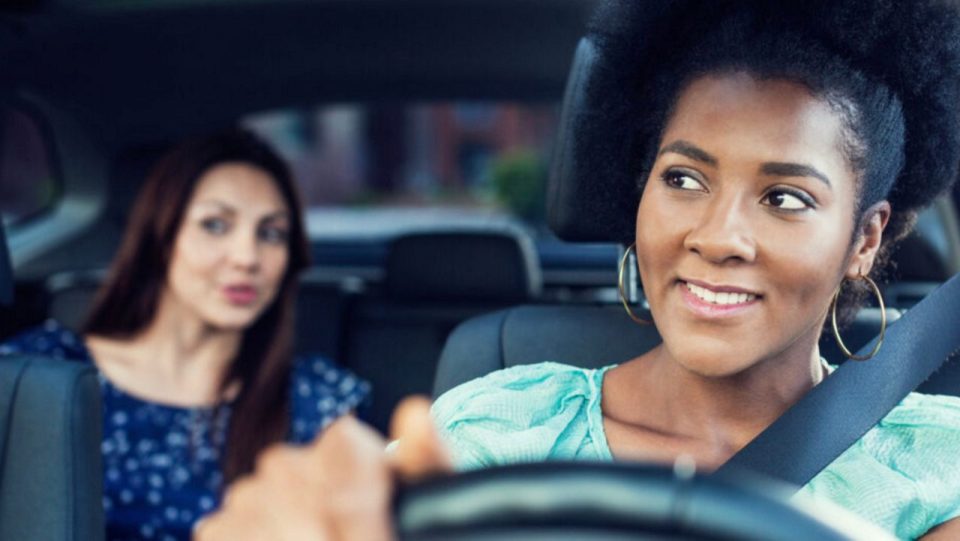
Uber (NYSE: UBER) is taking a fresh crack at its most persistent challenge: making rides feel safer for women, whether they are behind the wheel or riding in the back seat. This summer, the company is testing a new feature that lets female passengers ask for female drivers in a few U.S. cities. When you think about all the conversations you have had with friends about hailing rides at night or traveling solo, you probably understand why Uber’s move matters and why it is likely to spark even more debate about how tech companies should respond to real concerns from people who use their platforms.
Starting in Los Angeles, San Francisco, and Detroit, certain Uber users will notice a “Women Drivers” option the next time they open the app. With this option enabled, female riders can indicate their preference to be matched with a female driver for their trip. While the feature currently is not available in every city, Uber says it is listening to feedback with the hope of a much broader rollout in the future if the pilot succeeds.
Uber has not pulled this idea out of thin air. For years, both women drivers and women riders in the United States have asked for the ability to match with each other. An internal survey at Uber found that about three-quarters of women using the service would appreciate the option to ride with, or drive for, other women. Safety concerns often top the list of reasons, and the numbers bear it out. Between 2019 and 2020, Uber’s own safety report recorded 2,717 incidents in what it classified as the “most serious” categories of sexual assault and misconduct. At the same time, more than 2,300 sexual assault and harassment lawsuits are pending against the company, adding urgency to the need for responses that move beyond promises and PR statements.
The tech is not magic, and Uber is careful to note that matches are not always guaranteed. Still, by toggling the new preference, women can boost their chances of getting paired together. Riders can also use Uber Reserve to book in advance specifically with women drivers. On the other side, female drivers can choose to accept trip requests only from other women, which could mean more confidence during late night hours or in unfamiliar neighborhoods.
Before bringing this feature to the United States, Uber spent the last several years testing gender preference matching in countries including Saudi Arabia, where it started in 2019 as women gained the legal right to drive, as well as in France, Germany, Argentina, and more than three dozen other markets. Globally, Uber says over 100 million trips have already used some version of the tool.
There are business advantages baked into the design. As any regular user has noticed, the rideshare universe is still mostly male. Giving women more control could help attract and retain more female drivers, a segment Uber has long struggled to grow, while making the service more appealing for anyone who has hesitated to request a ride due to safety concerns. Meanwhile, issues around availability remain a reality. In some markets, there simply are not enough female drivers to fill the demand, so Uber allows riders to easily opt back to any available driver if wait times become excessive.
Uber is not the first company to wrestle with these questions. Rival Lyft introduced a similar feature last year, offering women and nonbinary riders and drivers the option to match with each other. The fact that multiple companies are moving in this direction suggests there is a level of pent-up demand that cannot be ignored.
After years of criticism over safety, this trial shows that Uber is responding with something concrete. Whether it catches on or fades out will come down to how many women choose to use it and how the company adjusts after feedback from real trips and experiences. If you are in one of the pilot cities, the new women-only feature is set to hit your app in August. Everyone else will have to wait, but if history is any guide, you will likely see more of these options, both from Uber and its competitors in the coming years.
