
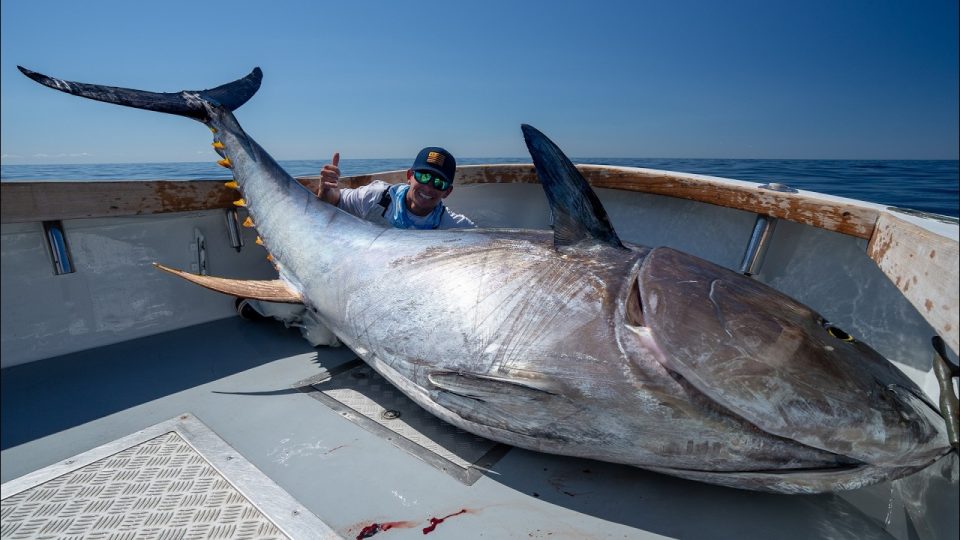
Most people think of fish as an everyday meal, but a select few types draw bids in the millions at auctions around the world. Take the bluefin tuna, for example. A massive 243-kilogram specimen sold for $3.2 million (JPY 510 million) at the first auction of 2026 at Tokyo’s Toyosu fish market. The buyer was Kiyomura Corp, whose owner Kiyoshi Kimura runs the Sushi Zanmai chain known for its fresh sushi.
These early morning auctions happen just before dawn, when buyers gather in a tense atmosphere to inspect the catches. Bidders examine the fish closely for signs of quality, like firm flesh and bright eyes. The Toyosu market replaced the old Tsukiji market in 2018 and now hosts these events, drawing global attention each January 1 or soon after for the new year. This particular sale set a record for 2026, beating previous years where similar large tuna have topped out at around $3 million USD. Factors like the fish’s size and the festive timing push prices higher, as buyers aim to claim bragging rights for the first big catch. Kimura, a regular at these events, often snaps up the top lots to feature in his restaurants, turning the purchase into prime marketing material.
Bluefin tuna stands out because of its rich taste and buttery texture, especially in the fatty belly cuts prized for sushi and sashimi. Larger fish like this 243-kilogram giant yield more of that premium ootoro, the melt-in-your-mouth part that commands top dollar. Fat content plays a huge role; studies show fish with higher fat levels near the belly and fins fetch better prices at auction. Supply stays tight due to fishing quotas aimed at protecting stocks, which have rebounded from overfishing lows but remain limited. Japan consumes about 80% of the world’s bluefin, fueling demand from high-end eateries where a single piece can cost diners $50 or more.
Bluefin is not alone in this elite group. Atlantic bluefin has sold for over $1.7 million at similar auctions, while southern bluefin from Australia hit $1.5 million USD in past years. Albacore tuna rarely reaches those heights, but yellowfin and bigeye stay far cheaper at under $10 per kilogram due to bigger catches. Even abalone and sea urchin have shattered records; a single abalone fetched $1.8 million HKD in Hong Kong, and sea urchin lots have topped $100,000 USD in Hokkaido auctions. These sales happen in places like Tsukiji historically or Fukuoka in Japan, where scarcity and cultural hype drive the numbers.
Several elements combine to lift these prices worldwide. First, scarcity rules: bluefin stocks face strict limits from groups like the International Commission for the Conservation of Atlantic Tunas, keeping supply low despite growing sushi demand in the U.S., Europe, and Asia. Second, size and condition matter; bigger, fatter fish mean more sellable premium meat, and live catches preserve quality better than dead ones. Transportation adds costs too, as these giants need quick chilling and air freight to markets. Finally, cultural prestige seals the deal. Buyers like Kimura use the purchase to signal status, plastering photos across social media and drawing crowds to their spots.
Fish markets run on speed and expertise. Buyers bid in seconds during hand-signal auctions, where a fan of fingers means a certain amount. Post-sale, the tuna heads straight to slicing rooms, with cuts graded by fat marbling much like beef. Prices cascade down from there; that record bluefin might retail for $200 per kilogram in Tokyo but less elsewhere. Global trade shifts values too, with U.S. imports of bluefin hitting $200 million yearly, though regulations cap volumes. For business readers new to this, think of it as a commodities market with perishable goods: timing, quality specs, and hype set the floor.
Records like this one remind everyone that even in seafood, rarity breeds big money. Auctions blend tradition with hard economics, showing how global tastes shape ocean harvests. As demand grows and quotas hold firm, expect more fish to test price ceilings in the years ahead.
