
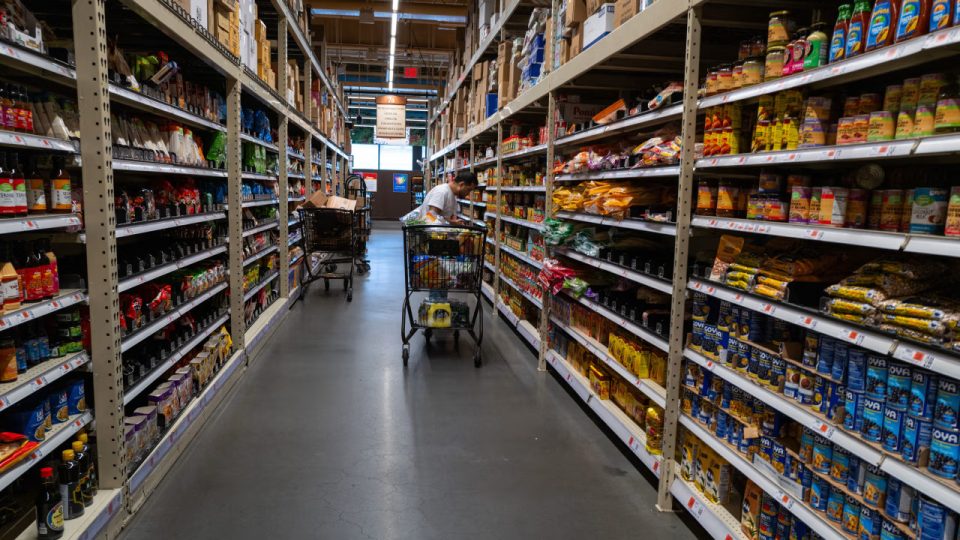
Maplebear Inc. (NASDAQ: CART) runs Instacart, the grocery delivery service that links customers to local stores through a network of personal shoppers. Shoppers use the app to build baskets from partners like Costco, Target, and Albertsons, then dash shoppers pick, bag, and deliver often in under an hour. The company pulls in money from delivery charges, item markups, brand ads, and premium subscriptions for perks like faster service. This setup boomed with pandemic demand but now wrestles with rising costs and rivals such as Amazon Fresh.
Instacart stepped into hot water with AI pricing tools from its 2022 buyout of Eversight, a firm specializing in dynamic retail prices. Retailers could test variations where the same product from one store showed different prices to different app users. Partners including Safeway, Kroger, and Sprouts ran these short experiments to see what pricing kept staples affordable while lifting sales by around 3%. Instacart stressed the tests drew no personal data or history, comparing them to random shelf displays in physical stores.
Consumer Reports dropped a bombshell study earlier this month alongside Groundwork Collaborative and More Perfect Union. Volunteers simulated hundreds of identical baskets across the app without checking out. Every basket triggered a test, with average price swings of 7% per order and peaks at 23% on single items like crackers costing $2.56 extra. Frequent high-price hits could add $1,200 yearly to a shopper’s bill. Users felt tricked since nothing signaled the flux.
Outrage built quickly online and in headlines as grocery inflation pinched wallets. Critics called it surveillance pricing even as Instacart swore off individual targeting. The Federal Trade Commission fired off questions last week about Eversight and price mechanics. Target clarified it holds no sway over Instacart’s displayed rates.
Instacart defended the gaps as minor and retailer led at first. Spokespeople pointed to features matching app prices to stores and loyalty discounts. Pressure mounted though, and today the company announced it shut down all Eversight tests on the platform right away. A blog post owned the misstep, saying uneven prices clashed with customer expectations amid economic strain. Retailers can no longer run them through Instacart.
This turn spotlights deeper cracks in business trust for AI tools that tweak everyday prices. Platforms promise efficiency yet blur lines when handing retailers experimental power over what shoppers see. Retailers gain data insights but risk backlash if tests feel sneaky, especially as delivery apps shape more of the buying journey. Instacart’s fast retreat shows how studies and regulators can force accountability. Shopper pushback matters when trust underpins repeat orders. Broader e-commerce faces the same scrutiny, with AI promising smarts but demanding clear rules to avoid alienating users wary of hidden upsells. Retail impacts linger too, as partners recalibrate without these tools while eyeing FTC fallout.
