
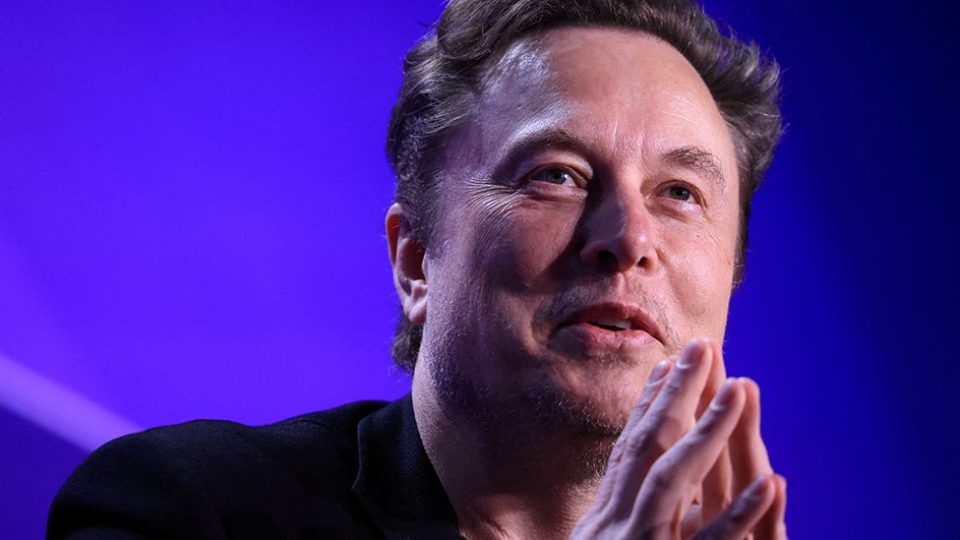
Elon Musk’s proposed compensation package as CEO of Tesla Inc. (NASDAQ: TSLA) is drawing prominent criticism from some of the company’s largest and most influential investors, with Norway’s sovereign wealth fund leading the charge. Norges Bank Investment Management (NBIM), which oversees the Government Pension Fund Global, has publicly stated that it will vote against the nearly $1 trillion pay arrangement Musk could receive over a decade should the ambitious performance targets be met.
Norges Bank holds approximately a 1.14% stake in Tesla, valued at about $11.6 billion. In its public comments, NBIM acknowledged Musk’s significant impact on Tesla’s growth but expressed concern about the overall size of the award, dilution of shareholder value, and the lack of sufficient safeguards against “key person risk,” referring to the heavy reliance on Musk’s leadership. The fund emphasized that while it recognizes the value Musk brings, the scale of compensation raised governance issues in line with its views on executive pay.
This opposition joins a growing list of institutional investors and proxy advisory firms that have announced their intention to vote against the package. Proxy firms such as ISS and Glass Lewis have recommended shareholders reject the proposal, citing similar concerns around the compensation’s excessive size and potential impact on Tesla’s governance and shareholder value.
Other notable investors joining the “no” camp include members of the Take Back Tesla campaign, a coalition of labor unions and corporate accountability groups, who argue the pay package exemplifies excessive executive remuneration in contrast to workers’ wages and broader economic realities. Norges Bank also indicated it would vote against Tesla’s proposed general stock compensation plan, which benefits employees broadly but is seen as related to the CEO’s pay scheme.
On the other side, some investors such as Baron Capital Management support Musk’s pay, highlighting his pivotal role as Tesla’s visionary leader and the architect behind much of the company’s technological and market successes. CEO Elon Musk himself is Tesla’s largest individual shareholder, controlling nearly 16% of outstanding shares, aligning his interests with shareholders who want the company to continue ambitious growth.
Tesla’s board, including Chair Robyn Denholm, has urged shareholders to approve the package, warning that Musk’s departure over a failed vote could significantly impact the company’s future. The package’s milestones include Tesla reaching a market value of $8.5 trillion, a near six-fold increase from current levels, alongside targets for production and operating profit that together constitute a demanding growth agenda.
Musk’s compensation arrangement is structured around multiple tranches of stock awards triggered by hitting these performance goals. While the headline value approaches $1 trillion, analysts note that the net payout after necessary share purchases and other factors is estimated to be lower but still unprecedented for any CEO.
The debate over Musk’s pay package highlights broader questions about executive compensation in high-growth technology companies, shareholder rights, and governance standards. The shareholder vote, scheduled for this week’s annual meeting, will be closely watched as a bellwether for investor sentiment not just at Tesla but across similar disruptive firms.
For Norges Bank Investment Management and those aligned with its stance, this vote represents an opportunity to push for more tempered approaches to rewarding CEOs while maintaining dialogue with Tesla’s management to balance growth ambitions with responsible governance.
This significant investor protest underscores the evolving landscape of shareholder engagement where large institutional funds increasingly assert their preferences on issues extending beyond financial returns to encompass sustainability, governance, and fairness in executive pay structures.
