
Jaguar Mining Inc. (TSX: JAG, TSX: JAG; OTC: JAGGF, OTC: JAGGF) is making waves in the mining world with a fresh announcement: a private placement deal aimed to bring in gross proceeds of approx. $18.24 million (C$25 million), reinforcing the company’s financial capacity as it moves toward a more aggressive growth phase in Brazil’s Iron Quadrangle region.
This is a bought deal, which is a type of financing where underwriters purchase all the offered securities from the issuer upfront, taking on the risk of reselling them to the market. The offering is being led by Red Cloud Securities Inc., along with a syndicate of underwriters. Under the agreement, the underwriters have committed to purchase 4,545,455 common shares at C$5.50 per share for resale to investors. They also hold an option to acquire an additional 545,455 shares, which could increase total gross proceeds by approx. $2.19 million (C$3 million).
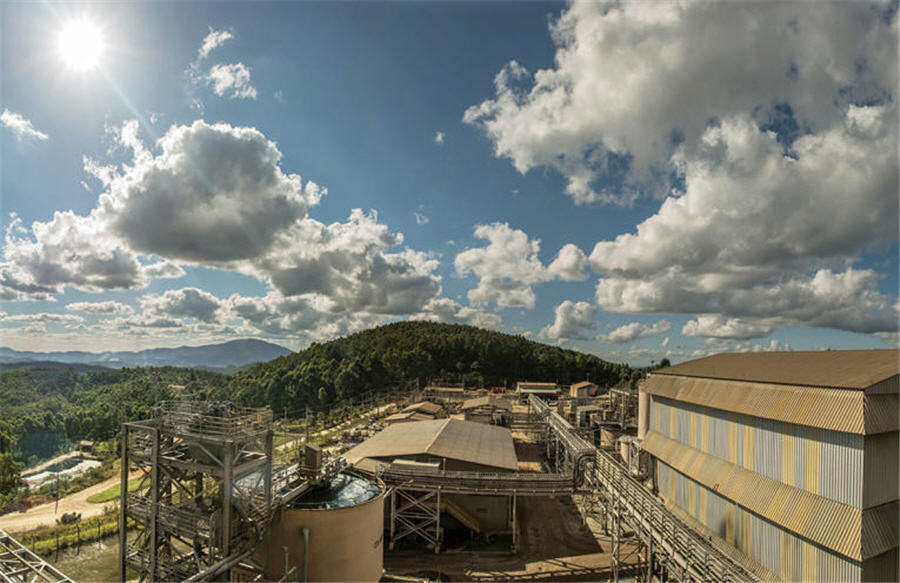
Luis Albano Tondo, Jaguar’s CEO, is clear about the company’s intentions. The cash infusion is destined mainly for the restart of operations at the Turmalina Mine in the MTL Complex, plus renewed exploration across Jaguar’s footprints in Brazil. With the Iron Quadrangle as the backdrop, a region famous for centuries-old gold discoveries and world-class mineral deposits, the stakes are high and the opportunity equally compelling.
Jaguar’s claim to fame in the Iron Quadrangle is not minor. The company holds the second-largest gold land position in the region, with over 46,000 hectares. The area’s history helps explain its reputation. Gold was first discovered in Ouro Preto in the late 1600s, and mines like Morro Velho, Cuiabá, and São Bento have collectively produced multi-million ounce hauls. It’s the kind of landscape where serious mining players want a piece of the action.
The new funds are not just about breaking ground at Turmalina. Jaguar has signaled an intention to spread capital across both operational needs and exploration projects. The Caeté complex (home to the Pilar and Roça Grande mines and plant) is still part of the company’s portfolio, though Roça Grande remains under care and maintenance since 2019. The company also owns the Paciência complex, currently idle since 2012, with talk of a restart now scheduled for 2026 if conditions meet expectations.
Private placements can be a tricky business, especially in mining, where investor interest tends to ebb and flow with commodity cycles, local regulatory shifts, and broader market dynamics. Jaguar’s move appears designed to provide more certainty while giving the company the flexibility needed to ramp up production now, rather than wait for slower market-driven capital raising. By leveraging exemptions and targeting both Canadian and international buyers, Jaguar is opening doors that might otherwise be closed, especially for juniors operating in overseas jurisdictions.
As the October 15 closing date approaches, Jaguar is poised to put its renewed financial strength to work. Whether this will result in a meaningful production surge or simply shore up ongoing operations will depend on the team’s next steps and the reception from both regulators and investors.
