
A Taiwan-based biotechnology company is taking a step that could bring its experimental prostate treatments closer to the U.S. market. Jyong Biotech Ltd. (NASDAQ: MENS) plans to establish a potential manufacturing facility and U.S. operations center in Texas. The move is intended to prepare the company for commercial activity if its drug candidates receive regulatory approval. The plan does not commit Jyong to a completed plant or a launch date, but it identifies Texas as a possible base for its future U.S. operations.
Jyong develops plant-derived medicines, with an initial focus on urinary system diseases. Its leading clinical candidate, BOTRESO®, is being developed for benign prostatic hyperplasia, a condition in which an enlarged prostate can cause urinary symptoms. The company also has another clinical-stage botanical candidate and several earlier-stage programs. Founded in 2002 and headquartered in New Taipei City, Taiwan, Jyong works across drug discovery, clinical trials, regulatory affairs, manufacturing, and commercialization.
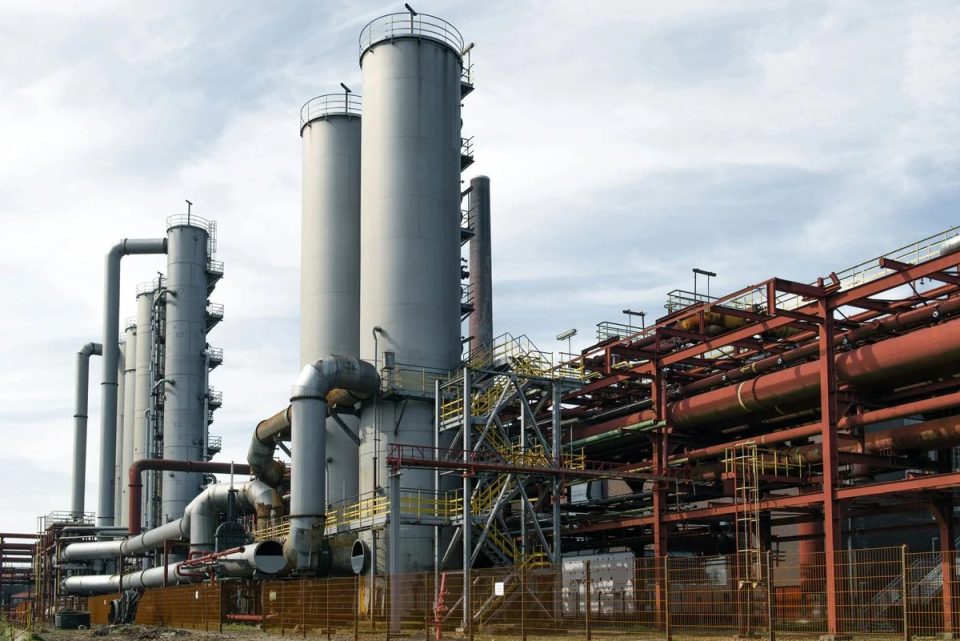
The proposed Texas facility would give the company a physical presence in its highest-priority market. Jyong expects the site to include pharmaceutical manufacturing capabilities and is considering additional production lines for health supplements. Those supplement lines remain uncertain because they would depend on further planning, regulatory requirements, and available funding. The company has submitted a facility and operations plan to local authorities in Texas and is preparing to begin formal discussions with the relevant government agencies.
Texas was selected after Jyong reviewed government policies, market conditions, workforce recruitment, and logistics. The company also cited competitive land costs, a favorable corporate tax structure, state tax exemptions, and manufacturing incentives. For a biotech company without an approved product, building production capacity in advance could reduce operational challenges if a drug candidate is approved and needs to be supplied at commercial scale.
Fu-Feng Kuo, Jyong’s chairwoman and chief executive officer, said U.S. manufacturing capacity would support the company’s long-term commercial plans. She described Texas as offering a favorable business environment and potential state tax incentives that could help Jyong build the infrastructure needed for potential commercial activities. Her comments underline that the plan is tied to a future scenario, not an existing approved medicine.
The market opportunity remains substantial. Recent estimates indicate that BPH-related lower urinary tract symptoms affect 38.1 million U.S. men older than 30, about one-quarter of all U.S. men, with roughly one-third receiving medical treatment. A 2025 review also estimates that more than 14 million U.S. men are actively managed for BPH, while the National Institute of Diabetes and Digestive and Kidney Diseases reports that BPH/LUTS affects about one in three men aged 65 and older and that approximately 600,000 new cases are identified annually.
Jyong sees potential across several groups. It says about 35% of actively managed patients are in watchful waiting and receive no drug therapy, making them its intended primary target if a new treatment is approved. Another estimated 9.1% have discontinued medication and returned to watchful waiting, while 54.8% currently take chemical medications. For that larger group, Jyong believes its candidate could potentially be evaluated as an alternative or combination therapy, subject to clinical evidence and regulatory review.
The company’s U.S. focus also reflects how medicines are regulated and valued. Jyong views the United States as its top market because of favorable drug-pricing dynamics and the international recognition of FDA-approved pharmaceuticals. It believes an FDA approval, if obtained, could support regulatory filings in other markets, although approval elsewhere is not assured.
There is an important distinction between preparing for commercialization and being able to sell a medicine. Jyong says it has no approved drug products available for commercial use in any jurisdiction. The Texas proposal is therefore an early infrastructure plan, one that would matter commercially only if BOTRESO® or another candidate clears the remaining clinical and regulatory hurdles.
The next developments to watch include Texas agency discussions, funding and construction details, and progress in Jyong’s clinical and regulatory programs. If those steps advance, the proposed facility could become part of a broader effort to bring a botanical prostate therapy to the U.S. market. Until then, Texas represents preparation for an opportunity that remains conditional.
