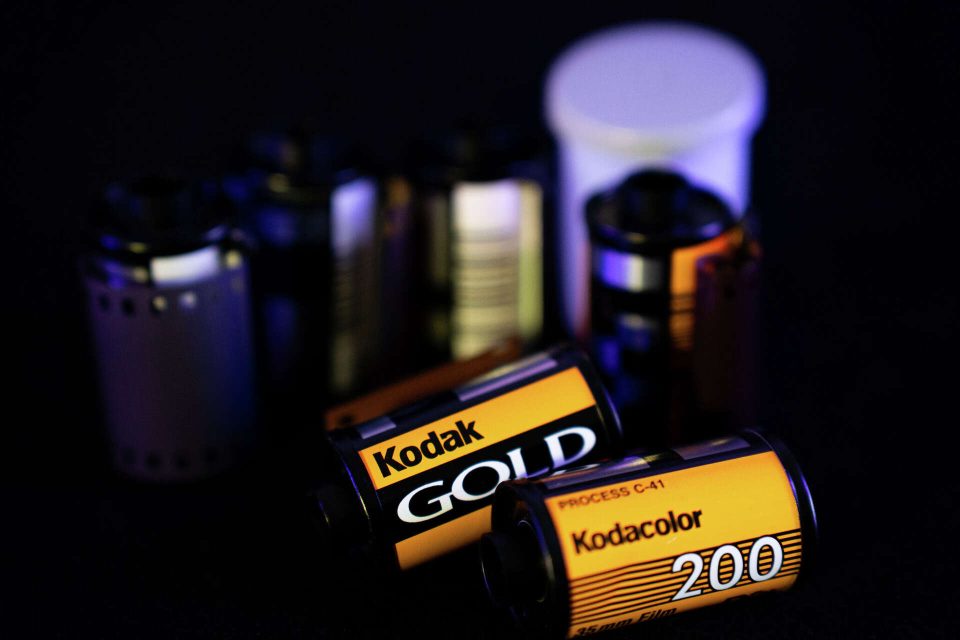
For decades, Eastman Kodak (NYSE: KODK) formed the very core of the photography world, synonymous with snapshots, family albums, and accessible visual storytelling. But today, that heritage feels distant as the company faces a stark new reality: it has told investors that there is “substantial doubt” about its ability to keep operating due to looming debt and a lack of liquidity.
In its latest quarterly earnings, Kodak openly acknowledged something rarely stated so bluntly in corporate filings. The upstate New York-based business said it does not have “committed financing or available liquidity” to handle approximately $500 million in debt payments coming due soon. That’s an admission that the company may not be able to meet its obligations, and it might not survive as a functioning business much longer.
This is more than just the latest in Kodak’s long string of challenges. Once a titan of American innovation, the company’s troubles started over two decades ago, when digital photography upended its film-based empire. Since then, Kodak tried everything from a bankruptcy restructuring to repeated attempts at reinventing itself. In recent years, it has pushed into commercial printing, chemicals, and even flirted with pharmaceuticals. The core problem, however, was never really solved: Kodak’s old business evaporated and the new lines never caught on in a big enough way to offset those losses.
With $500 million due and no reliable means to pay, Kodak’s management is signaling to shareholders and employees that the risks are severe. Companies use the phrase “going concern” when their independent auditors or management have real worries the business might not be able to keep operating over the next year, a warning reserved for serious financial distress, not just a bad quarter or two. This can spook not only investors, but also suppliers and potential customers, making an already-difficult situation even more precarious.
Kodak’s cautionary message comes at a challenging moment for many firms carrying heavy debt loads. Interest rates remain at multi-year highs, inflation eats into consumer and corporate budgets, and the broader financial environment is less forgiving than at any point in the last decade. For Kodak, with few obvious unencumbered assets left and the brand’s prime value diminished, raising new capital or refinancing isn’t a straightforward matter. Its core businesses are no longer producing the reliable cash flow needed to dig out from under its obligations.
For ordinary shareholders, the news deepens the uncertainty about their investment. In the immediate aftermath of the company’s filing, trading in Kodak stock reflected that anxiety, being down over 25% in early trading today, as investors reassess the company’s odds of pulling through this latest storm. Employees, some of whom have weathered multiple rounds of layoffs and restructuring efforts over the years, face more anxiety about jobs and pensions.
Despite this, there remains a cohort of loyal Kodak supporters who hope that the company’s legacy and experience in imaging and materials science can somehow still carve out a niche amid today’s rapidly changing technological landscape. But as the quarterly statement makes clear, the window for that turnaround is narrowing quickly.
More than a century after George Eastman unveiled the first box camera, Kodak’s future hangs by a thread, with $500 million standing between it and survival. As the company looks for options, history offers only a cautionary backdrop. Holding on may require more than nostalgia and rebranding, all eyes are now on whether new capital or strategic partnerships might provide one last chance to snap a financial comeback.
