
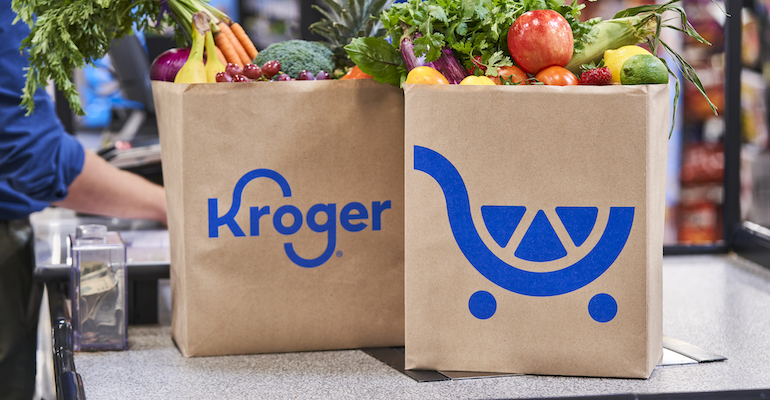
The Kroger Co. (NYSE: KR) has a new leader at the top. The board has named Greg Foran as chief executive officer, effective right away. He steps in after Ron Sargent, who handled the job on an interim basis since March 2025. Shares rose 7% in early trading that day, as investors showed faith in what Foran might bring to the table.
Foran carries more than 40 years of experience running big consumer operations. He spent six years as head of Walmart U.S., where he delivered 20 straight quarters of sales growth in established stores. There, he pushed hard on digital tools, like online ordering and quick delivery setups, which helped Walmart pull ahead in a market where customers expect speed and ease. Before that, he guided Air New Zealand through rough pandemic times as its CEO, rolling out tech changes to keep things running smooth. The Kroger board picked him after a long search, praising his skill at handling large retail teams and focusing on what customers want.
Kroger sits as one of the biggest grocery chains in the U.S., with over 2,700 stores across many banners. It faces stiff competition from players like Walmart and Amazon, who grab more online sales every year. Traditional grocers like Kroger still get most revenue from physical stores, but shoppers now mix in app orders and curbside pickup. This shift leaves companies that lag in digital behind, as younger buyers lean toward one-click buys and same-day options.
Recent numbers paint a clear picture of the gap. In fiscal 2025, Kroger’s digital sales grew, but at a slower pace than rivals. Walmart pulled in 21% of its U.S. sales from e-commerce by late 2025, while Amazon’s Whole Foods and delivery services kept climbing. Kroger hit about 15% digital penetration, solid but not enough to match leaders. Inflation squeezed margins too, with food prices up 3-5% year over year, making customers hunt for deals through apps rather than aisle browsing. Without faster online growth, Kroger risks losing ground to those who make shopping feel effortless on any device.
Foran knows this challenge firsthand from Walmart. There, he oversaw rollout of Walmart+, a membership program for free delivery, and expanded pickup locations to over 3,100 stores. These moves boosted customer loyalty and lifted sales per visit by double digits in key markets. At Kroger, similar steps could close the e-commerce gap. The company already runs services like Boost, its quick pickup option, and Delivery in select areas. But scaling these nationwide demands better tech, from inventory tracking to personalized offers via apps.
Digital upgrades promise real help for Kroger on several fronts. First, they cut costs in the long run. Smarter supply chains with AI forecasting mean less waste on perishable goods, which eat up 5-10% of grocery profits industrywide. Kroger loses millions yearly to spoilage; precise demand tools could trim that by 20-30%, based on Walmart’s gains under Foran. Second, online channels open new revenue. E-commerce margins often beat in-store by 200 basis points once scaled, thanks to data on buying habits that fuel targeted ads and private label pushes.
Personalization stands out as a key win. Kroger collects data through its loyalty cards, but rivals like Instacart and Amazon use it better for custom deals. Foran could link this to a stronger app experience, sending coupons based on past buys. Walmart saw repeat visits jump 15% after such tweaks. This keeps customers coming back, even as grocery trips drop 10% overall from pre-pandemic levels due to bulk online orders.
Why push these changes now? Kroger needs them to stay relevant. The failed Albertsons merger last year left it without scale to fight back alone. Food-at-home spending flattened at 5% of U.S. consumer dollars, while takeout and meal kits from DoorDash and others nibble away. Digital lets Kroger fight on price, speed, and convenience, matching Amazon’s reach without building warehouses from scratch.
Foran takes over a company with solid bones: reliable stores, strong own brands like Simple Truth, and $150 billion in yearly sales. Yet execution matters most. His Walmart days showed how to blend store upgrades with tech, like better shelf stocking tied to online demand. Air New Zealand taught him to adapt fast amid uncertainty, a skill for today’s volatile prices.
Kroger plans more details on its path forward during the March 5 earnings call. Foran called it the best job around, citing the team’s focus on communities. If he channels his past wins into digital acceleration, Kroger could regain momentum. Shoppers win with easier access, and the business gains a shot at steady growth in a crowded field.
