
Most people never notice the things that keep a railroad running. They see the train, not the steel rail under it, the lubricant that keeps wheels from wearing grooves into curves, or the sensors watching for trouble along the line. The same goes for the concrete boxes, vaults and tanks buried under new neighborhoods. A company that has been quietly making these things for more than a century had a good summer, and it is already spending what it earned.
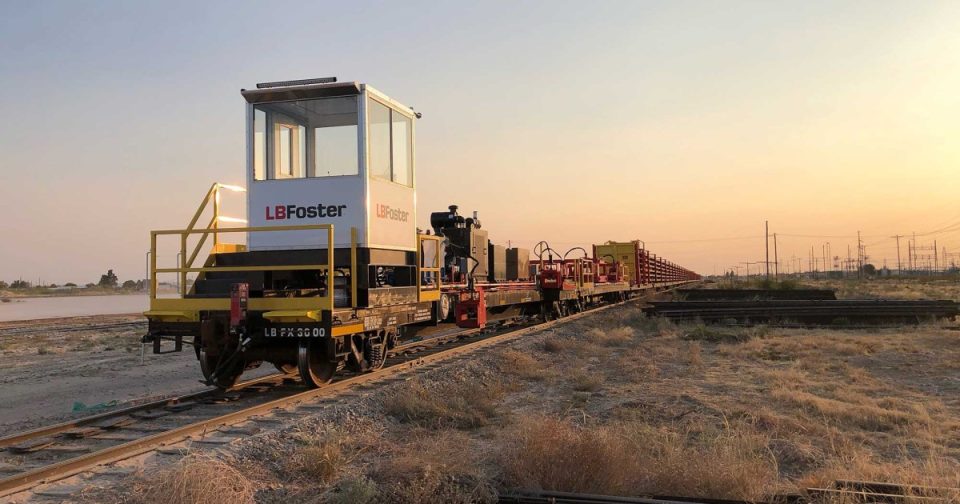
That company is L.B. Foster Company (NASDAQ: FSTR), founded in Pittsburgh in 1902. Its work falls into two broad groups. The first serves railroads and transit systems with rail products, track treatments that reduce friction and noise, and technology that monitors equipment, including a busy operation in the United Kingdom. The second makes precast concrete and steel products for builders, utilities and public agencies. If you have driven past a housing development or crossed a rail line lately, there is a fair chance something this company made was nearby.
Today the company reported results for its third quarter, the three months that ended on September 30th, and the short version is that business picked up. Sales grew by about a fifth, to $168.0 million, and profit rose even faster, climbing roughly 55% to $6.8 million. The railroad side did most of the heavy lifting, growing about a third, while the construction side grew at a steadier pace.
There was a catch, and it is worth understanding. A large share of the new rail sales came from distributing products and from the UK operation, two areas where the company keeps less of each dollar it brings in. So while the company sold a lot more, its profit margins on those sales got a little thinner. The pile of signed orders waiting to be filled also shrank somewhat, simply because the company shipped work faster than new orders arrived. Neither point undoes a good quarter, but both are worth keeping an eye on.
The bigger story is about debt. Like a household that uses a strong year to pay down its credit cards, the company used the cash coming in to cut what it owes. By the end of September, total debt had fallen to $28.7 million, the lowest level in more than ten years and roughly half of what it was a year earlier. Paying less interest also helped profits grow faster than sales.
That clean balance sheet did not stay clean for long, and that seems to have been the plan all along. Last week the company spent about $52.2 million in cash to buy the operating business of Dulworth Enterprises, a private company based in Rice, Texas. Dulworth makes precast concrete products and treatment systems for homes that are not connected to a city sewer, which is common in fast-growing rural and suburban areas. The money came from cash on hand and the company’s line of credit. Management expects the business to add about $18 million in yearly sales, and to become noticeably more profitable once it is fully folded in over the next year or so.
Management also sounded more confident about the rest of the year. It raised its full-year sales forecast to between $570 million and $590 million and said it expects to generate more spare cash than it had previously estimated. That forecast does not count on any help from the Dulworth purchase.
What makes this quarter interesting is less the size of the gains than what the company chose to do with them. Rather than sit on its improved finances, it used them right away to push deeper into a part of the housing market it already knew. Whether that bet pays off will depend on how smoothly Dulworth is absorbed, whether margins hold up as rail sales keep growing, and whether new orders arrive quickly enough to refill the queue heading into next year.
