
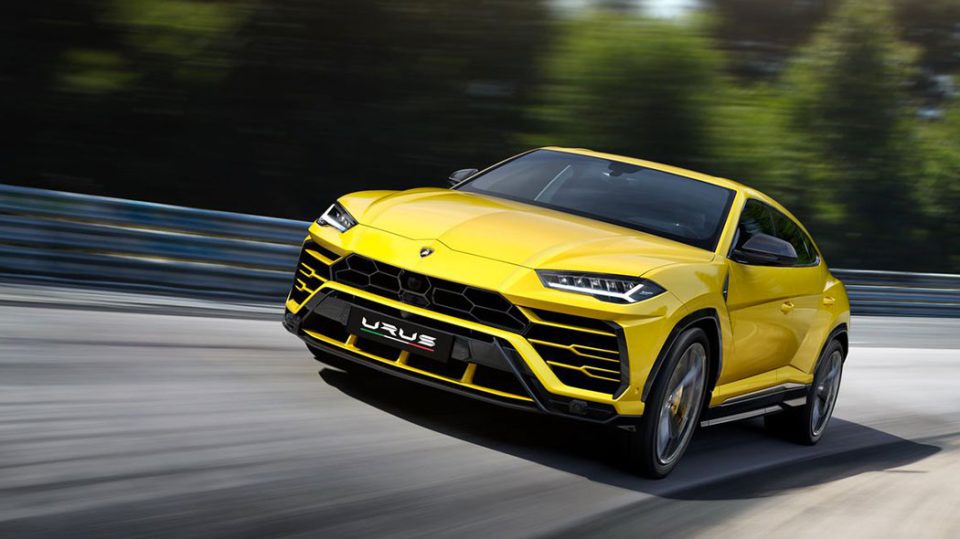
Stephan Winkelmann, CEO of Lamborghini, recently opened up about the challenges his iconic Italian supercar maker faces due to uncertainty surrounding tariffs. Even among the wealthiest customers, there is noticeable hesitation when it comes to purchasing these high-end vehicles.
The concern centers on looming tariffs that could add a significant cost to Lamborghinis imported to the United States, one of the company’s largest markets. The White House has announced an agreement on a 15% tariff rate for European-made cars, but this rate is not yet in effect and may still change. Winkelmann explained in an interview with CNBC that this ambiguity alone is causing buyers, who otherwise have the means to pay, to pause before placing orders.
Lamborghini’s production is deeply tied to its Italian heritage. The company’s factory is nestled in Sant’Agata Bolognese, Italy, where each car benefits from a blend of traditional craftsmanship and modern technology. The “Made in Italy” identity is not just a label; it is a core promise to customers that influences both the brand’s perception and the performance of its vehicles. Winkelmann stressed that manufacturing the cars elsewhere is not an option, as producing Lamborghinis outside Italy would undermine that essential brand promise and alter the product’s essence.
This reliance on Italian production means tariffs imposed on imports to markets outside Europe will inevitably affect the company’s business. As such, Lamborghini is grappling with how to manage potentially higher costs without deterring demand too sharply. According to Winkelmann, there is a “sweet point” when it comes to transferring tariff costs to customers through price increases. Go beyond that point, and the company risks losing sales volume. He noted the need to watch how competitors manage similar pressures and how the American market reacts before making broader pricing decisions.
Despite these tariff threats and the resulting market uncertainty, Lamborghini currently maintains a relatively secure position due to a substantial backlog of orders. The company has orders extending approximately 18 months into the future, which cushions any immediate drop in demand that might result from tariff announcements or the delayed impact of increased prices. Winkelmann described this backlog as part of a strategy to maintain “controlled growth” over the coming years.
Lamborghini continues to display strong operational performance. The company posted a 16% increase in revenue last year and recorded operating profits surpassing 800 million euros, reflecting the brand’s ability to thrive even in challenging macroeconomic conditions. With around 3,000 vehicles sold in the U.S. last year, this market remains critical for Lamborghini, heightening the importance of tariff outcomes.
The luxury automaker’s strategy is also shaped by evolving customer preferences. While electric vehicles (EVs) are growing in popularity worldwide, Lamborghini’s buyers still overwhelmingly favor powerful V8 and V12 engines. The company has delayed its first all-electric model, focusing instead on hybrids as a transitional solution that aligns with both emission regulations and customer desires for performance. This nuanced approach underscores the complexities Lamborghini faces in balancing tradition, innovation, and external economic pressures.
While tariffs on European imports pose challenges, particularly around pricing and buyer demand, Lamborghini’s deep ties to Italian craftsmanship and its order backlog provide some insulation. CEO Stephan Winkelmann’s commentary reveals a brand acutely aware of the balance it must strike in a shifting economic landscape. For now, eager buyers may need a bit more patience to navigate the uncertainty before Lamborghini’s supercars find their way to customers’ garages.
