
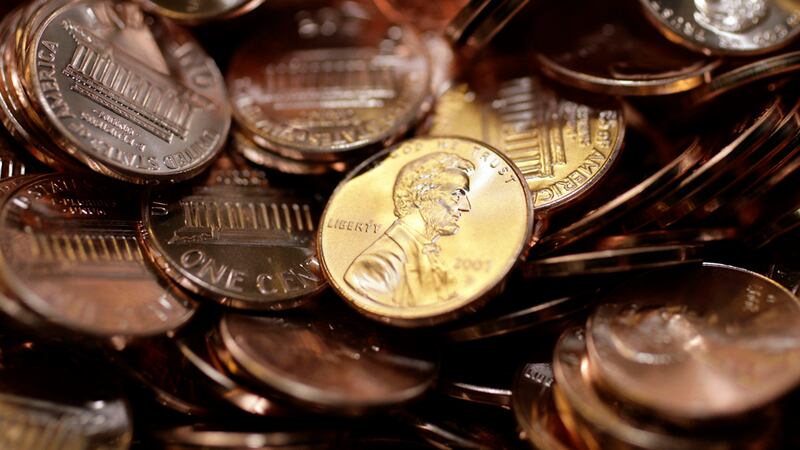
Earlier this year, the U.S. Mint stopped producing pennies, marking the end of a coin that had been part of American life for more than a century. The move wasn’t driven by nostalgia or politics but by economics. Each penny cost more to make than it was worth. According to Mint data from recent years, the cost of manufacturing a one-cent coin hovered around two cents, mainly because of rising metal and production expenses. What happens next, though, is far more interesting, the U.S. is considering replacing the one-dollar bill with a one-dollar coin.
Among policymakers, this idea isn’t new. The dollar coin has been proposed before, but past efforts, including the Susan B. Anthony and Sacagawea programs, failed to win public favor. Americans simply prefer paper bills. Yet as inflation erodes purchasing power and the cost of producing and recycling paper currency grows, a new one-dollar coin is getting another look. Supporters argue that coins last far longer than bills, which wear out quickly and must be replaced every few years. The U.S. Government Accountability Office has estimated that shifting from a one-dollar note to a one-dollar coin could save hundreds of millions of dollars annually over several decades, mostly through lower replacement costs and improved durability.
Canada faced a similar decision in the late 1980s. In 1987, it introduced the “Loonie,” a distinctive gold-colored one-dollar coin, and followed up with a two-dollar coin known as the “Toonie” in 1996. Both faced initial public skepticism, but Canadians adjusted quickly. Today, those coins are an accepted part of everyday life, and the transition eliminated the need for small paper denominations. The move saved the Royal Canadian Mint and taxpayers significant sums, reducing ongoing printing, transportation, and replacement costs. Australia and New Zealand made similar changes decades ago, removing low-value coins and shifting smaller denominations into coin form without long-lasting backlash.
Other nations have demonstrated that coin-based systems can be efficient once consumers adapt. The United Kingdom retired its half-penny coin in the 1980s, while Sweden and Norway have largely phased out smaller denominations in favor of round-number pricing and digital payments. Even the European Central Bank limited paper denominations in higher-value notes but made coins central to everyday cash handling. In nearly every case, the adaptation period was short. People grumbled for a while, and then daily transactions moved on.
In the U.S., however, the emotional attachment to the dollar bill runs deep. It’s part of the country’s monetary identity, recognizable, easy to fold, and steeped in familiarity. Change often meets resistance, even when the numbers make sense. But as commerce becomes increasingly digital, the practical need for coins and bills lessens. Paradoxically, that same shift might make a transition to a one-dollar coin easier. With fewer cash transactions overall, the importance of the physical format diminishes, leaving efficiency as the more compelling argument.
Still, design matters. If the new coin is to succeed, it must feel distinct and modern while staying tied to national heritage. Cost studies and policy debates aside, consumer behavior is shaped by perception. If the coin looks and feels valuable, it might stand a chance where past versions didn’t.
The penny’s retirement serves as a reminder that change in currency is never just about minting metal or saving money. It’s about cultural habits, national identity, and the quiet ways economies evolve. As America contemplates a future with fewer paper bills and more durable coins, it’s worth asking not just what we save, but what we value. The shape of money may change, but its meaning follows how people choose to use it.
