
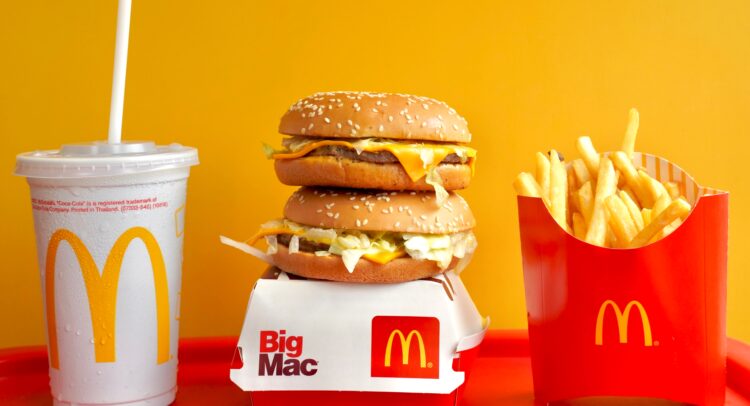
McDonald’s (NYSE: MCD) is taking a notable step to tackle a challenge that has been looming over the brand for some time: the perception that its menu has become too expensive for many customers. Just weeks after CEO Chris Kempczinski acknowledged that the rising cost of meal combos was turning away value-conscious consumers, the company announced it will cut the prices of eight of its most popular combo meals by 15%. This adjustment will come into effect next month and is part of a broader effort between McDonald’s and its U.S. franchisees to make the brand feel more affordable again.
At the heart of this pricing shift is the company’s recognition that the price customers see on the menu board is the chief factor shaping their perception of value. Kempczinski openly admitted earlier this month that “too often… combo meals are priced over $10, and that absolutely is negatively shaping value perceptions.” After years of inflationary pressures and economic uncertainty, a number of loyal McDonald’s customers have felt pushed away by rising prices, which in some cases made fast food options seem as pricey as sit-down casual restaurants.
The company’s new pricing approach mandates that these combo meals be priced at 15% less than if the items were bought separately, setting a clear discount for diners. To persuade franchisees to accept lower prices in what can be a challenging economic environment for operators, McDonald’s is offering financial support to help offset potential revenue losses. This collaborative tilt towards pricing clarity and consistency is aimed at reigning in the wide pricing discrepancies that have emerged across different regions, where a Big Mac combo might cost as little as $8 in one location and nearly $12 in another.
Alongside the discount on existing combo offerings, McDonald’s plans to revive its “Extra Value Meals” branding this fall, reintroducing $5 breakfast deals and $8 meal specials featuring items like the Big Mac and Chicken McNuggets. These moves echo prior efforts like the $5 value meal launched last year, which helped temporarily stabilize sales by addressing the dollar-stretching needs of budget-conscious consumers.
This pricing recalibration is more than just a tactical update; it represents a strategic acknowledgment that McDonald’s affordability advantage has eroded over the past few years. In 2023, a viral report highlighted an $18 Big Mac combo at a rest stop, sparking widespread backlash and a defensive reaction from McDonald’s leadership. While that meal was an outlier, it underscored the growing dissonance between McDonald’s once rock-solid reputation for value and its current pricing reality.
Industry observers expect that McDonald’s move will intensify pricing competition in the fast-food sector, especially among rivals like Wendy’s, Burger King, and Jack in the Box. Many of these competitors may lack the financial flexibility to match such discounts, potentially reshaping market dynamics throughout the remainder of 2025.
Internally, McDonald’s has also been grappling with the challenge of coordinating price standards across franchisees, who currently set prices independently based on local operating costs. These can vary wildly, minimum wage differences alone range from $7.25 in some states to $20 or higher in cities like those in California. This complexity has made consistent national pricing difficult, but the current initiative could signal a push towards unifying price points, something the company hinted at earlier this year.
All told, McDonald’s pricing changes reflect a firm commitment to fixing what many customers and franchisees see as a core problem. The brand wants to restore its reputation as a reliable, affordable choice in a fast-food landscape increasingly crowded with options. Whether these moves succeed in reversing recent customer decline remains to be seen, but the willingness to confront pricing issues head-on marks a significant moment for the fast-food giant and its millions of customers across the U.S.
