
Most people never think about the memory chips inside their phone. They hold your photos, keep your apps running, and rarely make headlines. This quarter, they became the main story. According to preliminary estimates from research firm Omdia, global smartphone shipments fell 20% year over year in the July to September quarter, a steep slide from the 6% decline in the quarter before. That made it the weakest third quarter for the industry since 2013. A separate count from IDC estimated a 22% drop, calling it the worst decline on record.
The cause sits upstream. Artificial intelligence companies are buying enormous amounts of memory for their data centers, and chip factories can only produce so much. When a cloud giant and a phone maker want the same scarce part, the bigger buyer tends to win. IDC said higher storage costs have pushed phone companies to raise prices, cut specifications, and drop budget models. In plain terms, memory suppliers now have more say over price, and the companies that assemble phones absorb the difference.
That pressure has not landed evenly. Samsung Electronics Co., Ltd. (KRX: 005930.KS) held the top spot with 23% of shipments, and Apple Inc. (NASDAQ: AAPL) followed at 22%. Together they took 45% of the market, roughly 8 percentage points more than a year earlier. Both sell plenty of premium phones, where a higher memory bill is easier to absorb.
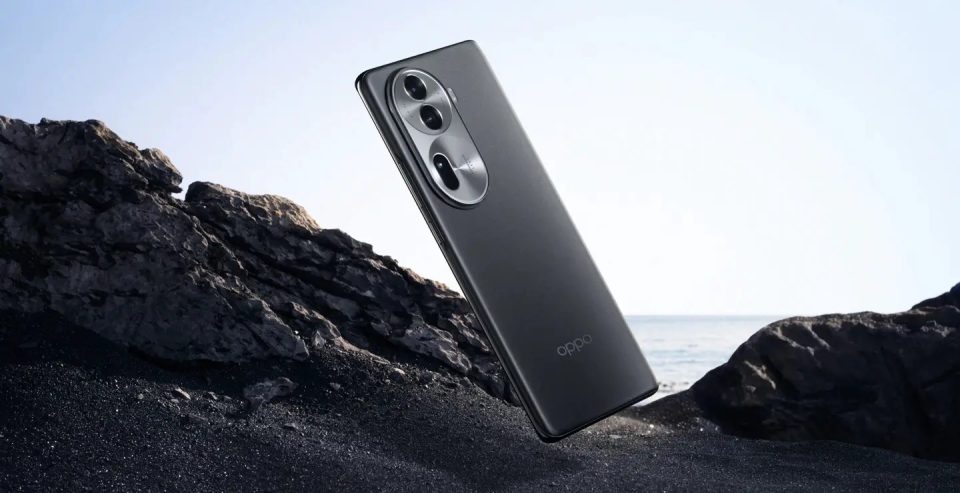
Brands built on affordability had a harder time. Xiaomi Corporation (HKEX: 1810.HK) slipped to 12% share from 14%, OPPO dropped to 9% from 12%, and vivo eased to 8% from 9%. Entry-level phones already earn thin margins, so rising memory costs can erase the profit on each unit. Omdia analyst Lucas Zhong noted the squeeze is sharpest in emerging markets, where shoppers watch prices closely, but cautioned that a brand which vanishes from store shelves can take years to win back attention.
Here the story gets more complicated. If memory makers hold the pricing power, their shares might be expected to shine. Instead, SK hynix Inc. (KRX: 000660.KS), one of the world’s largest memory producers, fell 10% overnight as South Korea’s Kospi dropped more than 8%. Strong business conditions did not protect the stock from a broader wave of selling.
That wave started with inflation. A hotter-than-expected consumer price report yesterday raised fears that the Federal Reserve may lift interest rates again. The Nasdaq fell 1.9%, its biggest one-day drop since July 23rd, led by a 4.3% slide in chip stocks. Companies that borrowed heavily to build AI infrastructure took the hardest hits. CoreWeave, Inc. (NASDAQ: CRWV) has raised $22 billion in bonds and $26 billion in loans, and one of its bonds issued in June at a 9.625% yield recently traded near 15%. The cost of insuring against a default by Oracle Corporation (NYSE: ORCL) climbed to a record. Even 41.1% revenue growth at Taiwan Semiconductor Manufacturing Company Limited (NYSE: TSM) could not lift the mood, and the small-company Russell 2000 lost 1.93%.
Looking ahead, Omdia expects flagship launches and holiday promotions to fall short of offsetting supply pressure in the final quarter. Phone makers are leaning on financing plans, trade-ins, and carrier partnerships rather than deep discounts. As higher prices reset what shoppers expect to pay, demand could shift toward more capable devices in the next upgrade cycle.
The bigger lesson is about leverage. Whoever controls a scarce part sets the terms for everyone downstream. Memory makers hold that advantage in their business, even if their share prices are caught in the same storm as the rest of tech. Phone companies with premium lineups can ride it out, while budget brands face harder choices about where to compete. Until memory supply catches up with AI demand, the phone in your pocket may cost more to replace.
