
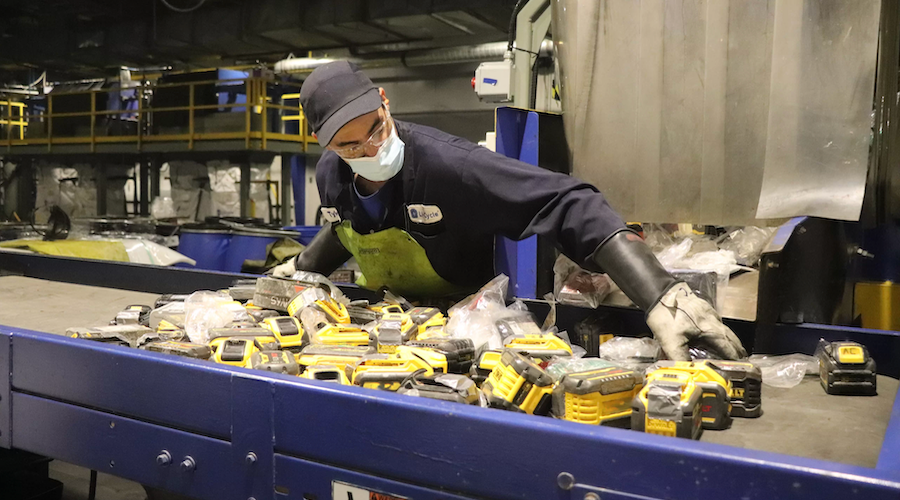
Metallium Limited (ASX: MTM; OTCQX: MTMCF) took a notable step in its growth journey by signing a Memorandum of Understanding with a division of Glencore plc, a global leader in diversified natural resources and one of the biggest recyclers of end-of-life electronics. Through its U.S. subsidiary, Flash Metals USA Inc., Metallium is laying the groundwork for a potential long-term partnership focused on electronic scrap supply and recyclable metal offtake within the United States.
This agreement, effective immediately, represents more than just a commercial arrangement. It establishes a cooperative framework to secure a stable feedstock supply necessary for Metallium’s first commercial recycling facility in Texas and outlines plans for Glencore to purchase up to 75% of the recycled metals Metallium produces, including metallic metals, metal chlorides, and metal hydroxides. The partnership also includes Glencore’s support through technical services such as assaying, ensuring quality and consistency in the incoming feedstock. While Glencore gains exclusive rights to negotiate offtake volumes during the term of the MOU, Metallium retains the freedom to independently market high-value specialty metals including gallium, germanium, indium, and rare earth elements, which typically fetch premium prices in technology markets.
Metallium’s CEO Michael Walshe highlighted how the collaboration marks a defining milestone for the company. He pointed to Glencore’s Horne Smelter in Quebec, which is North America’s largest processor of electronic scrap containing copper and precious metals, as a key strategic asset for this partnership. Securing Glencore as a major feedstock supplier aims to cover a significant portion of Metallium’s Stage 1 processing requirements, approximately 8,000 tonnes per year of printed circuit board material, and supports planned expansion phases. The alliance also fits well with Metallium’s vision of establishing a network of processing plants near major collection points and data center corridors across the U.S. Both parties are targeting a definitive binding agreement by year-end to solidify this framework.
Glencore’s operations in electronic scrap recycling are extensive. The company leverages a vertically integrated mining, processing, and marketing presence in over 35 countries, with its recycling division handling close to 100,000 tons of e-waste annually and having processed over one million tons since the 1990s. This gives Metallium immediate access to a reliable and large-scale supply chain, which is paramount for emerging recycling businesses aiming to scale efficiently and consistently.
The technology underpinning Metallium’s approach, Flash Joule Heating (FJH), enables high-efficiency and low-carbon recovery of critical and precious metals from mineral concentrates and high-grade waste streams like refinery scrap and electronic waste. This technology positions Metallium to extract significant value from complex feedstocks that traditionally posed challenges for conventional recyclers, materials such as gallium, germanium, antimony, rare earth elements, and gold. The partnership with Glencore not only secures essential feedstock but also adds operational credibility and technical resources as Metallium pushes toward commercial production and revenue generation.
The broader implications of this alliance reach beyond mere supply agreements. It signals a shift in how recycling operations can scale by combining cutting-edge technology with established global logistics and market access. The collaboration could serve as a model for future partnerships in the circular economy, where the integration of upstream feedstock supply and downstream metal sales creates efficiencies and newfound opportunities in critical material markets.
As the partnership progresses, Metallium and Glencore are also exploring the potential for extending their collaboration internationally. These discussions could lead to replicating this framework in other major markets where e-waste volumes are rapidly increasing, including Europe and Asia. The integration of advanced recycling technology and global resource capabilities could set new standards in managing electronic waste, reducing reliance on primary raw materials, and addressing environmental concerns with innovative solutions.
In the near term, the focus remains on finalizing a definitive agreement by the end of 2025, which will provide more certainty about volumes, financial terms, and technical arrangements. For Metallium, this partnership is a critical step in transforming innovative metal recovery technology into scalable commercial operations. For Glencore, it strengthens its footprint as a key player in the circular economy for critical metals, leveraging synergies with Metallium’s innovative approach.
The collaboration between Metallium and Glencore illustrates how the resources sector is evolving in response to sustainable supply chain pressures. With pressure mounting on critical metal availability and sustainability requirements, strategic collaborations like this could help meet growing industry demands while contributing to environmental goals and advancing recycled metal supply chains in the U.S. and beyond.
