
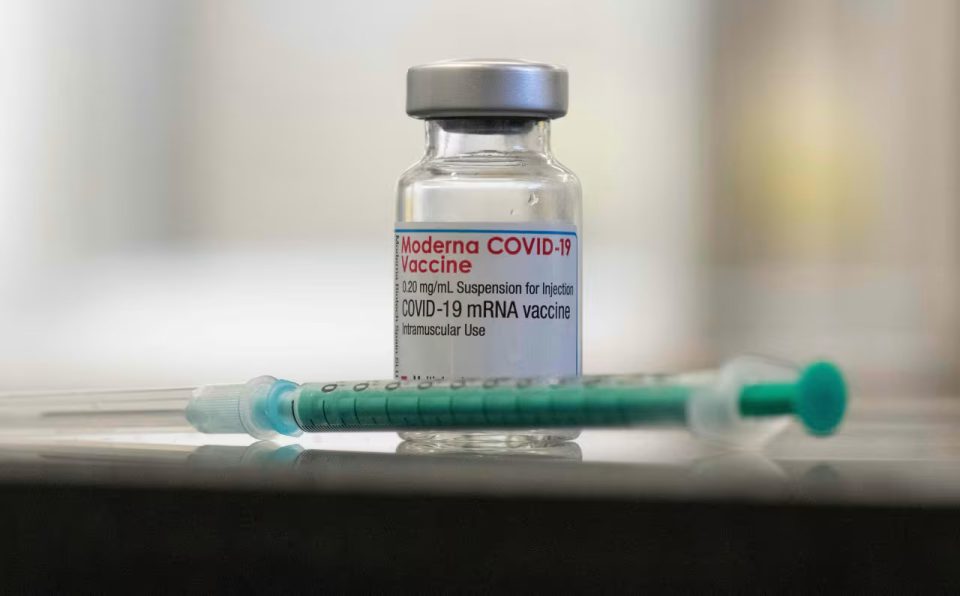
Moderna, Inc. (NASDAQ: MRNA) has built its name on messenger RNA, or mRNA, technology. This approach instructs cells to produce proteins that trigger immune responses. During the Covid-19 pandemic, the company turned this into its blockbuster vaccine Spikevax. Arbutus Biopharma Corporation (NASDAQ: ABUS) and Genevant Sciences GmbH hold patents on lipid nanoparticles, or LNPs, which deliver mRNA into cells. Roivant Sciences Ltd. (NASDAQ: ROIV) owns Genevant. These firms sued Moderna for using their LNP tech without permission in Spikevax.
The dispute started years ago and grew into battles across courts in the U.S., Europe, and beyond. Arbutus and Genevant claimed Moderna infringed on patents covering LNP formulations key to vaccine stability. Moderna fought back, arguing the patents were invalid or not infringed. The case dragged on, creating uncertainty for all sides. It reached a boiling point with filings in multiple countries and threats of huge damages. Investors watched closely as biotech patent fights often sway stock prices and development paths.
Earlier this week the companies announced a global settlement. Moderna will pay $950 million upfront. It also faces up to $1.3 billion more in contingent payments tied to future milestones or sales. That brings the total potential to $2.25 billion. Arbutus gets 20% of the proceeds, or about $190 million initially. The deal ends all litigation worldwide, including a U.S. appeal under Section 1498. Moderna shares were up as much as 11% in premarket trading, and opened this morning up 6%, reflecting relief from this overhang.
Moderna started in 2010 with a focus on mRNA for vaccines and therapies. Its platform skips traditional cell cultures or viral vectors. Instead, it designs synthetic mRNA strands tailored to fight diseases. Spikevax generated billions during the pandemic, peaking at over $18 billion in 2022 revenue. Sales dropped sharply after that as demand waned and competition grew. The company now pursues a pipeline of about 40 programs, including vaccines for flu, RSV, cancer, and rare diseases. Recent approvals include an RSV shot and combination flu-Covid jab. Still, 2025 revenue fell to around $3.5 billion, with heavy R&D spending at $4.8 billion. Cash reserves stand at roughly $9 billion, enough to fund operations into 2028.
This settlement fits into Moderna’s shift from pandemic windfalls to proving mRNA’s versatility. Investors value the technology’s speed. It allows rapid tweaks to target new variants or pathogens. Challenges persist, though. mRNA shots need cold storage, and long-term safety data builds slowly. Moderna partners with Merck on cancer therapies and Novartis on flu vaccines. These deals spread risk and boost credibility.
LNPs encase fragile mRNA, protecting it until it reaches cells. Arbutus pioneered key formulations in the 2010s. Genevant licensed them broadly. Moderna licensed some early LNP tech but disputed coverage for Spikevax doses. The lawsuit sought royalties on sales, potentially billions. A U.S. jury sided partly with claimants last year, but appeals delayed payouts. The settlement avoids further trials, which could have lasted years.
For shareholders, the deal lifts a cloud. The $950 million upfront hits cash, about 10% of reserves. Spread over time, it stings less than endless legal bills, which topped $100 million already. The $1.3 billion contingent is back-loaded, linked to sales or approvals unlikely without LNP access anyway. Crucially, it removes royalty burdens on future products. Spikevax royalties could have reached 5-10% of sales; now they stop. This frees margins for pipeline bets.
Moderna’s stock had slid 60% from pandemic highs amid revenue cliffs and trial setbacks. The 6% pop signals approval. Arbutus shares soared over 200% that day on the $190 million windfall. Roivant gained too, with a $1 billion buyback announced alongside. Investors now eye Moderna’s cash burn. R&D eats funds, and no big seller matches Spikevax yet. Positive Phase 3 data on individualized cancer vaccines could change that. Patent peace lets focus return to execution.
Biotech thrives on innovation but stumbles on IP wars. This resolution shows settlements often beat verdicts. Moderna preserves resources for growth. Arbutus and Genevant book gains to fuel their own pipelines. For the sector, it underscores LNP’s value. As mRNA expands to therapies beyond vaccines, clear licensing matters more. Moderna emerges leaner, ready for the next chapter.
