
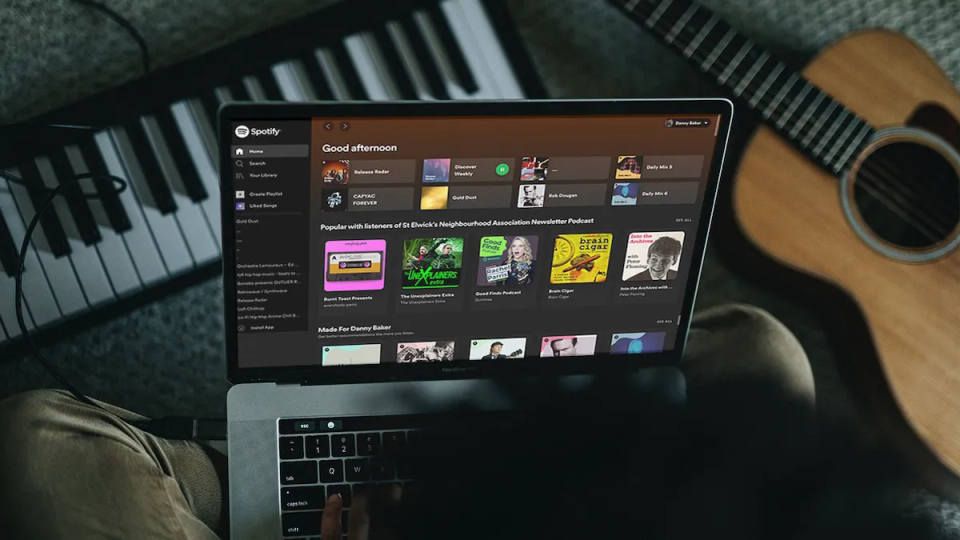
Think about the last time you played a song on your phone. That simple tap sends money rippling through the online music world. Platforms like Spotify and YouTube collect fees from listeners and share them with artists, labels, and publishers. This system has grown into a massive business, but it comes with its own set of quirks for those making the music.
Streaming took over as people ditched CDs and downloads for instant access. By 2026, the global music streaming market hits around $49 billion, with experts forecasting growth to $177 billion by 2033 at a 19.4% annual rate. North America leads with 48.2% of the market share, thanks to high smartphone use and broad internet access. Services split into on-demand audio, which holds 53.6% dominance, and live options that grow faster at 16.9%.
Paid subscriptions drive most revenue, making up 57.1% of the industry total, while ads add another 26.8%. Physical sales linger at 10%, and downloads fade to 3%. Listeners now number over 750 million paying users worldwide, a shift fueled by apps on phones and smart speakers. This model reversed two decades of industry decline by favoring access over ownership.
Companies gather money from monthly fees and ad views, then pool it for rights holders. Think of it like a giant communal pot where each song’s share depends on total plays. Spotify, for example, reported a record payout exceeding $11 billion to the music industry in 2025. YouTube followed with over $8 billion for the 12 months from July 2024 to June 2025. These sums cover labels, publishers, and performers, not direct artist checks.
Rates vary, but streaming royalties often feel like a tip jar at a street performance. A single play might earn a fraction of a cent, say $0.003 to $0.005 on Spotify, so artists need millions of streams to see real income. Platforms use algorithms to track listens and divide the pot pro-rata, meaning popular tracks claim bigger slices. Independent musicians might keep more through direct deals, while label artists split with middlemen.
Artists rarely rely on streams alone. Live shows bring the biggest hauls, often 70% or more of earnings for mid-tier acts, with tickets averaging $100 plus merch sales. Sync licensing, where songs land in ads, TV, or films, pays flat fees from $5,000 to $500,000 per use. Merchandise like T-shirts or vinyl adds steady cash, especially at concerts.
Fan platforms such as Patreon or Bandcamp let musicians charge for exclusives, bypassing streaming cuts. TikTok boosts discovery but pays tiny per video spin, pushing artists toward virality. Spotify distributes to artists after labels take their share, around 50-70% retention for independents versus 15-20% for signed ones. YouTube offers similar splits, with bonuses for high views.
Low per-stream rates spark debate, as a million plays might net just $3,000 before splits. Rising costs for promotion and touring eat into gains, leaving many musicians with day jobs. Platforms face pressure to raise rates, with some regions mandating minimums. Still, total payouts climb as users grow, benefiting top earners most.
AI personalization keeps listeners hooked, curating playlists that boost plays by 30%. Global expansion hits emerging markets like India and Latin America, where cheap data drives adoption. Yet equity lags, as algorithms favor hits over new talent.
YouTube and Spotify reshape competition, with video streams blending audio and visuals for 51.9% audio dominance. Apple Music and Amazon Music chase with exclusives, while regional players like Tencent thrive in Asia. Subscriptions evolve toward bundles with podcasts or events.
Artists adapt by building direct fan ties, using data from platforms to sell experiences. Regulators eye fair pay, potentially forcing changes by 2027. Platforms invest in tools like Spotify’s artist dashboard for transparency.
Total payouts reflect a thriving ecosystem, yet sustainable careers demand diverse streams. Musicians who master live ties, sync deals, and fan platforms alongside streaming build lasting security. The industry evolves fast, rewarding those who navigate its full landscape.
