
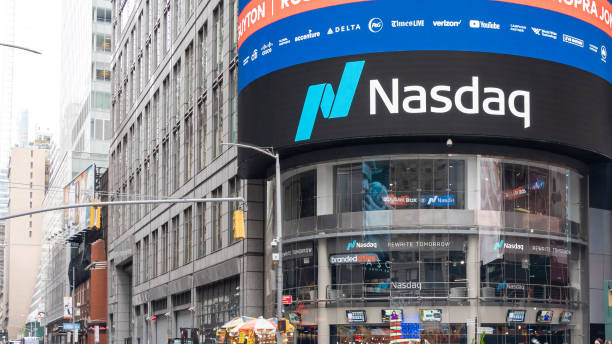
NASDAQ (NASDAQ: NDAQ) has announced a partnership with the cryptocurrency exchange Kraken to introduce tokenized versions of publicly traded stocks and exchange-traded products. This collaboration targets investors outside the United States, especially in Europe and other international regions. The goal is to let people trade digital representations of real shares using blockchain technology while keeping all the standard ownership rights intact.
Let’s break down what tokenization actually means in simple terms, since it’s a concept many readers might not encounter every day. Imagine you own a share of a company. Normally, that ownership is recorded in ledgers managed by brokers, banks, and clearinghouses. Tokenization takes that same share and creates a digital token on a blockchain that represents it exactly, one token for one share. This token can then move faster through digital systems, but it still links back to the real asset you own. The blockchain acts like a shared, tamper-resistant database that everyone involved can verify in real time.
In this setup, token holders get the full package of shareholder benefits. You can vote on company matters through proxy ballots and receive dividends just like with regular shares. Nasdaq emphasizes that the partnership will use blockchain to handle these corporate actions more smoothly. For example, instead of waiting days for dividend payments to clear multiple intermediaries, smart contracts on the blockchain could automate the process and credit your account instantly. This could cut down on errors and delays that sometimes frustrate investors during earnings seasons or annual meetings.
The plan builds on work Nasdaq started last year with a proposal to the U.S. Securities and Exchange Commission. That document outlined how tokenized shares could trade side by side with traditional ones on the exchange. Both would settle through the established Depository Trust system, ensuring they stay fully interchangeable. No one wants a situation where your tokenized Apple share trades at a different price from a regular one, so this design keeps everything aligned with the main market. The platform itself is slated for an early 2027 launch, giving time to iron out technical and regulatory details.
Kraken steps in as the main distribution channel for these tokens. As a global crypto platform with a strong presence in Europe, it offers a familiar interface for customers already comfortable with digital trading. An investor in Paris or Berlin could buy a tokenized share of a U.S. company during extended hours, potentially with lower fees than through a traditional international broker. Real-world benefits might include 24/7 access and the ability to trade smaller amounts, making high-priced stocks like those in tech more approachable for everyday portfolios.
This is not happening in isolation. Just last week, Intercontinental Exchange, which owns the New York Stock Exchange, invested in the crypto exchange OKX to develop similar tokenized products and futures. Meanwhile, Nasdaq has linked up with Europe’s Boerse Stuttgart Group and its Seturion platform for tokenized settlement. These moves show how big exchanges are quietly integrating blockchain to handle everything from public stocks to less liquid assets like private funds or bonds. For investors, it could mean easier cross-border access without needing multiple accounts.
Consider a practical example for a typical business professional. Say you want exposure to a U.S. tech giant but face high minimums or time zone issues from Canada. A tokenized version on Kraken might let you buy a fraction during your evening, with dividends hitting your wallet automatically and votes submitted via a simple app. Over time, this could reduce costs by 20-30% on settlement alone, based on industry estimates for blockchain efficiency. It’s about making ownership feel more direct and less bogged down by paperwork.
Challenges remain, of course. Regulators must ensure these tokens qualify as real securities everywhere they’re offered. Cybersecurity for blockchain custody is another hurdle, as is educating investors new to wallets and private keys. Still, with U.S. markets now on T+1 settlement and Europe pushing digital finance rules, the infrastructure is catching up. Nasdaq’s history with tech like electronic trading gives it credibility to lead here.
Exchanges like Nasdaq generate most revenue from data and listings, but tokenization opens doors to new fees from digital products. If successful, it could draw younger investors into traditional markets. For now, this partnership marks a bridge between crypto enthusiasts and stock buyers, testing whether blockchain adds real value to share ownership.
