
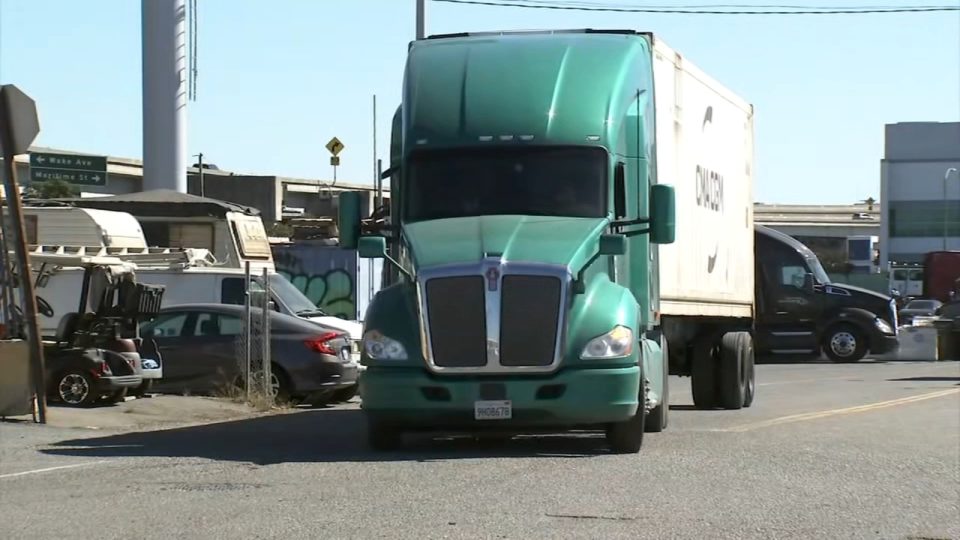
California plans to revoke 17,000 commercial driver’s licenses that were issued to immigrant drivers after state officials discovered the licenses had expiration dates extending beyond the period these drivers were legally authorized to be in the U.S. This decision comes amid increased scrutiny on the validation process of commercial driving credentials issued to immigrants, particularly those holding limited-term or non-domiciled licenses. The move shines a light on the tension between state-level immigrant workforce integration efforts and tightening federal regulations aimed at ensuring legal compliance in sensitive sectors such as trucking.
California’s governor, Gavin Newsom, emphasized that these licenses were invalid under California law because the authorization for the individuals to remain in the country had expired. The state Transportation Agency is implementing the revocations as part of a broader policy response to federal concerns raised during an audit initiated after fatal crashes involving some immigrant drivers whose licenses were under question. At the federal level, the U.S. Department of Transportation, led by Transportation Secretary Sean P. Duffy, has pushed for strict compliance with immigration status checks before issuing commercial driver licenses and introduced emergency rules tightening eligibility criteria, which Californians must now conform to. These federal requirements specify certain visa categories only, including H-2a, H-2b, and E-2 visas, are eligible for commercial licenses, and mandate annual or visa-expiration-based renewals for non-citizen drivers.
For the trucking and logistics sectors, this development has immediate and potential long-term implications. California’s trucking industry depends heavily on immigrant workers, many filling gaps created by labor shortages. The revocation of licenses threatens to reduce the operational capacity of freight carriers and logistics firms, possibly leading to transportation delays or increased costs. The labor supply contraction could prompt companies to accelerate recruitment efforts among domestic drivers, invest more in driver training programs, or explore automation technologies more aggressively. However, the sudden removal of such a significant number of licensed drivers risks creating bottlenecks within supply chains at a time when the sector is already facing challenges such as fluctuating demand and rising fuel prices.
At the labor level, the policy underscores the precarious position of immigrant drivers in the U.S. trucking workforce. Many immigrant drivers who legally held work authorizations found their licenses were invalidated retroactively due to changes in regulatory enforcement and stricter immigration status verifications. This creates uncertainty not only for the drivers themselves but also for their employers who may face disruption and increased liability risk. Labor advocates argue that such abrupt policy shifts could exacerbate existing labor market tightness and highlight the need for comprehensive immigration reform to create clearer, more stable pathways for immigrant workers contributing to essential industries.
This situation forms part of a broader national trend in the regulatory landscape around immigrant eligibility for commercial driving licenses. Several states have faced federal pressure to tighten issuance standards and verify immigration status more rigorously. The U.S. Department of Transportation’s recent emergency rules mark a decisive shift, narrowing the pool of immigrant drivers eligible for commercial licenses to those with specific visas and valid federal authorization. Some states are at different stages of compliance and have encountered pushback or legal challenges, underscoring a national debate on balancing workforce needs and regulatory enforcement.
Business analysts note that while safety and legal compliance are critical, the trucking industry’s heavy reliance on immigrant labor means policies such as California’s license revocation must be managed carefully to avoid unintended economic consequences. The state’s action also reverberates beyond logistics, signaling a tightening regulatory environment that may prompt companies across sectors to reassess their labor strategies where immigrant workforces are involved.
California’s move reflects an ongoing struggle to reconcile state-level labor market realities with federal immigration enforcement and transportation safety regulations. The revocation of 17,000 licenses marks a significant step toward stricter regulatory adherence but raises urgent questions about workforce sustainability, business continuity, and the future shape of immigrant participation in critical industries such as trucking.
