
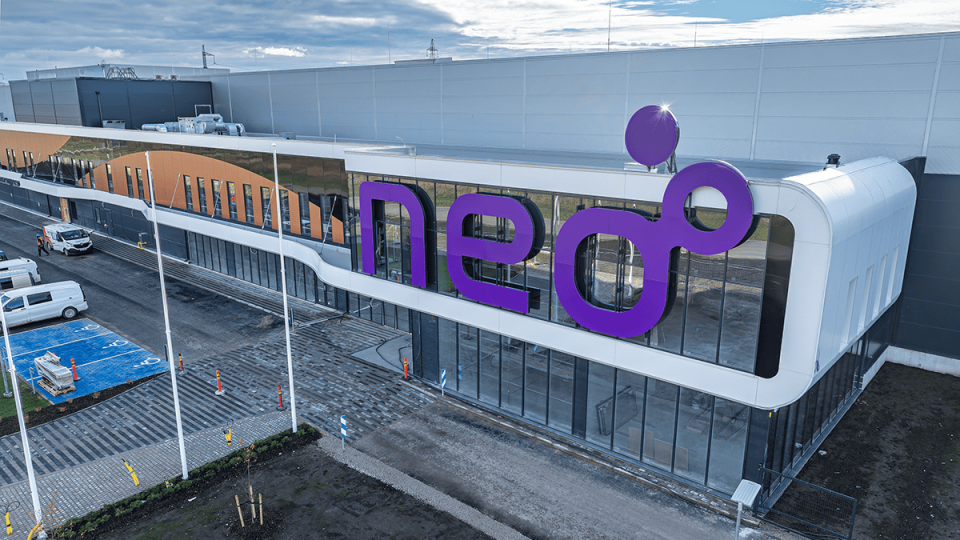
Neo Performance Materials Inc. (TSX: NEO, OTCQX: NOPMF) has just signed a multi-year Memorandum of Understanding with Robert Bosch GmbH, a global leader in technology and services. The new agreement will see Neo reserve a sizable chunk of its annual magnet production capacity for Bosch, with both companies aiming to move these capacity commitments to concrete sourcing projects as early as possible.
The strategy here is not just about more supply or bigger contracts. Bosch’s move is ground-level reinforcement for its magnet supply chain, especially for components destined for the auto sector and other high-tech applications. By locking in dedicated output from Neo, Bosch is making sure its procurement team doesn’t land in a last-minute scramble or get squeezed by market shortages, something every manufacturer dreads. For Neo, meanwhile, that vote of confidence from a customer of Bosch’s caliber means the roadmap for their magnet facility expansion in Estonia goes from theory to action. There’s less guesswork around demand and a clearer justification to speed up design and construction plans for new capacity.
Rahim Suleman, President and CEO of Neo, summed up the impact: “Entering this extended partnership with Bosch is an important step in building a resilient and sustainable supply chain for our customers. This secures a significant portion of our future production and speaks to our strategy of prioritizing partnerships with the world’s largest and most innovative companies.” In plain language, Neo is getting a steady customer pipeline for its high-performance magnets while Bosch gets guaranteed access, direct from a Western supplier unencumbered by some of the usual supply chain complexities that come with sourcing rare-earth magnets globally.
Neo’s Estonia facility is key to this whole arrangement. Rare earth magnets are indispensable to a wide range of products, from electric vehicle motors to offshore wind turbines. Production at the Narva plant started in May 2025, and its initial yearly output is targeted at 2,000 metric tons, enough for about 1.5 million electric vehicles. There’s still room for growth too, with plans to triple the capacity if demand continues to ramp up. The company has already leveraged public and private funding, including support from the European Union’s Just Transition Fund and a $50 million loan package to finance its ambitious vision.
Bosch, on its side, has emphasized supply chain resilience for years. With more than 35,000 employees in supply chain management and operations spread out across hundreds of plants, their system is built to prioritize supplier relationships, quality management, and innovation. It’s no surprise they’d double down on direct partnerships with companies like Neo that have both the manufacturing heft and technical know-how required to meet their strict standards.
Neo likes to describe itself as the maker of “building blocks” of modern, efficient technologies. Its range is broad, magnetic powders, magnet assemblies, rare earth metals, specialty alloys, and critical chemicals. While the supply agreement with Bosch is focused on magnets, it strengthens Neo’s role across the broader spectrum of industrial technologies tied to the energy transition.
Neo organizes its business across Magnequench, Chemicals & Oxides, and Rare Metals segments, and manages offices or facilities in Canada, China, Estonia, Germany, Thailand, the UK, Singapore, and the United States. Its global distribution lets Neo adapt quickly to where the innovation and demand are growing.
The broader context here matters. Rare earth magnets have become a flashpoint in the global campaign to secure climate-critical technology supply chains. Asia still dominates much of the production, but Neo’s success with its Estonia facility, delivered quickly and on budget, shows that Europe and North America have options to diversify sourcing and manufacturing for essential materials. When a manufacturing giant like Bosch decides to expand such partnerships, it’s more than a procurement win, it’s a sign of bigger trends in technology, trade, and sustainability.
