
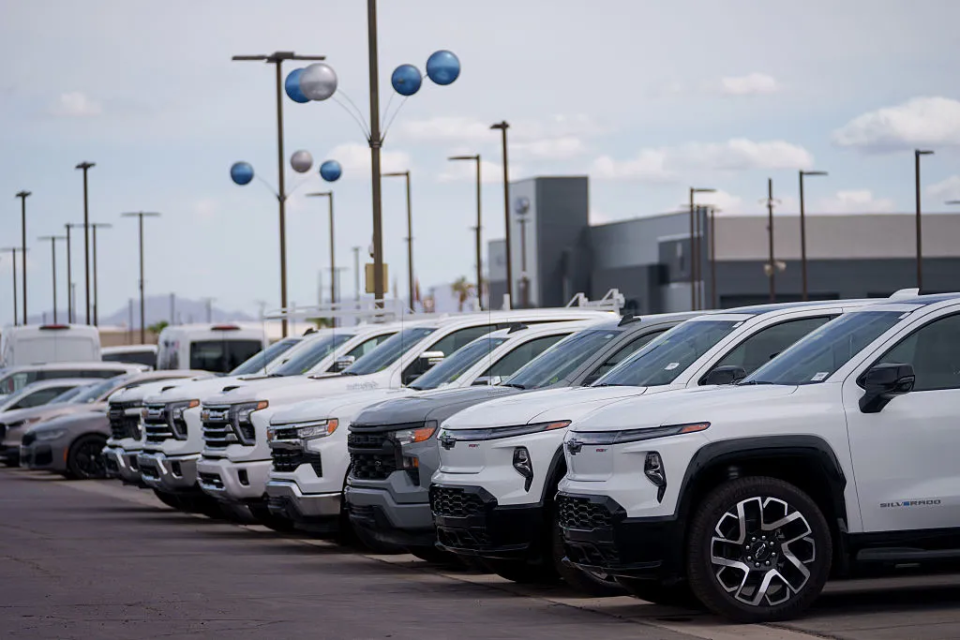
New car prices crossed a significant milestone in September 2025, with the average transaction price reaching $50,080 for the first time ever, according to Kelley Blue Book (KBB). This figure marks a new peak in vehicle pricing, reflecting broader shifts and pressures in the automotive market that are influencing both buyers and sellers alike.
As reported by KBB, Erin Keating, an executive analyst at Cox Automotive, the largest global provider of automotive services, noted that multiple factors are driving these price increases. Among the primary elements are low loan rates sustaining buyer demand, the impact of tariffs, and the rising presence and cost of electric vehicles (EVs). These components form a complex backdrop where affordability contends with new technology and economic policies.
The average monthly car payment now stands at $749, reflecting how these higher vehicle prices translate into the financing burden for consumers. This figure signals a continued trend where consumers must allocate a significant portion of their budgets to vehicle ownership.
These rising costs come amid a market that remains robust but challenged by external factors. Tariffs on imported vehicle components have pushed manufacturers to adjust pricing, while electric and hybrid vehicle adoption carries its own cost premiums driven by battery technology and material expenses. Cox Automotive’s data show that, despite these hurdles, interest rates on auto loans remain favorable compared to historical highs, which helps temper the overall impact on buyers.
From a broader perspective, the historical climb past the $50,000 average price underscores changes in consumer preferences and market dynamics. Buyers are increasingly opting for SUVs and trucks, vehicle categories that traditionally carry higher price tags compared to sedans. Additionally, technology features, safety systems, and premium trims are becoming standard rather than optional extras, adding to the ticket prices.
Cox Automotive paints a cautiously optimistic view of the automotive market for 2025. While affordability challenges persist, improvements in loan availability and slightly declining interest rates are expected to provide some relief. The company forecasts continued, albeit slow, growth in new vehicle sales volumes driven by stabilized inventory and improved credit conditions.
For consumers weighing the decision to buy, the current landscape means higher upfront prices and monthly payments compared to previous years. Yet, market indicators suggest potential stabilization in borrowing costs, which could ease the immediate cost burden. That said, buyers should remain mindful of how tariffs and evolving vehicle technologies may affect prices in the near term.
All told, September’s milestone is a significant marker in the evolving automotive market. It reflects an intersection of economic forces, regulatory impacts, and shifting consumer demand that collectively shape the cost of getting behind the wheel today. This price point may serve as a reference for ongoing analysis as the market navigates future uncertainties and opportunities.
