
Americans are facing a rough patch this summer as the newest round of U.S. tariffs kicks in, with impacts quickly surfacing in household sentiment and wider anxiety about where inflation is heading next. While tariffs can seem like a distant policy lever, their effects are already being felt in shopping aisles, and soon, at the Federal Reserve’s boardroom table.
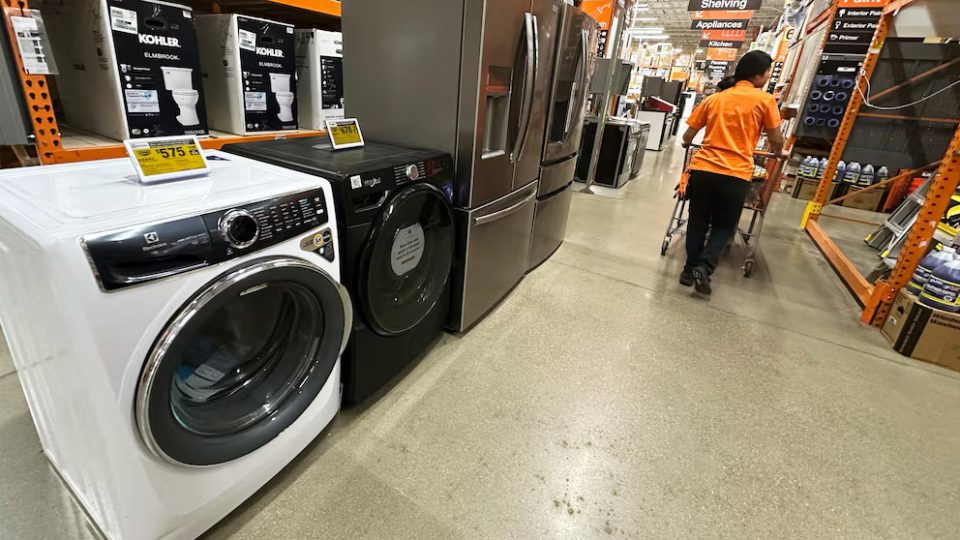
The University of Michigan’s latest consumer sentiment reading for August slid to 58.6 from 61.7 just last month, ending a two-month stretch of optimism. This setback comes as American households increasingly expect prices to creep higher, a direct reaction to import tariffs now affecting goods from over 60 countries. Notably, buying conditions for big-ticket items tumbled by 14%, a swoon not seen in over a year, as consumers signal a distinct unease about forking over more for essentials and discretionary purchases alike.
Just how serious is this latest hit? The Yale Budget Lab estimates that the effective U.S. tariff rate has ballooned from 2.4% in January to 18.6% now, the highest since 1933. That’s not just an arcane statistic: on average, it means that every American household could be absorbing an extra $2,400 in costs this year because of tariffs alone. So, even though the official inflation rate (as measured by the Consumer Price Index) is currently at 2.7%, Americans’ year-ahead inflation expectations have jumped to 4.9% from 4.5% last month. Those expectations matter, because they often drive actual spending and wage demands, keeping inflation higher than what’s already reflected in official data.
Why the quick reaction? Partly, it’s that businesses and retailers generally don’t eat the tariffs themselves. As soon as any inventory buffer runs dry, companies tend to pass price increases along to consumers. Over the spring, many firms tried to import extra goods before tariffs hit, a stopgap that bought some time, but with those stocks now depleting, sticker shock is spreading through the system. Economists at RBC and other firms now see so-called “core goods” inflation rising to about 3.4% by the end of this year, and the unemployment rate is forecast to tick higher, potentially reaching 4.5% as businesses slow hiring or cut back to manage costs.
While this isn’t a full-on recession scenario yet, it signals a fragile economic backdrop moving into the fall. Consumers aren’t the only ones watching the numbers closely. The next Federal Reserve meeting, scheduled for September 16-17, looms as policymakers weigh the delicate balance between stubborn inflation and a softer labor market. Recent reports show the Producer Price Index jumped 0.9% in just one month, suggesting that retailers are already moving tariff-driven costs onto consumers faster than many expected.
Fed Chair Jerome Powell’s upcoming speech at Jackson Hole is expected to be closely parsed for any signal of where the central bank might go next. Some officials argue that weakening job growth since April could justify a rate cut as early as September in hopes of spurring more spending and investment. Others worry that cutting rates before inflation recedes risks making price rises even stickier, particularly as tariffs act as a kind of tax on consumption that affects a broad swath of goods. The rate currently stands at 4.3%, but the data is making the usual playbook hard to follow.
For now, uncertainty is the theme. As negotiation over tariffs drags on, and the economic consequences begin to pile up, Americans remain deeply cautious about the path forward. Consumer spending drives about two-thirds of the U.S. economy, so any big, sustained dip in sentiment or durable-goods sales has consequences well beyond the checkout line. With the effective tariff rate at its highest in nearly a century and households bracing for more, all eyes are set on the Fed, and, just as important, how consumers weather the cost pressures of the months ahead.
