
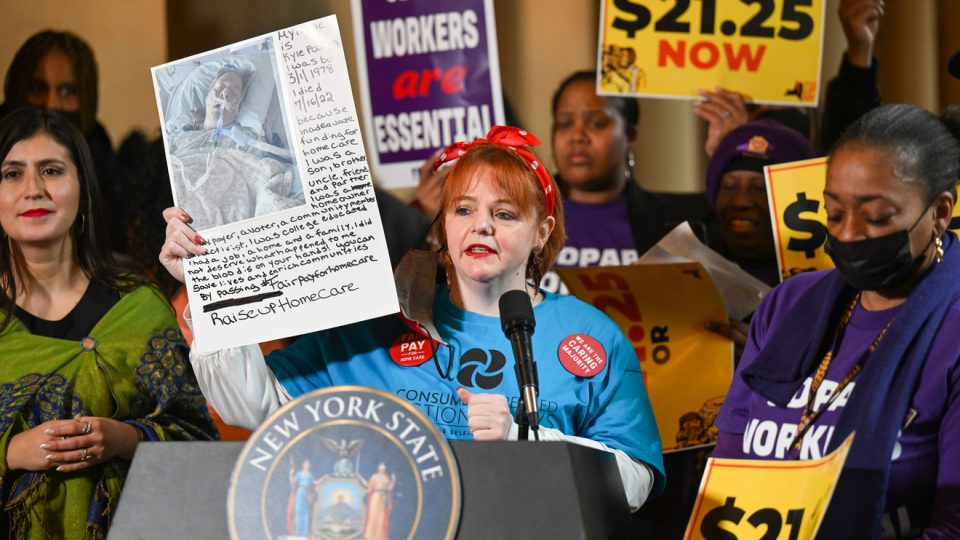
When lawmakers in New York City floated a plan to lift the local minimum wage to as much as $30 an hour, it caught the attention of business owners across the country. This proposal comes at a time when the federal minimum wage sits steady at $7.25 an hour, a figure unchanged since 2009. The gap between national standards and what some cities now demand highlights how labor costs vary wildly depending on where a company operates. For readers new to this topic, minimum wage sets a legal floor for hourly pay, and changes to it ripple through hiring, pricing, and everyday business operations.
The New York City Council introduced this bill as an active measure under consideration. It calls for employers to pay at least $25 an hour if they offer qualifying benefits like health insurance or paid leave. Without those benefits, the floor jumps to $30 an hour. The rules would extend to independent contractors too, including gig workers on digital platforms such as ride sharing apps or delivery services. Each year, the Department of Consumer and Worker Protection would tweak these rates to match inflation and reassess the value of benefits.
This push echoes a key promise from current New York City Mayor Zohran Mamdani. During his campaign, he committed to championing a $30 minimum wage, a goal now reflected in this legislation. New York City already raised its wage significantly in the 2010s. Back then, the rate for businesses with 11 or more employees climbed to $15 an hour. Just this year, the statewide minimum wage rose to $17 an hour, showing a pattern of steady increases at the local level.
Large employers face the steepest initial climb under the proposal. Companies with more than 500 workers would need to hit $20 an hour by 2027 and reach $30 by 2030. Smaller businesses get a slower path: $21.50 by 2028, then $30 by 2032. After those targets, all adjustments would follow cost of living changes. This tiered approach aims to ease the burden on smaller operations, but it still means labor costs could double or triple from current levels in just a few years.
Compare that to the federal baseline of $7.25. Congress and the White House have kept it frozen for over 16 years, even as living costs have soared. A full time worker at that rate earns about $15,000 a year before taxes, far below what covers basics in high cost areas. New Yorks plan would lift a similar worker to roughly $62,000 annually at $30 an hour, a transformative jump. Yet businesses often argue such hikes force tough choices. Studies from past increases suggest every 10% rise in minimum wage can lead to 1-2% fewer low skill jobs, as firms cut hours or turn to automation. Restaurants might raise menu prices by 5-10%, while retail could see thinner margins on everyday goods.
Other cities offer context for how far New York might go. Seattle requires about $20 an hour for many workers, and California sits around $16.50 statewide, with some areas higher. Those places have seen mixed results. Higher pay boosts worker spending and reduces turnover, which cuts training costs for employers. On the flip side, small businesses report tighter budgets, and some entry level roles have vanished as companies invest in kiosks or software instead of staff. New Yorks $30 target would top them all, potentially making the city a test case for ultra high urban wage floors.
For national chains, this creates a patchwork challenge. A fast food operator pays $7.25 in rural states but $30 in New York City, doubling labor expenses in one location. Small local firms feel it most acutely. A coffee shop owner might absorb costs by working longer hours themselves or passing them to customers through higher prices. Over time, this could slow hiring in service sectors, where margins hover at 5-10%. Larger corporations with deeper pockets might adapt faster by raising efficiency or shifting jobs elsewhere.
The federal stagnation leaves room for cities to experiment, but it also breeds inconsistency. Businesses planning expansions must now model wages by zip code, complicating budgets and forecasts. Workers gain purchasing power in places like New York, yet national standards lag, leaving rural areas with less uplift. As this bill moves forward, it could inspire similar moves in other urban centers or spark pushback from those worried about job losses. The outcome will shape how companies balance fair pay with profitability in an era of diverging local rules.
The conversation around wages often boils down to trade offs. Higher floors help families afford rent and groceries, especially in expensive cities. They also pressure employers to innovate or control costs elsewhere. New York’s proposal tests those dynamics at an extreme level, far beyond the federal anchor or even peers like Seattle and California. Business leaders will watch closely to see if $30 becomes reality and what it means for operations nationwide.
