
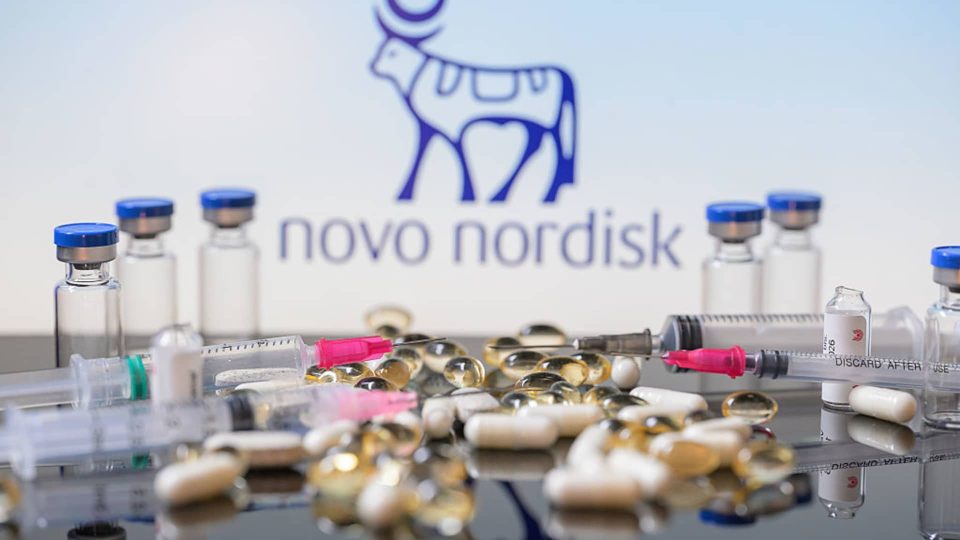
Novo Nordisk A/S (NYSE: NVO, CPH: NOVO-B) opened trading over 9% higher after U.S. regulators cleared an oral version of its weight-loss drug Wegovy. The approval marks a meaningful shift in how obesity treatments might reach consumers, extending access beyond injections to a simpler daily pill. Investors seemed to view the move as a pivotal expansion for the Danish pharmaceutical giant, reflecting confidence that patient convenience could translate into larger market demand.
Wegovy has been a breakthrough product since its launch in 2021, part of a new generation of medications designed to help with chronic weight management. These treatments, known as GLP-1 receptor agonists, mimic a natural hormone that regulates appetite. The injectable form of Wegovy already ranks among the most prescribed drugs in the U.S. for weight-loss support. Analysts have long speculated that an oral format could unlock a much broader user base, especially among people hesitant about injections or unable to access clinical administration.
The U.S. Food and Drug Administration’s approval of the pill version highlights how fast the market for obesity treatments is evolving. According to the Centers for Disease Control and Prevention, more than 40% of U.S. adults are considered obese, and demand for the new category of medications has surged accordingly. Surveys suggest roughly 6% of U.S. adults have used GLP-1 drugs in the past year, either for weight loss or diabetes management. That number could rise sharply if prices moderate and distribution expands through oral options rather than injectables.
The competition in this space is intense. Eli Lilly (NYSE: LLY) has seen similar success with its GLP-1 drug, Zepbound, and is also developing new delivery methods that could rival Novo Nordisk’s lead. Both companies are investing heavily in scaling production to meet demand, which has often outpaced supply in the past eighteen months. While these drugs have become cultural talking points and economic drivers, their financial implications are just beginning to take shape. Analysts at Morgan Stanley recently estimated the obesity-drug market could surpass $100 billion annually within the next decade.
For Novo Nordisk, the oral Wegovy approval represents not only a scientific milestone but also a test of pricing elasticity. The injectable version costs roughly $1,350 per month without insurance in the U.S., and the pill form is expected to carry a similar price tag at launch. Still, the oral convenience may help attract a broader range of cash-paying consumers, including those beyond major insurance networks or outside the typical demographic for injectable drugs. The company has not yet disclosed when pharmacies will begin distribution but said rollout would start “soon” after approval.
Investors’ reaction was swift. Shares surged at the open, reflecting optimism that the new version could strengthen Novo Nordisk’s leadership in the weight-loss market while deepening its moat against rivals. The company’s valuation has already doubled since early 2023, spurred by relentless demand for Wegovy and its diabetes counterpart, Ozempic. Analysts say the key question now is how quickly the infrastructure can scale to support production of both oral and injectable formats without bottlenecks.
Some health economists are watching these developments with cautious optimism. While obesity treatments have the potential to reduce long-term healthcare costs related to diabetes and heart disease, supply shortages and affordability challenges remain major hurdles. Drugmakers are racing not only to expand capacity but also to persuade insurers to cover the therapies more broadly. With over 130 million Americans classified as overweight or obese, even minimal changes in coverage policy could have outsized market effects.
In the coming quarters, investors will likely focus on patient adoption rates, production metrics, and the response from insurers. Novo Nordisk’s ability to meet surging demand while balancing pricing pressures will help define this next phase. The stock’s early-morning gain may be one snapshot of market enthusiasm, but the longer story is about how innovation, access, and affordability intersect in the evolving business of weight-loss medicine.
