
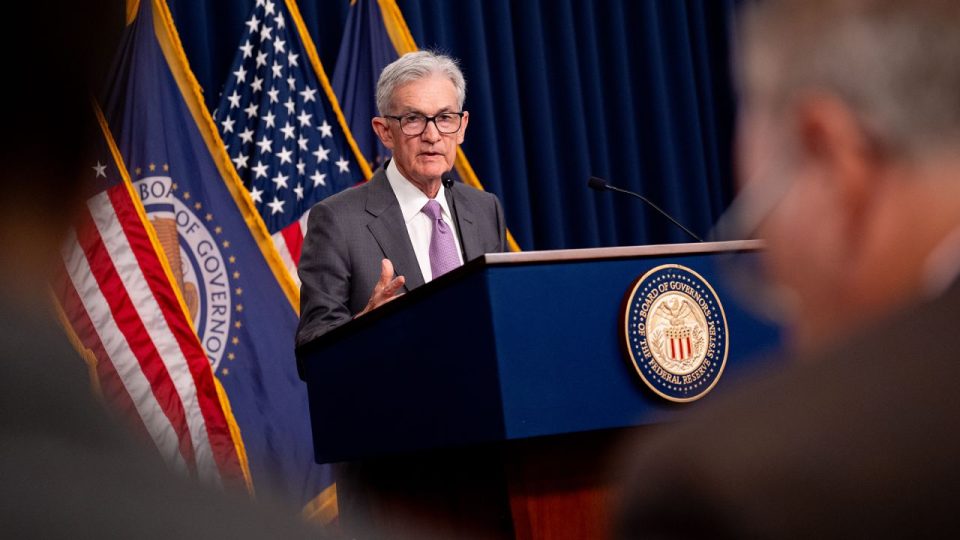
The Federal Reserve quietly steers the U.S. economy by setting interest rates and supervising banks. But its leadership change has turned contentious, exposing sharp divides over politics, transparency, and independence.
President Trump has nominated Kevin M. Warsh to replace Chair Jerome Powell. A former Fed governor from 2006 to 2011, Warsh was appointed at just 35, the youngest ever. During the 2008 financial crisis, he served as the Fed’s main liaison to Wall Street, helping firms like Morgan Stanley convert to bank holding companies and access emergency loans. Known for his caution on inflation, Warsh later joined Stanford’s Hoover Institution, where he criticized ultra-loose monetary policy for distorting markets. With Powell’s term ending May 23, 2026, the White House hopes for a mid-May handover.
Powell, however, faces a Justice Department probe launched in January. Investigators are examining whether he misled Congress about the ballooning cost of the Fed’s Washington headquarters renovation, which jumped from $1.1 billion to more than $2.5 billion. Critics claim Powell downplayed early warnings about overruns; prosecutors are weighing possible false statements under oath. Powell denies wrongdoing, calling the inquiry routine oversight.
The investigation has stalled confirmation plans. The Senate Banking Committee postponed Warsh’s April 16 hearing due to late financial disclosures, which must be filed a week in advance. Senator Thom Tillis (R–N.C.) has vowed to block all Fed nominations until the Powell probe concludes, citing concerns over political interference. Democrats share his caution, Senator Elizabeth Warren is demanding full release of investigation details first.
With the committee divided 13–11 between Republicans and Democrats, Tillis’s hold could delay a full Senate vote. Trump, meanwhile, is pressing for speed, frustrated with Powell’s slower rate cuts amid inflation and trade strains.
The standoff highlights a broader tension: the Fed’s credibility depends on staying above politics, yet accountability matters too. Protracted uncertainty could keep Powell in office temporarily and hold interest rates steady around 4.25%–4.5%. Warsh’s appointment might shift policy, he’s viewed as a moderate hawk who could tighten if inflation flares or ease if growth slows.
For now, both parties insist on due process. The White House remains optimistic, but each delay underscores how politics, even at the Fed, can ripple through markets and shape the economy’s direction for years to come.
