
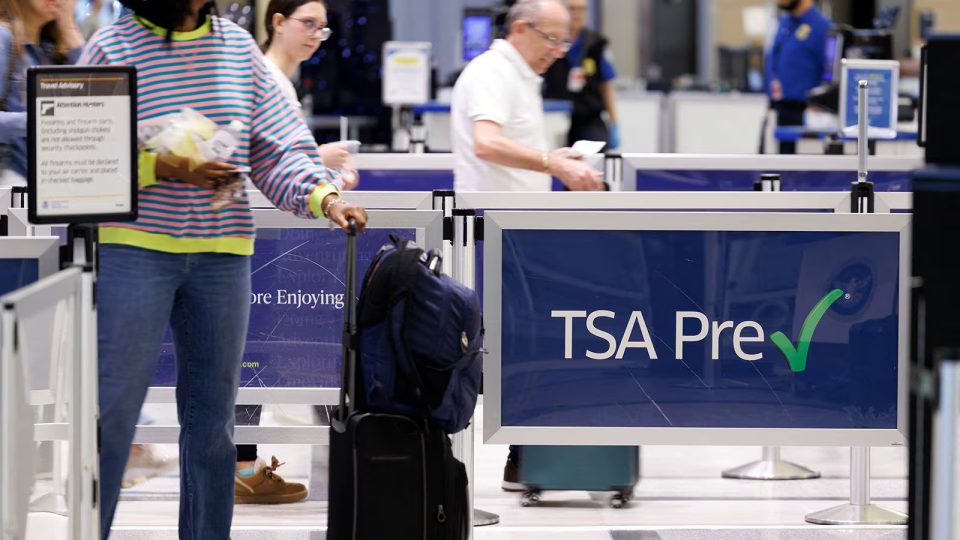
Travelers faced long lines at U.S. airports for weeks as Transportation Security Administration (TSA) workers went without pay during a Department of Homeland Security shutdown. President Trump stepped in with an executive order to get those paychecks out, even as Congress remains gridlocked. This move offers short-term relief, but it leaves many wondering about the money trail.
The Department of Homeland Security has been shut down since February, halting normal funding operations for its agencies, including the TSA. Congress holds the constitutional power over federal spending, yet talks stalled while lawmakers took a two-week recess. TSA agents screen millions of passengers daily, and without pay, morale dipped and lines grew.
The order directs the Homeland Security secretary and the White House Office of Management and Budget director to tap into other available funds. These must show a reasonable and logical connection to TSA operations to cover wages and benefits lost due to the shutdown. Agents started receiving pay earlier this week, easing immediate pressure at checkpoints.
The executive order points to funds already allocated elsewhere within the Department of Homeland Security. These come from prior appropriations or accounts that lawmakers approved before the current fiscal year ran dry. Think of it as shifting money between DHS buckets, where some dollars sit unspent from earlier budgets.
Exactly how much sits available remains unclear in public statements, but the order assumes enough exists for now. The administration frames this as a practical step to keep essential airport security running. Critics question if these funds truly fit the legal criteria for TSA use.
Supporters of the move argue it stays within the law under the purpose statute, or 31 U.S.C. 1301(a), which allows funds for activities closely tied to their original intent. TSA operations fall under DHS, so repurposing internal funds makes sense to them during a lapse. This approach echoes past shutdowns where agencies reprogrammed money to prioritize critical functions.
On the other side, skeptics highlight risks under the Anti-Deficiency Act, which bars spending outside appropriated purposes. Some legal experts call it a stretch if funds earmarked for border security or other DHS areas now go to airport screeners. They warn courts could strike it down if challenged, though no lawsuit has emerged yet.
The order buys time, perhaps enough to cover pay through the recess and into early negotiations. If Congress drags its feet, the administration might extend the approach, drawing from whatever DHS accounts qualify. Travelers notice shorter lines already, but sustained funding hinges on lawmakers returning to a deal.
Past shutdowns show agencies can stretch reprogrammed funds for weeks or months, depending on balances. Here, the focus stays narrow on TSA pay to avoid broader overreach. The White House bets this pressure will nudge Congress forward.
This executive step spotlights tensions between presidential action and congressional authority. Funds from other DHS areas keep TSA agents compensated for now, with both sides offering measured takes on its fit within the rules. As recess ends, watch if talks gain traction or if more orders follow to maintain airport flow. The balance between urgency and law shapes what comes next.
