
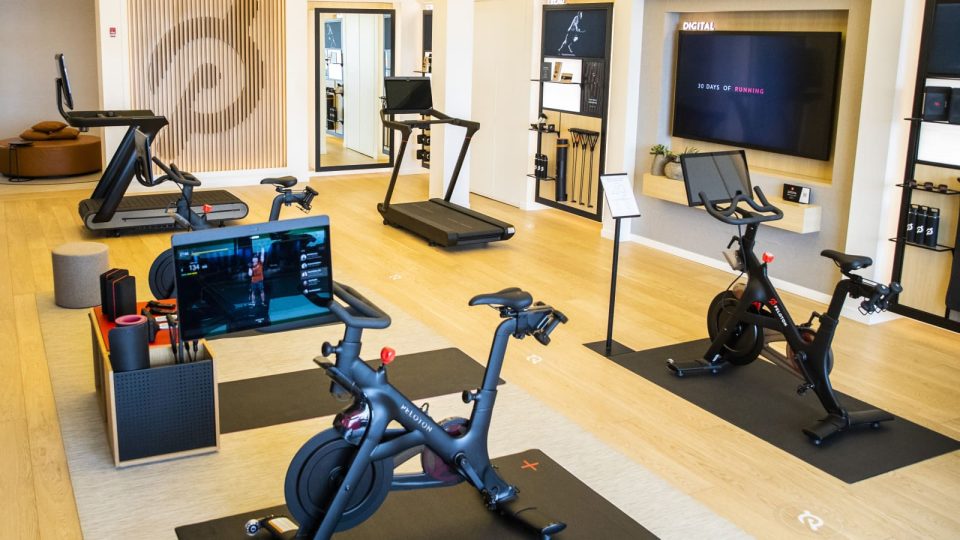
Companies in fast moving markets often face a simple truth: to keep growing, they must change how they operate. Take Peloton Interactive (NASDAQ: PTON), a name most know for sleek bikes and treadmills meant for home use. This company built its reputation during the early pandemic years when people craved workouts they could do alone. Lately though, sales to individual buyers have cooled off as life returned to normal. Now Peloton looks to gyms and high traffic fitness spots with a fresh line of tougher machines built for shared spaces.
These new offerings, called the Commercial Series Bike and Tread, aim to handle the wear and tear of public use. Shipping starts late in 2026, first reaching places like the U.S., UK, Canada, Germany, Australia, and Austria. Gym owners get bikes with features suited for classes and constant riders, plus treads that stand up to group sessions. Peloton hopes this move opens doors to steady revenue from businesses rather than one off home sales. The shift makes sense: gyms bring repeat use and predictable income streams that homes alone can not match anymore.
Peloton’s story fits a bigger pattern where consumer brands rethink their paths to survive. Look at Domino’s Pizza, a chain once mocked for lackluster taste. Back in 2010, customer complaints piled up about cardboard like crust and bland sauce. Instead of ignoring the noise, executives owned the problems in ads and revamped recipes with real changes. They showed kitchens upgrading ingredients and tested new versions openly. Sales doubled soon after, proving honesty about flaws could rebuild trust and lift numbers. Domino’s went from struggling fast food player to market leader by listening and acting.
Old Spice offers another clear example. This men’s grooming brand lingered as an afterthought for older folks until 2010. Young buyers skipped it for fresher scents. The team flipped the script with funny viral videos featuring a charismatic guy on a horse, talking directly to viewers. The campaign ditched stuffy ads for humor that spread online fast. Body wash sales doubled, and the brand grabbed back market share from rivals. Both cases show how consumer facing companies spot weak spots and pivot hard: Domino’s fixed its product, Old Spice its image.
Peloton follows suit but faces its own hurdles. Home fitness demand peaked when lockdowns kept everyone inside, then dropped as gyms reopened. Subscriber numbers for personal bikes fell, forcing leaders to explore partnerships. The commercial push taps into a gym industry that thrives on group energy and instructor led rides, areas where Peloton excels. Yet success depends on whether gym chains adopt these machines over cheaper options. Peloton Interactive plans durable builds and software familiar from home models to win over operators.
What ties these stories together holds lessons for any growth minded business. Consumer tastes shift quickly, often leaving yesterday’s stars behind. Peloton bets on its tech edge in screens and classes to crack commercial fitness. Domino’s succeeded by fixing what customers hated most. Old Spice won with personality that matched digital times. Each started with core strengths but extended them to new ground. For Peloton, gyms could stabilize cash flow if adoption grows beyond initial markets.
Businesses ignore change at their peril. Peloton’s gym entry, much like Domino’s recipe overhaul or Old Spice’s ad refresh, shows reinvention as a core skill. Gym rollout in late 2026 gives time to refine based on early feedback. If it works, Peloton joins the ranks of brands that turned slowdowns into fresh starts. Operators in targeted countries watch closely, as do investors eyeing steady paths forward. The fitness world keeps evolving, and companies that adapt first tend to lead the pack
