
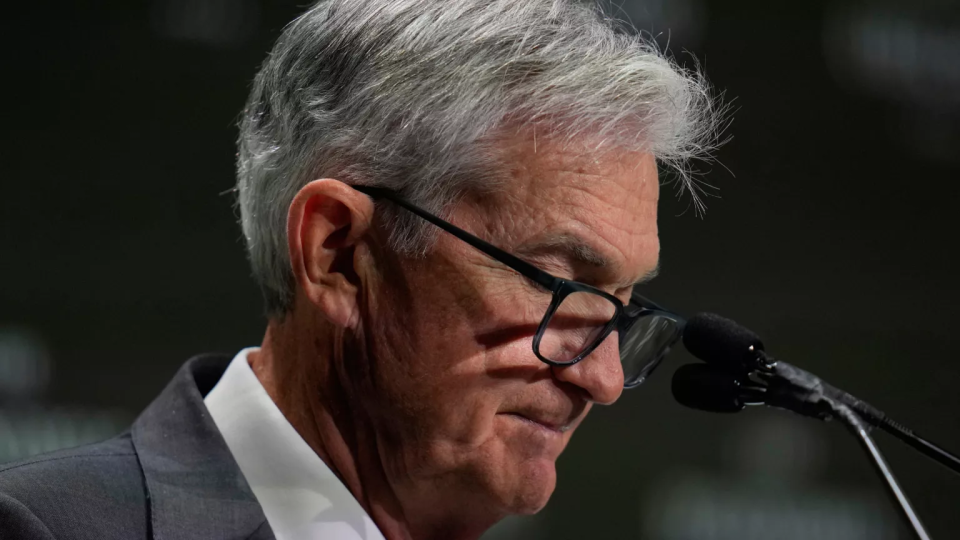
Federal Reserve Chair Jerome Powell’s testimony this week before Congress has reignited debate over the impact of tariffs on inflation and the central bank’s independence, drawing pointed criticism from some Republican senators and President Trump. Powell’s remarks come at a time when the Federal Reserve is balancing its dual mandate of price stability and maximum employment against a backdrop of political pressure and economic uncertainty.
Powell was clear in his assessment that the President’s sweeping tariffs are likely to push up inflation in the coming months. He told lawmakers that while the full impact is not yet visible, consumers will likely bear some of the cost of new import taxes. “There will be some inflation from tariffs coming,” Powell said, emphasizing that the extent of the price increases remains uncertain and will only become clear as more data emerges over the summer. He noted that businesses may still be working through inventories shipped before the tariffs took effect, delaying the impact on consumer prices.
The central bank’s latest decision to hold interest rates steady reflects its cautious approach. Most Fed officials, according to Powell, support cutting rates later this year, but want to see how inflation responds to the tariffs first. The Fed’s preferred inflation measure is expected to rise, with most Wall Street economists forecasting inflation to reach between 3% and 3.5% by year-end, up from the current annual rate of 2.4%.
Powell’s warnings about the inflationary effects of tariffs have not gone unchallenged. Some Republican senators accused him of bias, suggesting he was motivated by opposition to Trump’s trade policies rather than objective economic analysis. Senator Pete Ricketts of Nebraska argued that the tariffs might only cause a one-time increase in prices, not sustained inflation. Senator Bernie Moreno of Ohio went further, questioning whether Powell’s reluctance to cut rates was politically motivated: “You should consider whether you are looking at this through a fiscal lens or a political lens because you just don’t like tariffs,” Moreno said. Powell did not respond directly to these accusations.
President Trump has also escalated his criticism of Powell, calling him a “numbskull” and a “fool” for not reducing borrowing costs more quickly. Trump has pushed for rate cuts to lower the federal government’s interest expenses and stimulate economic growth, but the Fed has maintained that its decisions are guided by economic data, not political pressure. Trump even hinted at replacing Powell when his term ends in 2026, though legal precedent suggests the president may not have the authority to remove the Fed chair before then.
Despite the political heat, Powell reiterated that the Fed’s primary responsibility is to keep inflation in check and support maximum employment. The central bank is also monitoring the broader effects of Trump’s policies, including tax cuts, deregulation, and stricter immigration enforcement, which could affect both growth and the labor market. Powell acknowledged that while some of these policies could boost the economy, others might make it harder for businesses to find workers.
So far, inflation has remained relatively subdued, with the consumer price index rising just 0.1% from April to May. However, the threat of higher prices from tariffs has kept the Fed cautious about cutting rates too soon. Massachusetts Senator Elizabeth Warren, the senior Democrat on the banking committee, argued that the Fed would likely be cutting rates already if not for the risk of tariff-driven inflation, stating, “Trump’s chaotic tariff policies are directly causing higher costs for the American people”.
As the Federal Reserve waits for more concrete data on the impact of tariffs, the tension between economic policy and political influence is unlikely to subside. Powell’s insistence on patience and data-driven decision-making underscores the challenges facing the central bank, with both inflation and the Fed’s independence under the microscope.
