
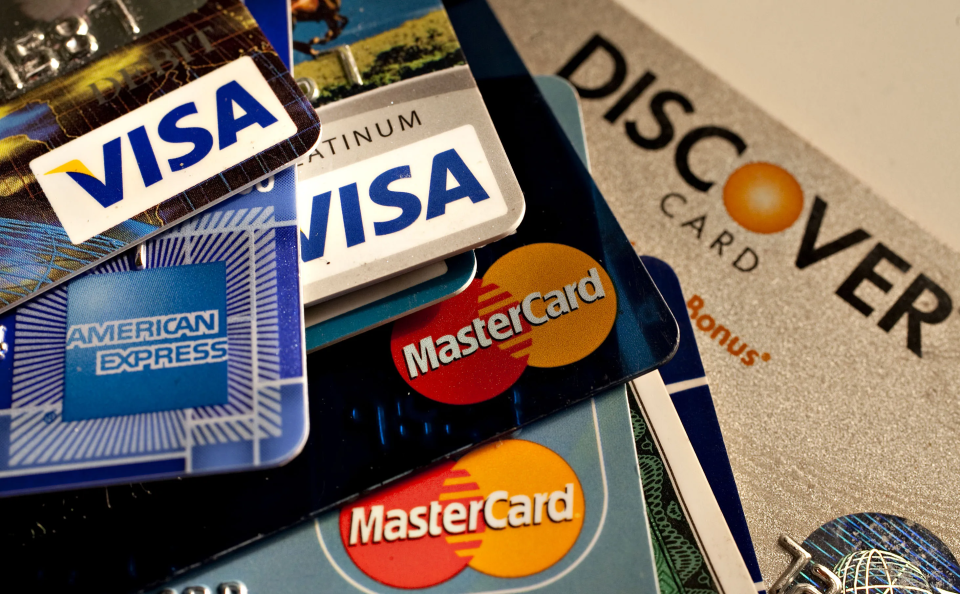
Shares of major financial institutions tumbled at today’s market open following U.S. President Donald Trump’s proposal to cap American credit card interest rates at 10%, with declines ranging from 2% to 11% for key players including Citigroup, Inc. (NYSE: C), JPMorgan Chase & Co. (NYSE: JPM), Wells Fargo & Company (NYSE: WFC), and Bank of America Corporation (NYSE: BAC). Payment companies Visa Inc. (NYSE: V), Mastercard Incorporated (NYSE: MA), American Express Company (NYSE: AXP), and Capital One Financial Corporation (NYSE: COF) also posted sharp drops in that range, as investors scrambled to gauge the ripple effects on consumer lending economics. The swift reaction underscored worries about profit squeezes in an industry built on interest income.
The proposal itself sounded simple enough. The President suggested that no credit card issuer in the United States should be allowed to charge customers an annual interest rate higher than 10% for one year. Supporters framed it as an effort to help millions of Americans weighed down by revolving debt, especially at a time when average credit card interest rates hover above 20% according to recent Federal Reserve data. To many everyday cardholders, a cap like that might sound like overdue relief.
But financial insiders quickly saw complications beneath the surface. Credit card interest rates are not arbitrary; they are tied to the cost of borrowing money, consumer risk, and broader monetary conditions. Banks typically set higher rates to offset the risk of nonpayment, which is higher in unsecured lending like credit cards. A government-mandated cap, therefore, would likely shrink revenues on an enormous scale. For institutions that earn much of their profit from interest spreads, a one-year ceiling could translate into billions in lost income.
The market reaction reflected this logic. Investors began pricing in reduced margins for credit card lenders and potential disruptions to the securitized debt market, where banks package and sell credit card receivables. Analysts at major brokerage firms noted that even a temporary rate ceiling could discourage banks from offering credit to higher-risk customers, leading to tighter lending conditions. This in turn could dampen consumer spending, which fuels a large share of U.S. economic activity.
There was also uncertainty about how a cap like this could even be enforced. Credit card interest rates are set contractually, and while the federal government has the authority to regulate national banking practices, implementing a blanket interest limit would require legislative backing or new regulatory powers. With no clear enforcement mechanism articulated, investors were left wondering whether the idea was an achievable policy or a political statement aimed at broad voter appeal.
Industry observers argue that such a cap could produce unintended consequences. While some households would benefit from lower interest costs, banks might respond by raising annual fees, tightening credit standards, or scaling back rewards programs. American consumers could find that while borrowing becomes cheaper in theory, access to credit becomes more limited in practice. Economists often point to the balance between consumer protection and market efficiency; policies that cap earnings can sometimes lead to reduced services for those they aim to help.
The broader political backdrop also added to market unease. In recent years, lawmakers from both major U.S. parties have sparred over how to rein in elevated credit card interest rates, particularly as household debt hit record highs in 2025. This announcement revived that debate, highlighting the persistent clash between populist calls for financial reform and the free‑market principles that underpin the U.S. banking system.
As trading stabilized, analysts reminded investors that proposals like this often spur short-term volatility before their practical limitations become clearer. Whether the cap gains traction or fades as a campaign promise, it has already highlighted one reality: Americans remain deeply frustrated with the cost of credit, and banks remain deeply dependent on it. The coming months will reveal whether this idea evolves into formal policy or simply lingers as a flashpoint in the larger election-year conversation about debt, affordability, and economic fairness.
