
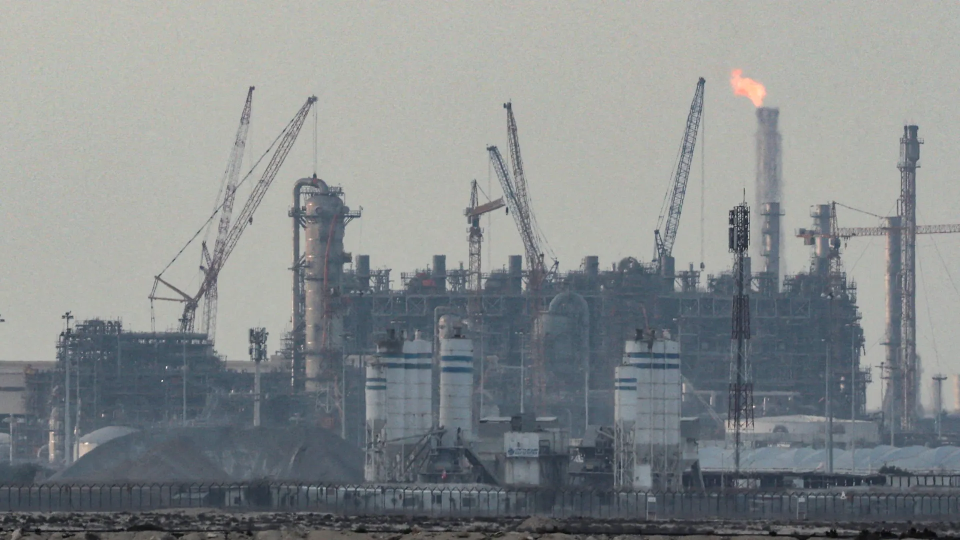
Liquefied natural gas, or LNG, keeps lights on and factories humming across the globe. Imagine natural gas pulled from deep underground, then supercooled to minus 162 degrees Celsius so it liquefies and shrinks to just 1/600th its gaseous size for easy ocean shipping. QatarEnergy runs the worlds biggest LNG operation out of Ras Laffan Industrial City, churning out 77 million tonnes a year, roughly 20% of global supply. About a week ago, Iranian drones hit that complex and support facilities in Mesaieed Industrial City amid U.S. and Israeli strikes on Iran, forcing a full production shutdown for safety. No injuries occurred, but the attacks damaged power and water systems critical to the plants. QatarEnergy confirmed the halt covers LNG plus downstream products like fertilizers and chemicals, with force majeure declared to pause contract deliveries starting April.
Tensions boiled over in the Middle East, turning a routine energy hub into a conflict zone. Retaliatory drone strikes followed U.S. led actions against Iran, with Qatar’s Defense Ministry noting precise hits on infrastructure. The Strait of Hormuz, a vital chokepoint for 20% of world oil and significant LNG tanker traffic, saw an 86% drop in vessel movements as over 700 ships waited amid threats. Qatar sits right there, so exports sit frozen. Shutting down LNG isn’t simple: operators gradually reduce gas flows, vent pressures, and cool equipment safely to prevent explosions or cracks. Restart involves firing up liquefaction trains one at a time over days or weeks to avoid thermal stress. Energy Minister Saad al-Kaabi warned the Financial Times it could take weeks to months for normal output, even if hostilities end immediately.
Major traders jumped into action. Shell plc (NYSE: SHEL, LSE: SHEL) leads as the top LNG dealer, buying from QatarEnergy and supplying clients everywhere, so it invoked force majeure on those cargoes. That legal move excuses delivery failures from events beyond control, like warfare, without fines. Shell secures about 6.8 million tonnes yearly from Qatar. TotalEnergies SE (NYSE: TTE, EPA: TTE) grabs 5.2 million tonnes but held off on its own force majeure notice so far, sources say. Both firms partner deeply with QatarEnergy on the North Field project, set to expand capacity by 2027. Further along, Omani trader OQ notified its Bangladesh buyer of supply cuts due to the upstream stoppage. March cargoes should land as planned, but gaps loom from April.
Markets lit up fast. European gas benchmarks surged over 40% in days, some spots nearing 50%, as buyers panicked. Asian prices followed suit. Losing a fifth of LNG tightens supply chains already stretched thin. U.S. facilities, now the largest producers, operate near capacity with contracts tying up most output, leaving scant flexibility for quick surges. Europe, scarred by prior Russian cutoffs, scrambles for U.S. volumes or pipeline alternatives. Heavy Qatari buyers like Japan, South Korea, and India bid fiercely for spot shipments, pitting Atlantic deals against Pacific ones. A 15 day outage might trim Qatars 2026 total by 4.3%, with longer delays worsening it. Downstream shortages hit fertilizers feeding farms worldwide. Businesses face cost hikes trickling to shoppers, slowed manufacturing, and pricier power.
Shell and TotalEnergies stayed mum publicly, prioritizing client talks. QatarEnergy pledges more details on repairs. Watchers track skies over the Gulf and Hormuz traffic hourly. Easing fights could unlock flows soon, but extended closure threatens real pain. President Trump’s U.S. energy export drive positions America to plug holes, strengthening its market grip. Firms now question heavy Gulf dependence, eyeing diversified sources. This flareup underscores LNGs vulnerability: one regions strife ripples to every gas bill and factory line, forcing quick pivots in a hyperconnected trade.
