
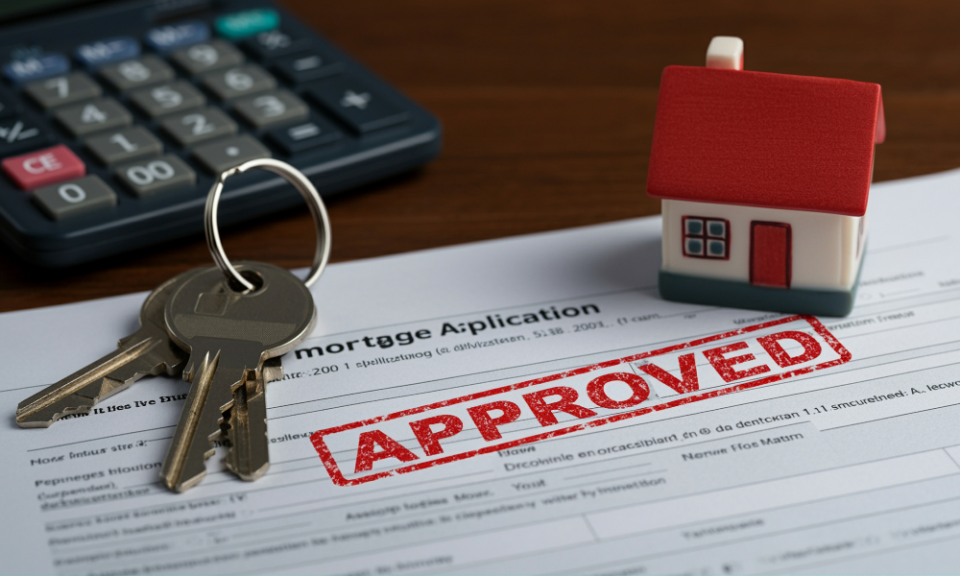
Mortgage rates in the U.S. have crept up again, now sitting at 6.34% for the average 30-year fixed-rate mortgage, up from 6.31% last week. It’s not a huge jump, but it’s enough to make homebuyers pause. On the flip side, applications to buy homes are actually picking up, this is the strongest start to November for home purchases since 2022. At the same time, refinance demand has dropped by 3% this week, which tells us that homeowners are less eager to jump into new loans right now.
Over the past year, rates have stayed stubbornly high, mostly hovering around 6.7% for much of 2025. That’s a big shift from the lows we saw a few years ago, and it’s kept a lot of buyers on the sidelines. The housing market has been stuck in slow motion, with growth expected to stay under 3% for the year. Sales of existing homes are still way below normal, and while there are a few more homes for sale, it’s still not enough to meet demand.
Why does this matter? Well, most homeowners are now locked into much lower rates than what’s available today. More than 80% of borrowers would be paying more if they sold and bought again, so they’re staying put. This “lock-in” effect means there just aren’t enough homes on the market, even though new construction is up to its highest level since 2007. Supply is still tight, and that’s a major reason why prices haven’t fallen, even with higher rates.
For buyers, the higher rates mean it’s tougher to afford a home. Even with more people applying for mortgages, the number of homes for sale is still near record lows. And it’s not just the mortgage, property taxes and insurance are also rising, which adds to the cost of buying. All of this makes it harder for people to enter the market, even if rates dip a little.
Real estate investors are feeling the squeeze too. With limited supply and high rates, there’s not much room for prices to surge. But homeowners who already have equity are in a better spot, and some of that wealth is helping to keep prices steady. If you own stocks or other assets, you might have more cash for a down payment, which can help offset the higher mortgage costs.
The broader economy is also affected. Housing is a big part of the U.S. economy, and when it slows down, other industries feel it. Homebuilders are seeing more new homes for sale, but demand isn’t keeping up. Financial services firms that rely on mortgage lending are also seeing less business, since refinance activity is down and purchase volume is flat.
Looking ahead, most experts think rates will stay high through the end of 2025, with only a small drop expected. That means the housing market will probably stay in its current state, neither booming nor crashing, but moving forward at a cautious pace. Homebuyers, investors, and related sectors will need to keep adjusting, balancing the realities of higher rates with the opportunities that come from limited supply and steady, if slow, price growth.
