
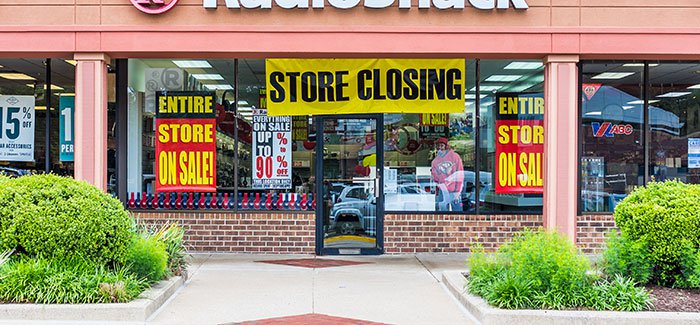
Allbirds Inc. (NASDAQ: BIRD) made headlines this week by deciding to shut down all its full-price stores across the U.S. The company plans to keep just two outlet stores open in the country and two full-price locations in London. This change aims to help the business make more money by focusing efforts on selling through its website instead of maintaining expensive physical spaces.
Retail has long meant walking into a store to browse and buy. Companies like Allbirds built their brand around comfortable, eco-friendly shoes sold in attractive shops. But running those stores comes with high costs: rent, staff salaries, utilities, and upkeep add up quickly. Now, many retailers see e-commerce as a smarter path because it reaches customers everywhere without those overhead expenses. Customers order online, products ship directly, and returns get handled through mail. This setup lets companies test new items faster and adjust based on real sales data.
The reasons behind this shift go deeper than costs. Shoppers habits changed a lot after the pandemic. People got used to buying everything from groceries to clothes online. Surveys show over 60% of U.S. consumers now prefer digital shopping for convenience, with many citing avoiding crowds or saving time. Retailers also face rising rents in prime locations and labor shortages that make staffing stores tough. Data from industry reports points to e-commerce sales growing 15% yearly while physical store traffic stays flat or drops. For brands like Allbirds, which started as a direct-to-consumer company, leaning into websites matches how they built their audience through social media and email marketing from the start.
This move is not happening in isolation. Other U.S. retailers have taken similar steps over the past year to prioritize online channels. Take Warby Parker (NYSE: WRBY), which closed dozens of stores in 2025 while expanding its app and home try-on program. The eyewear company found that 70% of its sales came through digital anyway, so it cut back on leases to invest in virtual fittings powered by AI. Similarly, Peloton (NASDAQ: PTON) shuttered most of its retail showrooms last summer, shifting to a subscription model where customers buy bikes and join classes entirely online. Their leaders noted that physical demos drew crowds but converted only 20% to sales, compared to higher rates from targeted web ads.
Another example comes from Urban Outfitters (NASDAQ: URBN), through its Anthropologie brand. It closed underperforming full-price locations in mid-2025 and funneled resources into its e-commerce site, which now handles 40% of total revenue. These companies share common threads: they analyzed foot traffic data, saw declining returns on store investments, and bet on personalization tools like recommendation engines to boost online conversions. This trend reflects broader numbers, with U.S. e-commerce accounting for 22% of all retail sales in 2025, up from 14% three years earlier.
Looking ahead, retail’s future blends both worlds but tilts heavily digital. Expect more hybrid models where brands use pop-up shops or outlets for brand experiences while core sales happen online. Technology will play a big role: augmented reality for virtual try-ons, same-day delivery via drones or lockers, and AI chatbots for customer service. Challenges remain, though. Not everyone shops comfortably online, especially older generations or rural folks with poor internet. Returns also cost retailers about 30% of online orders, straining profits. Success will depend on balancing digital scale with trust-building touches like free shipping and easy exchanges.
Brands that adapt early often see gains. Allbirds hopes this pivot lifts margins from current lows around negative 50% to break-even within two years by cutting store costs that ate 25% of revenue. Investors watch closely, as shares of similar shifters like Warby Parker rose 25% post-announcement. The lesson for retail seems clear: flexibility rules in a world where customer paths to purchase keep evolving.
