
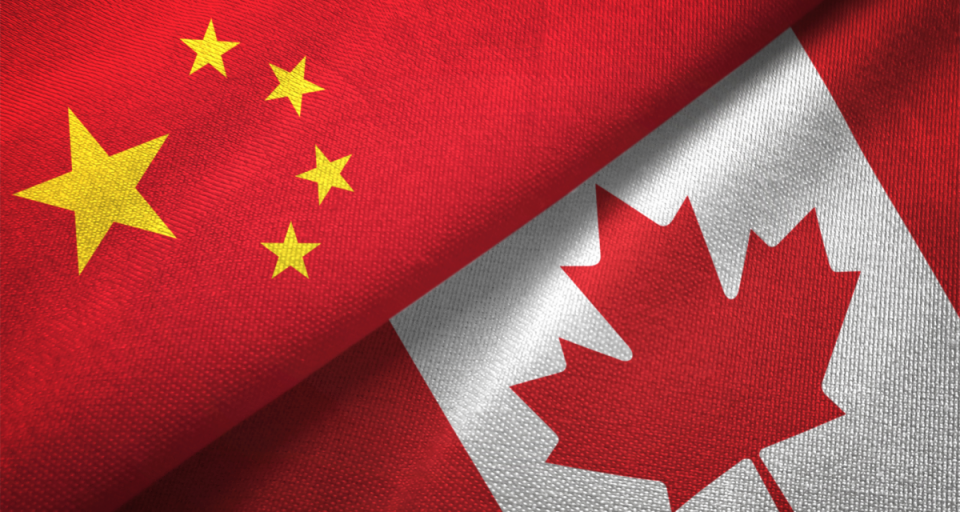
Canada’s Prime Minister, Mark Carney, is set to visit Beijing this week, marking his first official trip to China as the country’s leader. The visit comes at a time of shifting global dynamics, as the U.S. President’s “America First” agenda continues to reshape international trade. Long reliant on selling most of its goods to its southern neighbor, Canada is now looking farther afield to strengthen its economic position.
Carney’s visit carries weight because it addresses an alternative to Canada’s heavy dependence on the U.S. market. About 75% of Canadian exports head south, fueling jobs and growth through deals like the United States-Mexico-Canada Agreement (USMCA), a free trade pact between the United States, Mexico, and Canada. Trump’s policies, including potential tariffs on steel, autos, and energy, threaten that stability. His administration prioritizes U.S. interests, prompting Canada to seek balance elsewhere. China, as the world’s second-largest economy, offers a logical next step with its appetite for Canadian resources like oil, LNG, and canola.
This trip stands out historically too. The last Canadian Prime Minister to visit China was Justin Trudeau in 2017, focused on free trade exploration. That effort faltered amid tensions over Huawei executive Meng Wanzhou’s arrest in 2018, leading to diplomat detentions and export bans on Canadian products. Relations hit a low, but recent thaws, including consular releases and resumed science ties, set the stage for Carney’s arrival roughly nine years later. His agenda includes meetings with President Xi Jinping and talks on energy, clean tech, and agriculture, aiming to rebuild commercial bridges.
Canada’s drive to diversify arises from practical risks. Overreliance on one partner exposes the economy to shocks, as seen in past tariff spats that cost exporters millions. Trump’s signals of 25% duties echo 2018 actions, disrupting supply chains still recovering from global upheavals. Businesses in provinces like Saskatchewan and Alberta eye China’s demand to offset this. The government targets doubling non-U.S. trade over the next decade, blending pragmatism with caution on security and human rights. Carney’s economic background as former Bank of Canada and Bank of England governor equips him to navigate these talks.
For business audiences, the implications run deep. Success here could mean steadier revenue for energy firms, new markets for farmers, and joint ventures in renewables. Carney plans investment forums and people-to-people exchanges to foster trust. Yet challenges persist, from China’s regulations to balancing U.S. relations amid CUSMA reviews. Saskatchewan Premier Scott Moe joins parts of the trip, highlighting provincial stakes in canola and potash deals. Early outcomes might include memoranda on supply chains, benefiting exporters right away.
Geopolitical flux adds layers. Trump’s focus on domestic resurgence forces allies like Canada to adapt without burning bridges. This visit reflects a broader strategy, akin to overtures toward Europe and India, but China’s scale makes it pivotal. Carney must weigh economic gains against frictions like intellectual property or 5G disputes. His parliamentary secretary notes a desire to recalibrate ties for mutual partnership.
Carney’s handshake in Beijing could unlock contracts worth billions in energy, agriculture, and clean technology, steadying nerves rattled by U.S. tariff headlines and volatile supply chains. Canadian executives face a clear call: scout Asian opportunities now, build compliant supply lines, and tap export aid programs before competitors lock in first mover deals. Trade lines redraw fast in this climate; firms that pivot quickest, with eyes on both risk and reward, will not just survive but lead the next growth wave.
