
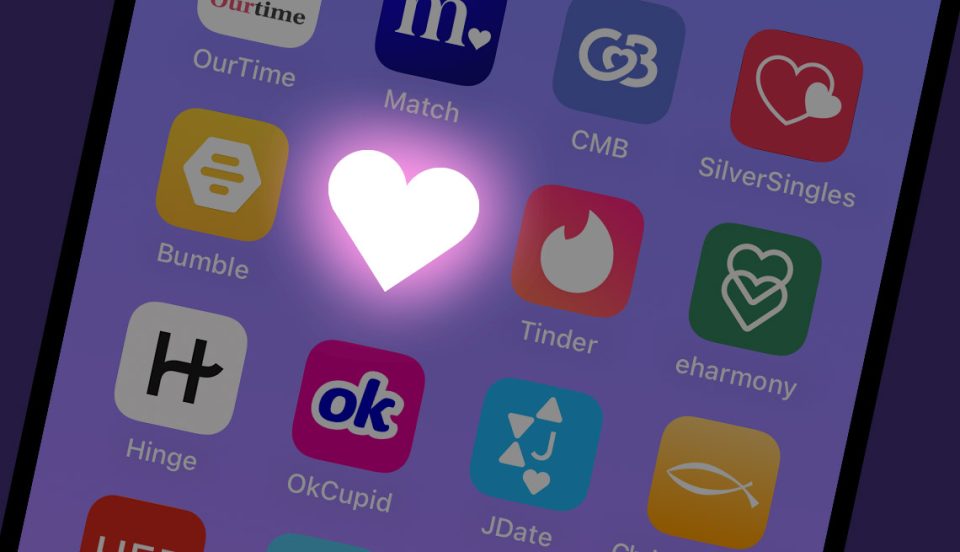
People in the U.S. still turn to online dating apps in large numbers. About 30% of adults have used one at some point, and that number has stayed consistent over recent years. In 2025, daily active users across major platforms reached over 50 million in the U.S., with downloads climbing a modest 3% from the year before. These apps fill a real need for busy folks looking to meet others without relying solely on chance encounters.
The industry thrives on younger users. Gen Z adults, roughly those born from 1997 to 2012, now account for 40% of new downloads, a jump from 25% just five years back. They prefer apps with video chats and prompts for real talk over basic swiping. Surveys show 65% of them make stronger offline connections through these features. Premium options, priced from $10 to $30 a month, brought in $2.8 billion from this group in 2025, a 5% increase.
Total U.S. revenue for dating apps hovered around $5.5 billion last year, flat compared to prior periods. Free users stick around longer, delaying upgrades and creating a plateau. Still, daily logins hit 75 million nationwide, proving apps remain woven into social routines. Over half of marriages in the U.S. now trace back to online starts, a trend steady since 2020.
Saturation shows up clearly among singles aged 18 to 29, where 80% already have profiles active. User costs to acquire new ones rose 15% in 2025, pushing companies to refine what works. Gen Z skips older swipe-heavy apps for ones like those emphasizing quality matches at twice the rate they did in 2023. They want less scrolling and more substance, like shared interests upfront.
Match Group (NASDAQ: MTCH) reflects these shifts as owner of Tinder and Hinge. Its recent quarterly update highlighted Tinder’s paying users easing back amid market maturity, while Hinge gained from users drawn to conversation starters. The company plans $60 million in spending this year on AI matching and new tools to better suit younger tastes.
Competition heats up with niche players. Apps for specific groups, like those for professionals or hobbyists, saw 20% download growth in 2025. Video dates and AI icebreakers cut ghosting by 30%, per user feedback. Revenue splits evenly between subscriptions and in-app buys, with 60% of users trying free tiers first.
Global downloads topped 250 million in 2025, but U.S. focus stays on retention over raw numbers. Women, now 45% of users up from 35% a decade ago, report higher satisfaction with safety features like photo verification. Men drive volume, logging in daily at higher rates, though conversion to paid stays under 10%.
Industry leaders test virtual events and gamified chats to combat fatigue. With 370 million worldwide users, the space feels crowded, yet 25% of U.S. adults cite apps as their main way to date. Economic pressures play a role too; inflation kept free options popular, even as premium perks tempt upgrades.
Apps endure because they adapt to life changes. Post-pandemic, hybrid work boosted midday swipes, and remote moves made digital intros essential. Gen Z prioritizes mental health filters and value alignment, reshaping what success looks like beyond likes.
The online dating industry holds strong ground in the U.S. Users demand evolution toward authentic bonds, and platforms that listen keep pace. As tastes refine, expect more tools blending tech smarts with human warmth to sustain this daily habit.
