
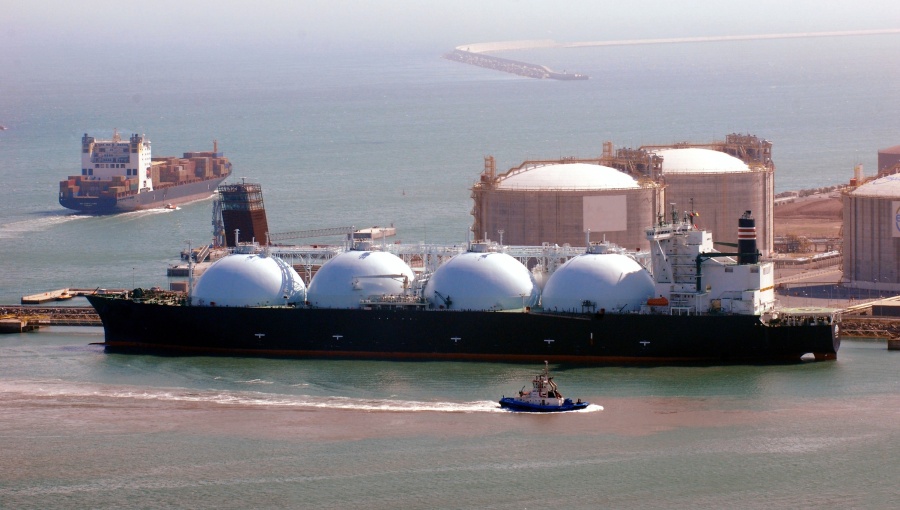
Shares of U.S. liquefied natural gas companies are enjoying a burst of momentum after a historic transatlantic energy agreement sent ripples through global markets. Following the announcement that the European Union will buy $750 billion of energy from the United States over three years, investor optimism has been running high. Firms like Cheniere Energy, Venture Global, and NextDecade saw their stocks jump as this news rewired expectations about the next chapter of U.S.-European energy relations.
The scale of this deal is remarkable. European Commission President Ursula von der Leyen, who met with U.S. President Donald Trump to finalize the agreement, put it simply: the move will push Europe further away from Russian energy, leading the bloc to replace Russian oil and gas with American liquefied natural gas (LNG), oil, and nuclear fuels. The $750 billion in purchases, spread over three years, averages out to about $250 billion annually in U.S. energy products. For context, the EU imported less than $80 billion in energy from the U.S. in 2024, illustrating the scale-up now proposed and the underlying ambition for energy independence on Europe’s part.
For U.S. LNG producers, this is more than just a major sales boost. It is also a validation of ongoing investments in export capacity and a clear signal that transatlantic energy flows will remain robust. LNG developers saw their market value jump by 3.5% to nearly 7% on the news, while the S&P 500 energy sector rose roughly 1% as investors recalibrated their outlooks. Companies that focus on building new infrastructure, such as New Fortress Energy and NextDecade, have also seen their stocks rise by at least 2% in the wake of the announcement. With the United States having claimed the title of the world’s top LNG exporter in 2023, this fresh vote of confidence from Europe only strengthens the long-term rationale for further American investments in LNG terminals and pipelines.
The driving motivation behind the EU’s decision is both pragmatic and political. “We still have too much Russian LNG that is coming through the back door,” von der Leyen commented, making it clear that the purchases are as much about geopolitical leverage as they are about energy pricing or security. By locking in these new supplies, Europe hopes to weather future shocks and avoid being drawn into energy disputes that have historically disadvantaged the bloc, especially during times of tension with Russia.
But turning this massive framework agreement into reality will not be without challenges. Analysts caution that both the volume and the timeframe are ambitious. Delivering such large volumes will require continued investment and construction on both sides of the Atlantic. The current output of U.S. energy exporters, while impressive, fell well short of these figures as recently as last year, with total U.S. energy exports topping just over $330 billion in 2024. Experts also warn that, as the EU cranks up demand for American LNG, global gas prices may face additional volatility, with the possibility of oversupply looming.
Strategically, the trade deal offers perks for both sides that extend past the headline energy numbers. The arrangement includes a 15% U.S. import tariff on most European goods, which is less steep than initially feared by EU exporters. Europe also pledged an extra $600 billion in investment into the U.S., much of it ear-marked for military equipment and infrastructure. Meanwhile, the U.S. agreed to keep tariffs flat on some big-ticket European exports, giving manufacturers on both sides a measure of stability.
All told, this massive push to rewrite Europe’s energy playbook is more than just grandstanding. It is a signal of the changing geopolitical reality and the new muscle of U.S. energy companies.
