
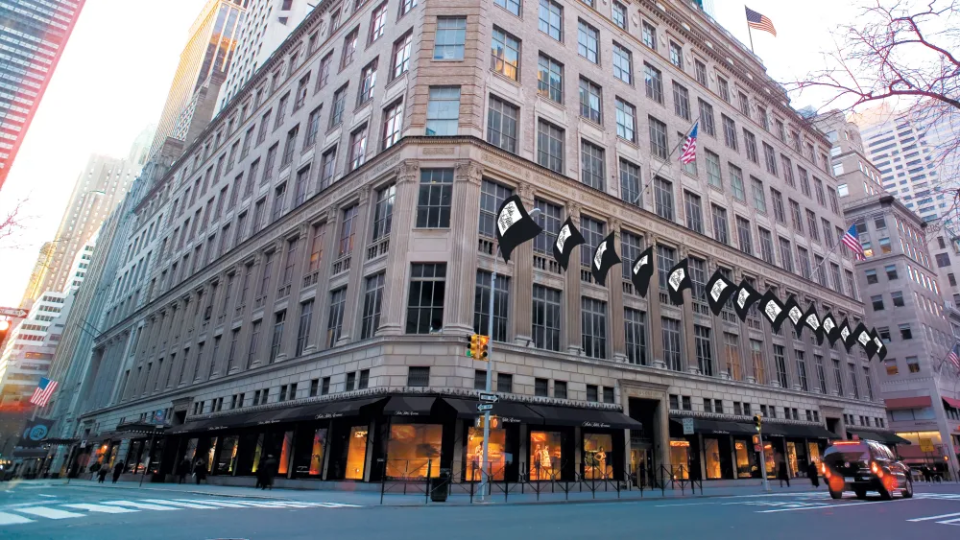
Saks Global, the parent company of Saks Fifth Avenue, Neiman Marcus and Bergdorf Goodman, has become a vivid example of what can happen when a large retailer takes on major debt at a time when the U.S. retail landscape is already under stress. Recent filings show that the company has sought Chapter 11 bankruptcy protection after struggling to meet its obligations in the wake of its 2024 acquisition of Neiman Marcus for about $2.7 billion. Reporting indicates that the company has been running short of cash and has faced growing difficulty paying suppliers and servicing its debt, which pushed it to seek court protection while it tries to reorganize. Business Insider and other outlets have described investors as skeptical that the group can successfully restructure, a sentiment that has made it harder for Saks Global to secure fresh financing on favorable terms.
The decision to buy Neiman Marcus came at a time when department stores in the U.S. were already dealing with years of pressure from online competitors, shifting consumer habits and the lingering effects of the pandemic on foot traffic. By agreeing to a $2.7 billion deal, Saks Global effectively increased its exposure to many of the same challenges it already faced, only now across more banners and more locations. Integrating another high-end chain is complex in the best of times, but the timing meant the company had to manage overlapping store networks, technology systems and inventories in a climate of rising interest rates and cautious discretionary spending.
The bankruptcy filing itself highlights how tight the situation has become. Reports indicate that Saks Global entered Chapter 11 after missing a large interest payment in late 2025 and after warning lenders that cash was running low. Coverage has noted that the company lined up roughly 1.75 billion dollars of debtor in possession financing to keep stores open while it works through the restructuring process, but that this funding was not simple to arrange because many lenders were worried they might not be repaid in full. These concerns have fed speculation that parts of the business could be sold, and that some locations might ultimately be closed if a reorganization plan cannot restore sustainable profitability.
To understand why this matters, it helps to step back and look at what has been happening to large retailers more broadly in the U.S. over the past two years. Industry data suggest that thousands of stores closed across the country in 2024 and 2025 as chains ranging from apparel brands to big box retailers reassessed their fleets and tried to cut underperforming locations. Analysts point to a combination of factors, including higher borrowing costs, elevated wages, persistent shrink from theft and tighter household budgets that leave less room for discretionary shopping trips. In this environment, even companies with strong brands can find it difficult to justify every store, especially in markets where online sales have taken a permanent share of demand. Factoring industry reports, U.S. retail closure surveys
Bankruptcies have been part of this story as well. Trade publications that track insolvencies reported a noticeable rise in U.S. retail bankruptcy filings in 2025, with both smaller specialty chains and well known national names seeking court protection. The pattern often looks similar: a business carries significant debt from prior buyouts or expansions, faces weaker than expected sales, and then runs into problems refinancing loans as rates climb and credit conditions tighten. When that happens, companies can find that what once looked like a manageable capital structure becomes a serious constraint on everyday operations. Industry bankruptcy trackers, U.S. court filings
Saks Global fits many of these themes, but with the added complexity of operating at the high end of the market. Luxury shoppers are less sensitive to short term economic swings than the average consumer, but they are not immune. There has been evidence that even wealthy customers have become more selective, choosing experiences, travel or resale platforms over frequent department store visits. At the same time, luxury brands themselves have been investing heavily in their own direct to consumer channels, which can dilute the role of multi brand department stores as the primary gateway to high end fashion.
The result is that large department store groups find themselves squeezed from multiple directions. They face higher costs for labor and financing, a need to keep investing in digital platforms and fulfillment, and customers whose expectations have shifted toward more personalized and convenient experiences. When a company like Saks Global adds another major chain through an acquisition, it is betting that scale, broader assortments and potential efficiencies will more than offset these pressures. If those benefits do not materialize quickly, or if the macro backdrop turns less favorable, the added debt can amplify every challenge. Law review analysis of Saks Neiman Marcus merger, academic commentary on retail consolidation.
The Saks bankruptcy is less a story about one company stumbling and more a sign of how delicate the balance has become for large retailers in the U.S. The case illustrates how strategic moves that look logical on paper, such as combining two luxury groups to gain clout with brands and landlords, can backfire if executed in a period of tightening credit and changing consumer behavior. As the restructuring process unfolds, other large retailers will be watching closely to see what lessons emerge about how much debt is too much, how fast is too fast for expansion, and how to adapt when the old department store model no longer matches how customers want to shop.
