
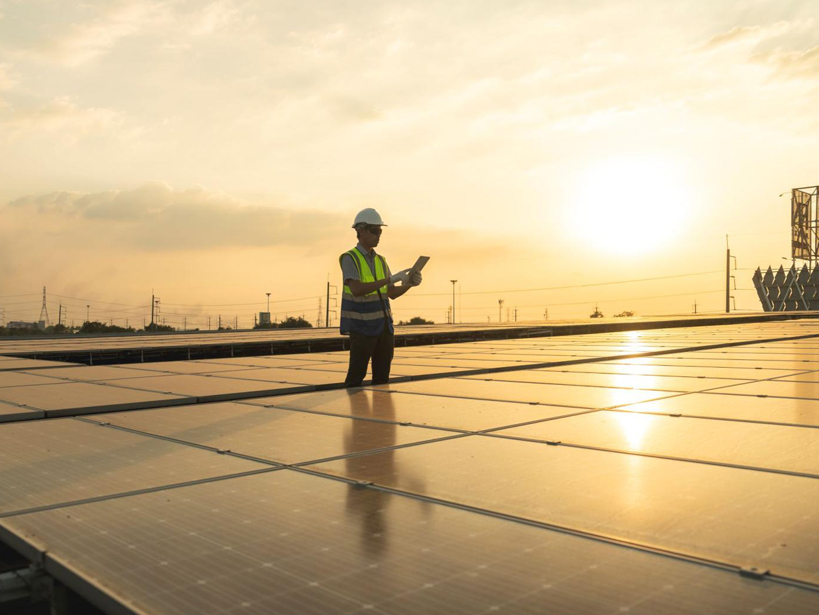
Sandoz Group AG (SIX: SDZ, OTCQX: SDZNY), long recognized for its impact in making medicines more accessible through generics and biosimilars, is pushing further into the sustainability space. The company announced a ten-year virtual Power Purchase Agreement with Elawan Energy to support new solar energy projects in Spain, a move that will soon power nearly 90 percent of Sandoz’s electricity needs across its European operations.
The deal, covering 150 megawatts of freshly built solar installations in Valladolid, marks a significant milestone in the company’s commitment to decarbonizing its business. It isn’t just about hitting numbers on an energy dashboard. Sandoz is tying its future and reputation to concrete environmental results, and the impact of that starts in day-to-day operations at dozens of strategic sites throughout Europe.
The company’s Chief Manufacturing and Supply Officer, Glenn Gerecke, cut right to the heart of the issue, noting that responsible resource use is becoming inseparable from responsible business. This partnership will knock down Sandoz’s carbon footprint in a major way, cementing solar energy as a near-daily reality for its manufacturing and administrative teams. Sandoz’s approach is not just about compliance or good optics; it’s a recognition that real climate progress depends on long-term, multi-site commitments that transform the energy mix from the ground up.
This isn’t Sandoz’s first foray into renewable power, but the Elawan agreement stands out for its scope and ambition. While other industries have hesitated or chosen the path of least resistance with smaller green procurement efforts, Sandoz is showing how a global pharmaceutical company can tie substantial operations to renewable energy and stick with it for the long haul.
Stepping back, the timing of this announcement matters. Last year, Sandoz publicly pledged to the Science Based Targets Initiative, promising to set and validate meaningful emission reduction targets in line with international climate science. The company has committed to finalized, science-backed plans by January 2026, setting the stage for serious accountability, something that investors and the general public are increasingly demanding from industry leaders.
What Sandoz brings to the table is more than aggressive target-setting. This is a business built on a history of “firsts,” from launching the world’s first oral penicillin to offering the first approved biosimilar medicine. As of last year, Sandoz’s more than 20,000 employees from over 100 countries supplied 900 million patient treatments globally, generating over $10.4 billion in sales and ensuring that its decisions don’t just ripple through the pharmaceutical world, but across entire health systems and supply chains.
Sandoz’s investment in Spanish solar could become a model for other multinationals who want to do more than pay lip service to sustainability. It demonstrates that major corporate actors can work with renewable energy specialists like Elawan to build new capacity, rather than simply buying clean power credits after the fact. The result isn’t just a shuffling of numbers, it is actual, operational decarbonization that should be felt in energy grids and environmental data for years to come.
As Sandoz continues to grow and set standards for both access to medicine and responsible corporate citizenship, this renewable partnership in Spain might just be the most recent example of how much can change when business priorities and climate goals align. The next major test will be how, and how fast, others in the industry follow suit.
