
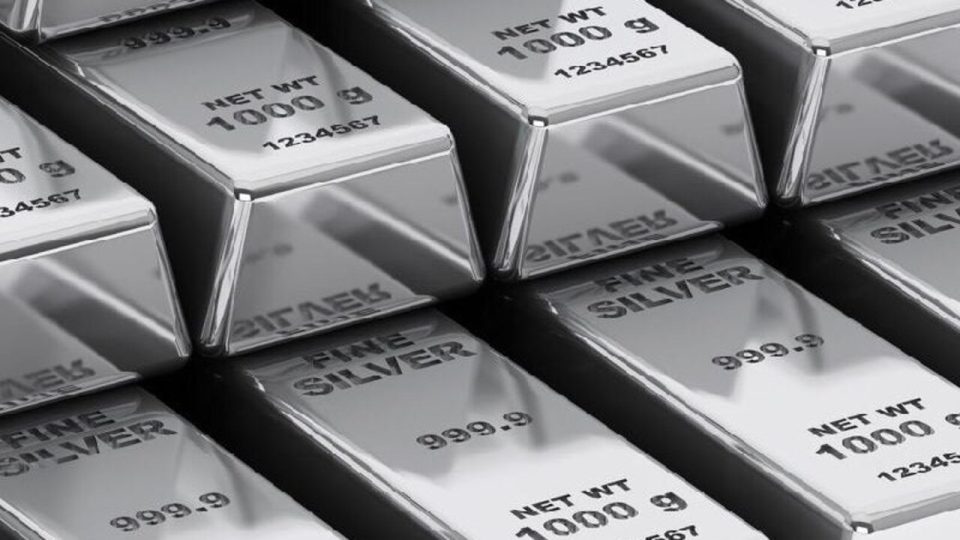
Silver trades near $73 per ounce today, down sharply from its late January peak of $121.64. For business readers new to commodities, this kind of swing shows how metals prices connect to economic signals and investor choices. Silver serves both as an industrial material in solar panels and electronics and as a store of value like gold. When prices climb fast, excitement builds. When they fall, questions arise about what comes next.
A mix of factors drove silver from that high. Strong U.S. jobs reports in early February pointed to a robust economy. This led markets to expect the Federal Reserve to keep interest rates higher for longer. Higher rates push investors toward yield bearing assets, making silver less attractive since it pays nothing. A broader sell off in stocks added pressure. Traders dumped precious metals to cover losses in other positions, triggering margin calls that sped up the decline. Talk of Kevin Warsh as the next Fed chair under President Trump strengthened the dollar. A firmer dollar makes dollar priced silver costlier for foreign buyers, curbing demand. Thin trading during Chinese New Year holidays amplified swings, as fewer participants meant bigger reactions to each trade.
Silver miners track the metal’s price closely due to their business model. Revenue rises or falls with ounces sold, while many costs stay fixed. This creates leverage. A price gain boosts profits sharply. A drop cuts them just as fast. From the January peak, silver miners saw shares rise 50% to 100% in many cases as profits looked richer. Now with silver down 40%, stocks have retreated 30% to 60% from those highs. This reflects not just lower revenue forecasts but also investor caution about cash flows funding operations and expansions.
As an example, Hecla Mining Company (NYSE: HL) leads U.S. silver production, with over 90% of revenue from silver mines in Alaska, Idaho, and Canada. Its shares climbed from around $4.46 to a year high near $34.17 by late January, fueled by visions of sustained high silver prices padding earnings. Since the peak, the stock has fallen back to about $20.59, down over 40%, as thinner margins from lower silver squeeze results.
Pan American Silver Corp. (NYSE: PAAS, TSX: PAAS) runs nine silver mines across Latin America, with silver making up roughly 95% of output. The stock rose from mid $20s in early 2025 to peaks above $66 during silver’s rally, as higher prices promised stronger cash flows from assets in Peru and Mexico. It now sits around $53, off nearly 25% from highs, hit by revised lower revenue outlooks and rising energy costs.
Endeavour Silver Corp. (NYSE: EXK, TSX: EDR) centers on high grade mines in Mexico, with 98% silver focus. Shares surged to over $15 at the January top, riding silver’s momentum toward better profitability at Guanacevi and Bolanitos. The pullback brought it to roughly $10.75, a 28% drop, underscoring vulnerability to spot price drops without gold diversification.
These examples illustrate silver miners’ tight link to the metal. Gains amplify during upswings. Declines hurt more on the way down. Companies counter this with cost controls and some hedging, but sentiment drives short term moves. Supply shortfalls persist from mine issues, while demand grows 15% yearly in solar uses. If silver finds footing at $70, stocks may steady. Further economic strength could test lower levels. For those exploring commodities, this cycle highlights timing and diversification needs.
