
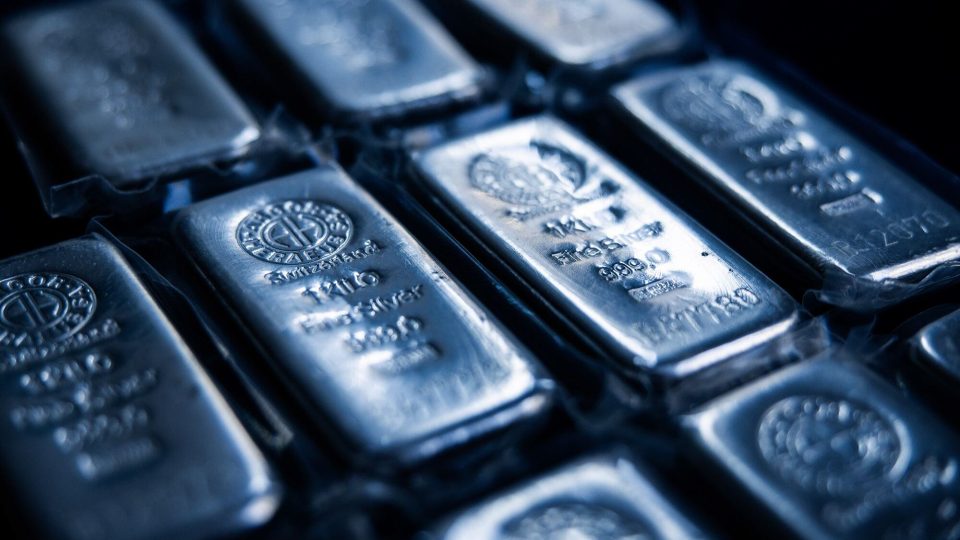
Silver prices touched an intraday high of $62.14 per ounce today before easing back toward $61.00, marking a stunning climb from the April low of $27.54, and marking a new record high. That works out to a 125.6% increase over roughly eight months, a pace that outstrips many commodities and grabs attention from investors and industries alike. Think about it: silver was hovering in the upper $20s just as spring began, and now it sits more than double that level, reflecting forces that go beyond simple speculation.
Several threads weave together to explain this momentum. Industrial demand leads the charge, especially from sectors exploding in growth. Data centers, those power-hungry hubs for artificial intelligence and cloud computing, gulp electricity and need cooling systems where silver shines for its top-tier conductivity. Electric vehicles add fuel to the fire; each battery and electronic component relies on silver for connections that demand reliability under heat and vibration. Then come solar panels, where silver paste forms the circuits capturing sunlight, and with global renewable pushes accelerating, that usage keeps climbing. The Silver Institute notes industrial consumption hit 654 million ounces last year, up 15% from prior periods, and projections point even higher.
Supply tells the other half of the story, and it struggles to keep up. Primary silver mines produce only about 30% of global supply, with most coming as byproducts from copper, lead, and zinc operations. When those base metals face their own headwinds, like lower ore grades or mine slowdowns, silver output lags. Mexico and Peru, top producers, deal with regulatory hurdles and labor issues that crimp expansion. Meanwhile, recycling efforts help but cannot fully bridge the gap; total supply grew just 1% annually in recent years while demand rose 5% or more. This mismatch creates upward pressure, especially as inventories at exchanges like COMEX dwindle to multi-year lows.
Macro forces amplify the squeeze. Looming tariffs, particularly those floated under the current U.S. administration, threaten to hike costs for imported goods and spur domestic manufacturing, both heavy silver users. Inflation lingers in the background, prompting investors to eye precious metals as hedges, though silver’s dual role as industrial metal tempers that effect compared to gold. Interest rates play in too; lower real yields make holding non-yielding assets like silver more appealing. Geopolitical tensions, from trade frictions to supply chain worries, add a risk premium that savvy traders pile into futures contracts, pushing spot prices along.
Who feels the benefits and strains? Silver producers see windfalls as higher prices boost margins, letting them fund new projects or return cash to shareholders, though operational costs rise with labor and energy too. Manufacturers in electronics and autos face thinner profits unless they pass costs to consumers, potentially slowing adoption of green tech if prices stay elevated. Investors holding physical silver or related funds enjoy paper gains, but the broader economy watches for inflation signals; persistent commodity spikes can feed into consumer prices for everything from cars to gadgets. Central banks monitor closely, as these moves hint at deeper shifts in trade and technology.
Commodity cycles like this one remind us how interconnected modern economies are. Silver’s path from $27 to over $60 underscores bets on electrification and computing power, even as supply chains groan under the weight. Whether this peak holds or pulls back depends on how fast new mines come online and if demand softens with economic cooling. For now, the metal’s story captures a world racing toward tech-driven futures, one ounce at a time.
