
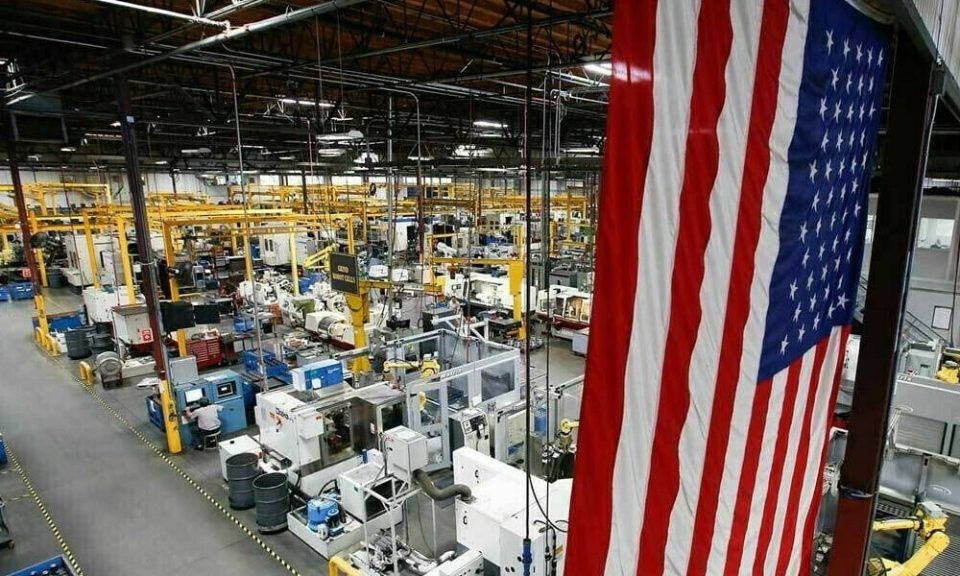
U.S. business activity just marked its weakest point in six months. Growth in the S&P Global U.S. Composite Purchasing Managers’ Index dropped to levels not seen since June, pulled down by shrinking orders in both manufacturing and services. This slowdown caps a bumpy year where early optimism gave way to caution.
Manufacturers point to softer demand as the main culprit. New orders fell sharply, with companies reporting delayed or canceled purchases from customers facing their own budget squeezes. Tariffs on imported parts and materials have jacked up costs, forcing firms to rethink supply chains and hold off on hiring. One factory manager in transportation equipment noted permanent staff cuts and shifts to offshore production to dodge these expenses. Sectors like textiles, wood products, and chemicals took the hardest hits, while a few areas such as computer products eked out gains. Higher input prices lingered despite weaker demand, keeping inflation pressures alive around 58% on ISM surveys.
The services side mirrors this caution, though less intensely. Business activity there contracted as clients pulled back on spending, hit by similar economic jitters. Hiring freezes spread, with employment sub-indexes dipping below growth thresholds for months. Supply chain snags added friction, as longer delivery times disrupted planning even as overall demand eased. Service providers in areas tied to construction, like adhesives suppliers, blamed tariffs and uncertainty for dampened orders. This marks eight straight months of contraction in key metrics, signaling challenges beyond a quick fix.
Trade policies under President Trump loom large over both sectors. Manufacturers import about a third of their inputs, and new duties have squeezed margins, leading to price hikes of up to 24% in some cases. Firms froze capital spending and let go of skilled roles in engineering and IT to survive. Economists note these tariffs suppress demand by raising costs, which trickles down to fewer workers needed. Even potential winners from protectionism hesitate amid global demand softness and planning headaches from shifting currencies and contracts. The ISM forward-looking orders index stayed in contraction territory for nine of ten recent months.
These trends compound over time. Factories represent just 10% of the U.S. economy, yet their struggles hit local communities hard through job losses totaling around 78,000 year to date. Delayed investments in equipment stall productivity gains, while services cutbacks curb consumer spending loops. Policymakers face calls to boost confidence, but structural hurdles like labor shortages persist. Primary metals and fabricated products show flickers of growth, yet not enough to lift the composite.
As 2025 closes, U.S. firms navigate a landscape where uncertainty trumps expansion plans. Weaker orders reflect real caution from businesses eyeing higher costs and softer sales ahead. The path forward hinges on settling trade questions and reigniting demand, but for now, the slowdown settles in.
