
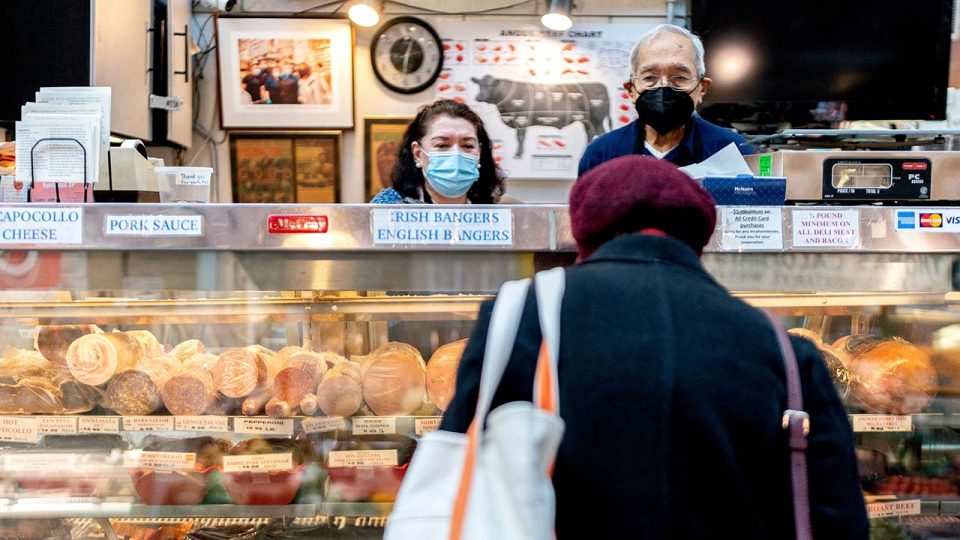
The mood among small businesses in the U.S. took a hit in September 2025, according to the latest data from the National Federation of Independent Business, which tracks the pulse of Main Street regularly. Their Small Business Optimism Index slipped by 2 points to 98.8, marking the first decline in three months. While the number remains just above the long-term average of 98, it signals a growing sense of caution among smaller firms amid a mix of economic challenges.
NFIB Chief Economist Bill Dunkelberg summed up the situation noting, “While most owners evaluate their own business as currently healthy, they are having to manage rising inflationary pressures, slower sales expectations, and ongoing labor market challenges.” This combination is proving to pressure small business owners who typically have less cushion than their larger counterparts.
The data shows inflation is back in focus. The percentage of owners raising their selling prices climbed by 3 points in September to a net 24%, while an even higher 31% say they plan to increase prices in the coming three months, up 5 points from August. In addition, 14% of owners cited inflation as their single biggest problem, up 3 points from the previous month. These rising costs add to the strain on businesses already dealing with supply chain disruptions, reported by 64% of respondents, which further complicate inventory management and increase costs.
This inflation backdrop aligns with broader inflation trends in the U.S. Consumer price data from recent months puts the annual inflation rate near 3.0%, with core inflation, which excludes food and energy prices, steady at about 3.1%. Though these rates are down from the peak levels earlier in the year, they still represent a significant cost pressure, especially on businesses that operate on tight margins.
Adding to the uncertainty is the ongoing government shutdown in Washington, which has delayed the release of official economic data, including the critical September employment report. This forces investors and policymakers to rely heavily on private surveys like the NFIB’s to gauge the economy’s health. The NFIB’s Uncertainty Index jumped 7 points in September to 100, the fourth-highest reading in more than five decades, reflecting how small businesses are navigating an environment clouded by policy uncertainties and an unsettled economic outlook.
Labor market dynamics remain a key concern, with 32% of small businesses reporting job openings they cannot fill, a rate unchanged from August but among the highest levels seen since before the pandemic in 2020. Despite these challenges, small businesses continue to show resilience. The percentage reporting higher profits increased to the highest point since December 2021, indicating a degree of adaptation to cost pressures and changing market conditions.
Federal Reserve Chair Jerome Powell recently highlighted the delicate balance the economy faces between sustaining growth, managing inflation, and maintaining a tight labor market. His remarks underscore the tough environment Main Street businesses find themselves in as they juggle these competing pressures.
Looking ahead, the rising inflation pressures and continued supply chain challenges could make the months to come particularly difficult for small businesses. How policy decisions evolve and address these headwinds will play a crucial role in shaping the outlook. The NFIB’s survey suggests that while optimism has waned, the core of small business operators remains determined to navigate through uncertainty, adjusting prices and hiring plans to keep pace with economic realities.
