
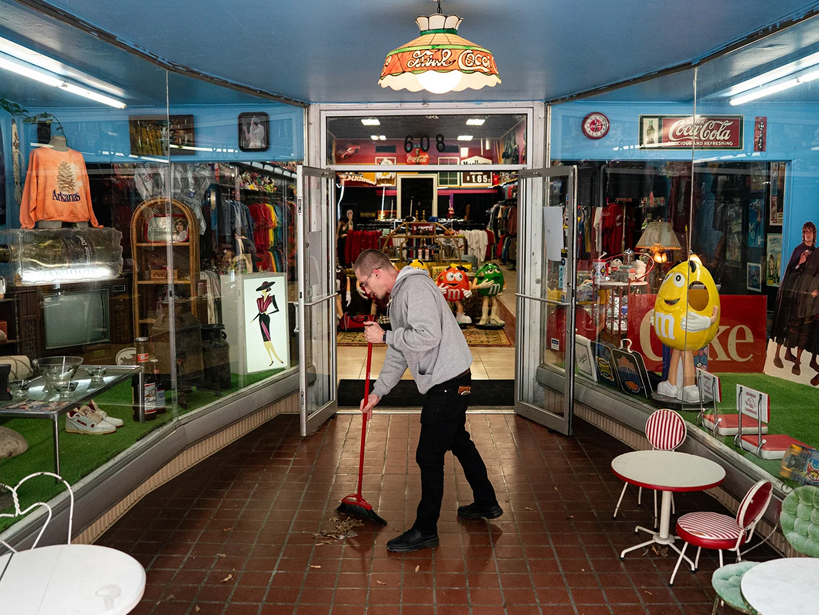
A recent update from the National Federation of Independent Business (NFIB) reveals an uptick in small business optimism this summer, but the overall story for entrepreneurs is not as clear-cut as the headline numbers suggest. Beneath the positive trend, owners across the country are grappling with deepening worries about workforce quality and an unpredictable economic environment, driven in part by ongoing shifts in tariffs and immigration policies.
The latest NFIB Small Business Optimism Index, a widely followed measure of business confidence, reached a higher reading that surprised some observers who expected inflation and regulatory pressure to weigh more heavily on sentiment. But listening to what owners are actually saying paints a more nuanced picture. Confidence may be up, but so is uncertainty.
Conversations with main street business owners reflect this mix of resilience and worry. Many cite strong demand and steady sales as reasons to feel positive but equally mention the daily struggle to find and retain reliable workers. Labor quality is now the single biggest concern for small enterprises, surpassing even cost worries or regulatory headaches. Compared to a few years ago, the talent war feels fiercer than ever, with owners often lamenting that applications have dropped and younger workers seem less eager to commit for the long haul. The skills gap is not just a buzzword, it is a genuine challenge taking up more of owners’ time and mental bandwidth.
Uncertainty over the direction of the broader economy is also climbing. The landscape for American entrepreneurship has always involved navigating cycles, but current unpredictability feels unique, largely because of turbulence in public policy. Tariffs, for instance, continue to make planning difficult for companies that rely on imported goods and materials. For a cafe ordering kitchen equipment, a hardware supplier filling shelves, or a local manufacturer trying to estimate costs, unexpected shifts in tariff rules can upend supply budgets quickly. The result is a higher level of caution, with more business owners putting off expansion plans or capital purchases, unwilling to bet big on a future that feels cloudier than usual.
Immigration is another flashpoint. Political debates over immigration regulations have not just been background noise, they are actively shaping the labor pool. For industries such as agriculture, construction, and hospitality, where immigrant labor has long filled gaps, the effect is being felt in very real terms. Some business owners have found themselves forced to scale back production or hours because filling open roles has gotten harder. This practical reality sometimes gets lost in political rhetoric, but on main street, the consequences are clear and immediate.
While the headlines from the latest NFIB report might suggest celebration, business leaders are taking a more measured approach. The optimism is real, but it is paired with a kind of pragmatic wariness, a sense that running a business in today’s environment means celebrating the wins but also bracing for surprises. The ground under small enterprises feels just a little less solid than it did pre-pandemic, and today’s entrepreneurs are adapting to both opportunity and ambiguity.
As summer rolls on, all eyes remain on how Washington and the global economy handle trade and workforce issues. For small business owners, every new regulation, tariff tweak, and border policy comes with potential ripple effects on hiring, prices, and long-range planning. Despite the obstacles, most owners are finding ways forward, but for many, optimism means keeping one hand on the steering wheel and another ready for the brakes.
