
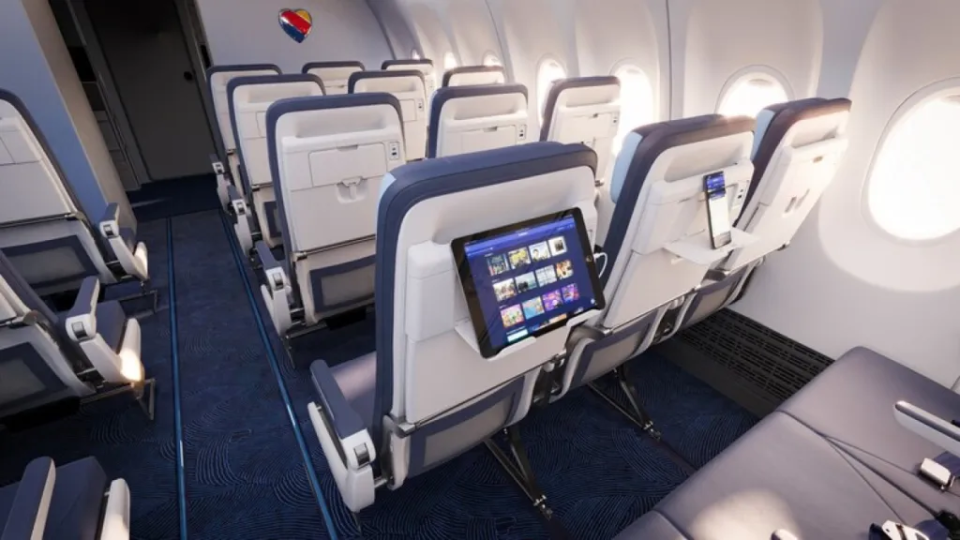
Southwest Airlines (NYSE: LUV) is making a notable change to its policy for plus-size passengers that will require those who cannot fit comfortably within a single seat to purchase a second seat in advance when booking, starting January 27, 2026. This marks a shift from its previous approach, which allowed larger travelers to request an additional seat at the airport or receive a refund afterward more flexibly. The move has sparked considerable debate among consumers and advocates while raising the possibility of regulatory attention.
The Dallas-based airline has long been recognized for its “Customer of Size” policy that permitted plus-size travelers to book two seats for the price of one or receive a complimentary additional seat when space was available. However, the new rules will end that practice. Passengers will now be expected to secure the extra seat during the initial booking process. Southwest will only offer refunds after the trip if certain conditions are met, including that both seats were bought in the same fare class, the refund claim is made within 90 days of travel, and the flight departed with at least one open seat available. This contrasts with the former policy, where refunds could be possible even on full flights, and extra seating could be granted at no charge depending on availability.
Under this new framework, if a passenger encroaches on a neighboring seat, they must proactively purchase the necessary seats ahead of time to ensure availability. The airline considers the seat armrests as clear boundaries for fitting within one space. Southwest will also reserve the right to require an additional seat for safety reasons during boarding or at its discretion.
These changes coincide with Southwest’s broader operational updates, notably its transition away from open seating to assigned seats, a significant departure from the carrier’s hallmark boarding strategy. In addition, the airline recently introduced fees for checked bags, ending its longstanding “Bags Fly Free” policy.
The shift has ignited a range of reactions. Some travelers and industry observers see the enforced advance purchase as a fairer, more transparent policy that ensures all customers have adequate space. Social media users have voiced support for the change, pointing out that passengers who need extra room should pay for the corresponding space to avoid discomfort or inconvenience for others on the flight.
However, advocates for plus-size passengers express concern that this new requirement may discourage or complicate air travel for many. The National Association to Advance Fat Acceptance lamented that Southwest had been a rare welcoming option for larger travelers but now appears to be reversing that stance. Travel influencers focused on plus-size issues have remarked on how the stricter refund rules could add anxiety to an already stressful experience, especially since customers cannot know if a flight is fully booked in advance to assess refund eligibility. One travel expert worried this might make flying by Southwest less appealing for plus-size flyers who fear being charged without the certainty of a refund.
The policy change reflects tensions airlines face in balancing passenger comfort, operational efficiency, and inclusivity. While Southwest’s policy is stricter than several peers, it follows a wider trend of requiring plus-size passengers to purchase extra seats for comfort and safety. United Airlines mandates the purchase of an additional seat when necessary, usually at the same fare. Spirit and Frontier Airlines also require customers who cannot lower both armrests to secure a second seat before flying. American Airlines encourages buying an extra seat in advance and although it does not guarantee adjacent seating, staff may assist at the airport. Delta Air Lines does not require advance purchase but may reassign seats or delay travel if space is an issue. Alaska Airlines offers some leeway by allowing refunds for unused extra seats if the flight isn’t full, a practice more aligned with Southwest’s former policy.
Southwest has communicated these updates clearly to customers who have previously used the extra seat option, advising them to purchase it at booking to avoid last-minute issues. The enforcement of assigned seating starting early next year offers a clear cutoff date for the new rules to take effect.
Southwest Airlines’ new policy for plus-size travelers signals a significant change in how extra seating is handled, making advance purchase mandatory and tightening refund possibilities. While aimed at ensuring adequate space for all passengers under a newly structured seating system, the policy introduces new challenges and questions around fairness and accessibility in air travel, especially for those who depend on these accommodations. How this unfolds will likely influence passenger choices and could invite further scrutiny from consumer rights and regulatory groups in the months ahead.
