
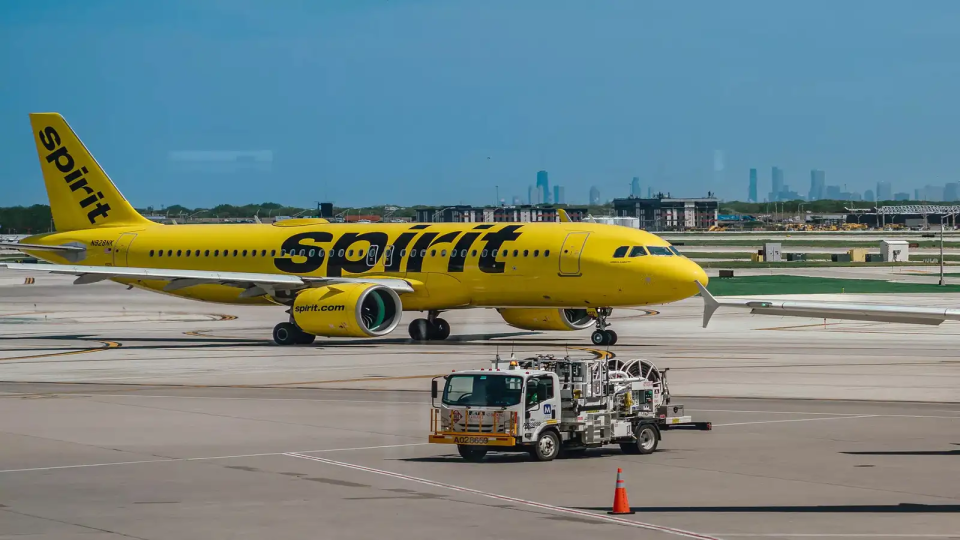
Spirit Airlines has found itself filing for bankruptcy protection for the second time in less than a year, marking another chapter in the Florida-based budget carrier’s ongoing fight against mounting debt and a challenging market environment. The airline, known for its no-frills approach and bright yellow planes, has been grappling with significant financial headwinds that have kept it from stabilizing its business despite a recent restructuring.
The carrier first filed for Chapter 11 bankruptcy protection in November 2024 after enduring years of losses, costly failed merger attempts, and a ballooning debt load that surpassed $2 billion. Spirit managed to emerge from that bankruptcy process in March 2025 after converting roughly $800 million of debt into equity, providing some relief. However, the airline was unable to secure more favorable terms on aircraft leases, which, coupled with continued financial pressures, forced the company back to court by the end of August.
Spirit’s financial difficulties stem from several factors that have weighed heavily on its operations. The airline’s aggressive expansion between 2020 and 2023, which saw capacity increases averaging 27% annually, led to an oversupply of seats in key markets. This surplus in supply contributed to lower ticket prices and squeezed margins in an already competitive industry. Moreover, Spirit took on over $2 billion in additional debt during this aggressive growth phase, significantly increasing its financial burden.
Compounding these issues, Spirit faces rising operational costs, including higher labor rates and maintenance expenses, partly due to problems with engine reliability on some of its leased Airbus aircraft. These costs have undermined its margins further. Attempts to pivot from a pure low-cost carrier into a premium tiered pricing model with offerings like “Spirit First” and “Premium Economy” have been hampered by the airline’s constrained financial position, limiting its ability to balance investment and cost control.
The domestic leisure travel market, the core of Spirit’s customer base, has also shown signs of weakness. Consumer spending pressures, influenced by ongoing economic uncertainties and tariff impacts, have kept demand subdued. In addition, business travel has not rebounded as robustly as expected, leading larger legacy airlines to push more inventory into the basic economy fare category, a segment that directly competes with Spirit’s traditional low-cost model. This increased competition has placed further strain on Spirit’s revenue.
This second Chapter 11 filing aims to give Spirit the opportunity to restructure again under bankruptcy protection. The airline has assured customers that it will continue normal operations during the process, including honoring bookings, tickets, loyalty points, and paying employees and contractors. Still, Spirit plans to make significant cuts to its fleet and overhaul its network to focus on key markets where demand is stable or growing. This network redesign will reduce presence in less profitable cities and shrink the fleet size, potentially leading to hundreds of millions of dollars in annual operational savings. The company has emphasized efforts to choose which leased aircraft are returned, seeking to minimize penalties and costly maintenance on some returning planes.
Spirit also reported a net loss of around $246 million recently and carries roughly $2.4 billion in long-term debt, much of which is due in 2030. At the end of its latest quarter, the airline noted it had negative free cash flow of about $1 billion. These figures underscore the urgent need for restructuring to avoid more severe financial consequences.
The airline’s leadership remains cautiously optimistic that more can be done to secure a sustainable future. CEO Dave Davis articulated that while the previous bankruptcy focused on debt reduction and capital raising, the ongoing challenges require additional steps with more tools available to reshape Spirit’s financial and operational foundation.
Spirit Airlines’ situation highlights the broader struggles faced by ultra-low-cost carriers in a market that has rebounded unevenly post-pandemic and become more competitive. Rising costs, competitive pressure from larger airlines penetrating the low-cost space, and shifting traveler behavior all present a difficult environment for the business model Spirit relies upon.
This second bankruptcy filing emphasizes the complexity and persistence of these challenges and the difficult balance between managing debt, controlling costs, and trying to innovate the product to attract passengers willing to pay for extra perks.
