
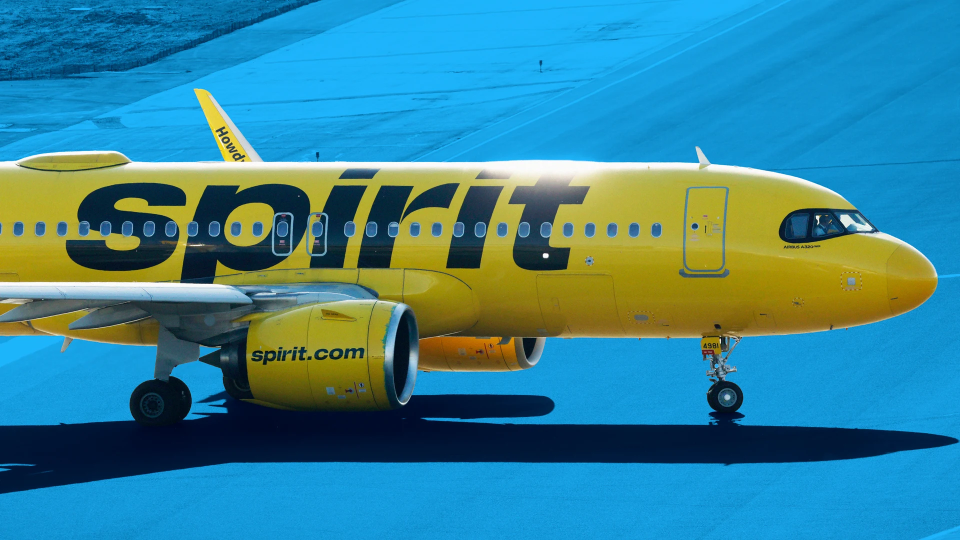
Spirit Airlines finds itself in a bind. The company recently announced it will bring back all the pilots it had furloughed earlier. Higher than expected turnover left the airline short staffed just as it tries to stabilize operations during bankruptcy. A company memo spelled out the issue: pilots left for rival airlines faster than planned, straining flight schedules.
This reversal highlights the tightrope budget airlines walk with labor. Spirit cut hundreds of pilots in 2024 and 2025 to match a smaller flight network. Those moves aimed to save millions by trimming payroll as demand cooled and routes shrank. Pilots, facing job uncertainty, took openings at larger carriers with better pay and steadier work. Attrition outpaced forecasts, leaving cockpits empty and forcing quick action. The airline sent recall notices to roughly 500 pilots furloughed between September 2024 and November 2025.
Bankruptcy adds layers to this story. Spirit filed for Chapter 11 protection in late August 2025, its second such move in under a year. The first came earlier that summer amid heavy debt from aircraft leases and expansion gone wrong. Chapter 11 allows restructuring debts while flights continue. Late last month, Spirit shared plans to shrink schedules more and exit bankruptcy by late spring or early summer this year. That timeline depends on smooth operations now. Recalled pilots will not make spring break or Easter rushes but should shore up summer flying.
Operational pressure builds fast in aviation. Federal rules cap pilot hours and mandate rest, so shortages trigger cancellations. Spirit furloughed about 270 pilots in mid 2025 alone, plus downgraded over 100 others. Total cuts hit deeper with plans for 365 more in early 2026, later softened by voluntary exits. Bigger airlines like United and Delta hired aggressively, luring talent with 15% to 20% higher salaries. Spirits memo noted attrition complicated matching staff to its reduced schedule. Recalls follow seniority, slotting veterans back first.finance.
Pilots are not alone in this flux. Spirit recalled 500 flight attendants last month from 1,800 furloughed in December 2025. Cabin crew shortages peaked at 60 daily cancellations. Those returns ease line strain but echo pilot woes: rapid shifts from overstaffed to understaffed. Unions pushed for recalls to protect active workers grinding through delays.
Budget carriers face unique hurdles. Spirit built a model on packed planes and quick turnarounds for rock bottom fares. Pre 2020 growth stacked up Airbus jets, but pandemic slumps, engine woes, and a blocked JetBlue merger piled on billions in losses. Rivals like Frontier merged ahead, gaining muscle. Spirit shed leases, sold 20 planes recently, and now flies just 94 aircraft on core routes. Savings hit $211 million from labor cuts, targeting profitability by 2027.
Labor markets stay hot. Pilots train for months, so recalls mean training ramps soon. Incentives like bonuses help, though bankruptcy limits spending. If gaps persist, delays could climb 20% this quarter. Customers see higher fares or waits first. Spirit bets on Caribbean and Latin America for 15% margins post exit.
Management adapts on the fly. Chief Operating Officer John Bendoraitis noted natural attrition gave flexibility. Fleet cuts align with staffing, but people factor trumps all. Furloughs backfire when talent flees uncertainty. Stability unlocks creditor deals and new financing. Flights must run on time to win back flyers.
Challenges linger. Fuel runs 10% over budget from oil swings. Maintenance delays idle planes. Still, pilot returns signal progress. Budget aviation teaches hard lessons: low fares demand flawless execution. Spirit navigates that now, balancing books and cockpits for a leaner future.
