
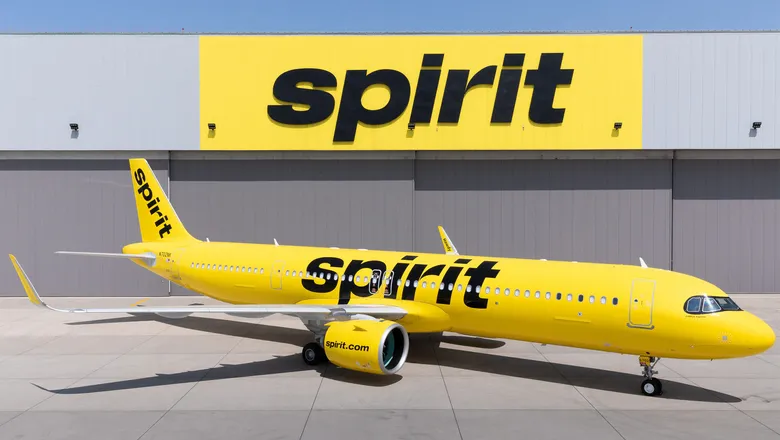
Spirit Airlines (NASDAQ: SPR) has gained significant court approval for funding aimed at sustaining its operations as it undergoes its second Chapter 11 bankruptcy in less than a year. The U.S. Bankruptcy Court for the Southern District of New York authorized up to $475 million in debtor-in-possession financing from the airline’s existing bondholders, with $200 million immediately available to help stabilize daily operations. This injection of capital comes alongside a $150 million cash payment from AerCap Ireland Ltd., Spirit’s largest aircraft lessor, in exchange for rejecting leases on 27 aircraft, a move intended to reduce the airline’s operating costs over time.
The new financing package and lease restructuring together provide Spirit with more than $600 million in liquidity, a critical resource as the budget carrier strives to rebuild amidst a challenging pricing environment for U.S. airlines. The agreement with AerCap also allows for the future delivery of 30 aircraft, supporting the airline’s ongoing fleet optimization strategy. These developments represent crucial milestones in Spirit’s effort to reshape its business after a turbulent year marked by high operating expenses and fluctuating travel demand.
Spirit’s bankruptcy filing in August 2025 came shortly after the airline emerged from its previous Chapter 11 restructuring in March of the same year. The prior restructuring included converting roughly $795 million of its debt into equity, but the airline’s financial trajectory remained uncertain. Persistently high costs, including lease expenses, and a drop in domestic leisure travel pushed Spirit back into bankruptcy protection. Unlike its earlier restructuring, the airline is now focusing on reducing its network size and fleet to cut costs, aiming for savings amounting to hundreds of millions annually.
CEO Dave Davis acknowledged the difficulties ahead but expressed cautious confidence in Spirit’s restructuring progress. “We have additional strategies to effectively position Spirit for the future,” he noted, emphasizing that the current court approvals have equipped the airline to continue delivering value to consumers while working through its financial challenges. Labor and operational issues are also under careful consideration as Spirit manages pilot furloughs and potential changes impacting flight crew amid the ongoing restructuring.
The stock market’s response to the developments was mixed, but Spirit’s shares saw some stabilization once the court approvals were publicized. While the fresh financing offers a lifeline, investors remain cautious about the airline’s ability to emerge stronger. The combination of added liquidity and lease cost reductions could ease Spirit’s financial strain but the airline faces a tough road ahead to regain profitability and investor trust.
Spirit’s situation reflects broader challenges across the U.S. budget carrier sector, where many airlines balance slim margins, rising costs, and shifting traveler patterns. The court-approved funding and lease restructuring underscore the importance of flexible capital solutions for airlines trying to adapt to an unpredictable market. Spirit’s experience highlights how even after emerging from bankruptcy, companies may still need to adapt more deeply to structural shifts in the industry. As Spirit navigates this second bankruptcy, the airline’s ability to sustain operations, adjust its fleet, and implement cost-saving measures will be key indicators to watch.
