
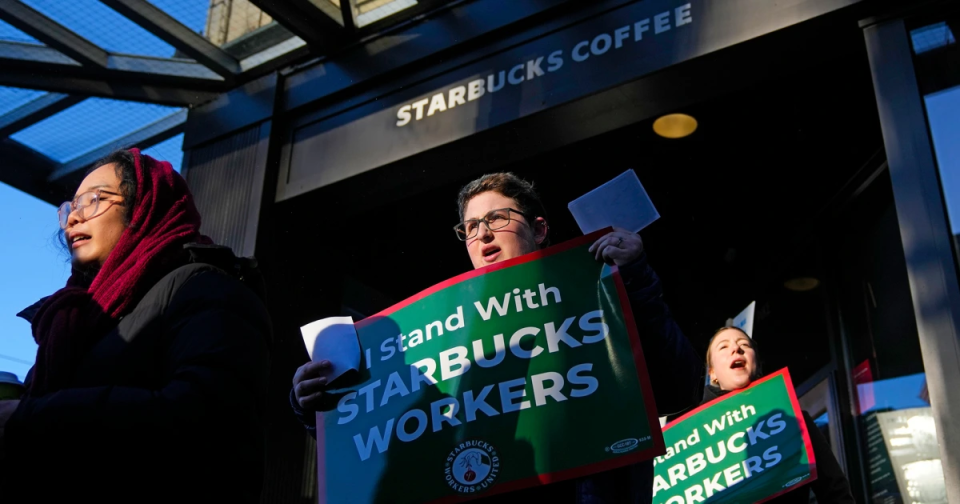
Starbucks Corporation (NASDAQ: SBUX) finds itself in the middle of a major labor dispute as its workers union escalates a strike right on Black Friday. The union, known as Starbucks Workers United, announced the expansion to over 120 stores across 85 cities, turning a busy shopping day into a test of the company’s operations. This move comes after months of frustration, with baristas walking out to highlight issues that affect their daily work.
The strike kicked off earlier in November on what Starbucks calls Red Cup Day, starting with 65 stores in more than 40 cities. By late November, it had grown to 95 locations in 65 cities, and now it reaches even further with no end date set. Workers voted overwhelmingly, with 92% in favor of the open-ended action, to pressure the company into addressing their core concerns. This marks the largest such effort in the company’s history, timed to hit during the holiday rush when stores see heavy traffic.
At the heart of the demands lie three main points: better hours to fix chronic understaffing, higher take-home pay so baristas can cover their bills, and resolution of hundreds of unfair labor practice charges. The union points out that starting pay hovers around $15.25 per hour in most states, which they say falls short given rising costs and demanding shifts. They rejected Starbucks’ April offer of at least 2% annual raises, viewing it as too modest amid stalled talks that began over 18 months ago. Starbucks Workers United represents over 11,000 baristas at about 550 locations, and they insist the company has dragged its feet on meaningful proposals.
Starbucks has pushed back, stating that 99% of its more than 17,000 U.S. coffeehouses stay open despite the action. Company representatives say they are ready to bargain once the union returns to the table, but they frame the walkouts as not advancing real progress. Earlier mediation in February failed to bridge the gap, and both sides blame each other for the deadlock. Starbucks highlights its overall pay package, claiming it reaches about $30 per hour when including benefits for those working 20 or more hours weekly, though the union disputes this as misleading for part-time staff.
For customers, the strike raises real questions about grabbing that quick coffee, especially on Black Friday and into the holidays. While most stores operate normally, the targeted locations could face delays, closures, or picket lines urging people to skip them under the “No Contract, No Coffee” call. Yes, it might make it harder to get your latte during peak times, as baristas aim to disrupt the busiest season and force negotiations. With the action spreading, holiday shoppers in affected cities may need to plan around it or choose alternatives.
